A cavity rarely begins with a dramatic toothache. It often starts quietly, when plaque stays on a tooth long enough for its bacteria to produce acid and weaken the enamel. Knowing how to prevent cavities is less about chasing a perfect routine and more about repeating a few effective habits consistently – even during packed workdays, school schedules, travel, and family life.
Cavities are common, but they are not inevitable. With daily plaque control, fluoride protection, thoughtful eating habits, and regular professional care, you can greatly lower your risk while protecting your natural smile.
How to prevent cavities with a daily routine
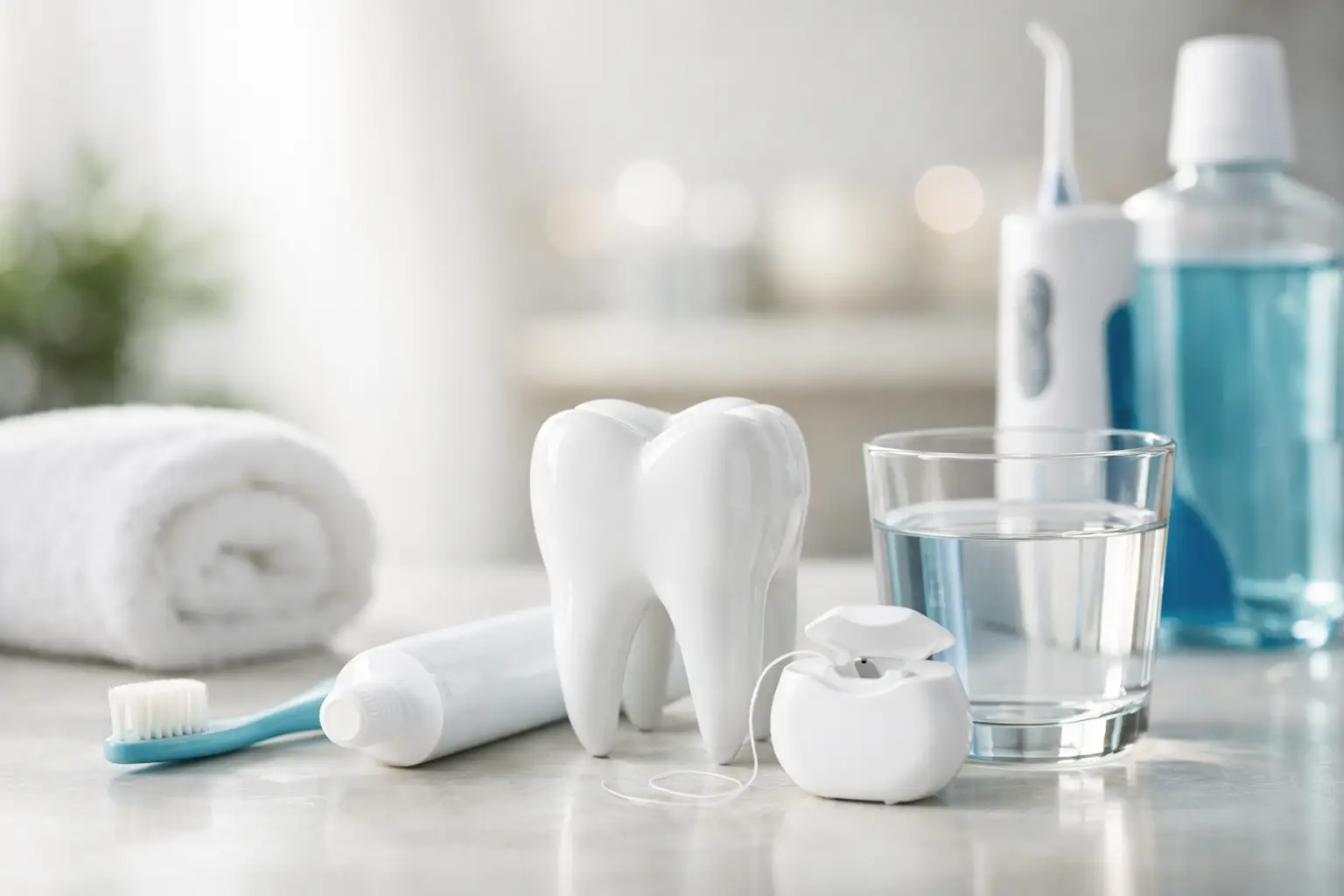
The most valuable cavity-prevention habits happen at home. Brushing and flossing work together because they clean different parts of the tooth. A toothbrush cleans the front, back, and chewing surfaces, while floss or another between-teeth cleaner reaches the areas where neighboring teeth touch.
Brush twice daily for two minutes using a soft-bristled toothbrush and fluoride toothpaste. Fluoride helps strengthen enamel and can support the repair of very early acid damage before it becomes a true cavity. Use a gentle angle toward the gumline and small, controlled movements. Brushing harder does not clean better, and aggressive brushing can irritate gums or wear tooth structure over time.
At night, brushing is especially important. Saliva flow naturally drops during sleep, so the mouth has less ability to rinse away food particles and neutralize acids. A thorough nighttime brushing removes the day’s buildup before it can sit on your teeth for hours.
Clean between your teeth once a day. Traditional floss is an excellent option, but floss picks, water flossers, and interdental brushes can help if they make you more likely to stay consistent. The best tool is the one you can use correctly every day. If you have bridges, implants, braces, or wider spaces between teeth, your dental team may recommend a specific option.
After brushing, spit out excess toothpaste rather than rinsing thoroughly with water. This leaves a light layer of fluoride on the teeth. If you use mouthwash, choose an alcohol-free fluoride rinse when appropriate and use it at a separate time from brushing so you do not wash away toothpaste fluoride immediately.
Sugar frequency matters as much as sugar amount
People often assume cavities come only from candy. In reality, cavity-causing bacteria can feed on sugars and fermentable carbohydrates from many foods and drinks, including sweetened coffee, soda, sports drinks, crackers, pastries, dried fruit, and frequent snacking.
What matters most is how often teeth are exposed to sugar and acid. Sipping a sweetened beverage over several hours repeatedly bathes the teeth in sugar and acid, giving enamel little time to recover. Having a dessert with a meal is generally kinder to teeth than grazing on sweets throughout the day.
Water is the best everyday drink for your teeth. It helps rinse the mouth and, in many communities, may provide fluoride. If you enjoy coffee, tea, juice, or sparkling beverages, try to have them in a shorter window rather than sipping continuously. Follow acidic drinks with water. Wait about 30 minutes before brushing after an especially acidic drink or meal, since enamel can be temporarily softened by acid.
You do not need to avoid every enjoyable food to protect your smile. Instead, aim for a realistic pattern: balanced meals, fewer between-meal sugary drinks, and snacks that are less likely to stick to teeth. Cheese, plain yogurt, nuts, vegetables, and whole foods are often easier on teeth than sticky or highly processed snacks. It depends on your overall diet, medical needs, and preferences, so sustainable choices are better than overly strict rules that are hard to maintain.
Fluoride is a practical layer of protection
Fluoride is one of the most reliable tools for reducing cavity risk. It strengthens enamel and helps teeth resist the acid attacks that happen after eating and drinking. For most adults and children, a fluoride toothpaste used twice a day provides meaningful protection.
Some patients need more support. You may have a higher cavity risk if you have dry mouth, exposed roots from gum recession, frequent snacking, a history of cavities, orthodontic appliances, certain medications, or reduced hand dexterity that makes brushing difficult. In these cases, a dentist may recommend professional fluoride treatments, prescription-strength toothpaste, or other preventive measures.
Dry mouth deserves special attention. Saliva is not just moisture – it helps wash away debris, balance acids, and deliver minerals that support enamel. Medications, medical treatments, dehydration, mouth breathing, and some health conditions can reduce saliva flow. If your mouth often feels dry, wakes you at night, or makes eating uncomfortable, mention it at your appointment. Treating dry mouth can be an important part of preventing new cavities.
Regular dental visits catch trouble early
Even an excellent home routine cannot always remove hardened tartar or reveal a cavity developing between teeth. Routine exams and cleanings give your dental team a chance to identify small changes before they become pain, infection, or more extensive treatment.
Digital X-rays can reveal areas a visual exam cannot fully see, particularly between teeth and below existing fillings. Early decay may sometimes be managed with fluoride, improved home care, or other conservative treatment. Once decay creates a hole in the enamel, a filling is usually needed. Finding the problem early often means a smaller, simpler restoration and a more comfortable experience.
The right visit schedule is personal. Many patients benefit from checkups and cleanings every six months, while others may need more frequent care because of gum disease, dry mouth, a higher cavity history, or restorative needs. A personalized preventive plan is more useful than a one-size-fits-all schedule.
For patients who feel anxious about dental care, delaying visits can allow small concerns to become urgent ones. Gentle, comfort-focused dentistry can make preventive appointments feel more manageable. Let the team know what has made dental visits difficult in the past, whether that is sensitivity, fear of injections, a strong gag reflex, or simply uncertainty about what will happen. Clear communication allows care to be paced around your comfort.
Do not ignore early warning signs
Cavities do not always hurt at first, but sensitivity can be a signal that deserves attention. Schedule an evaluation if you notice a rough spot, food repeatedly catching in one area, a visible dark mark, new sensitivity to cold or sweets, pain when biting, or a toothache that lingers.
These symptoms do not automatically mean you have a cavity. Sensitivity can also come from gum recession, a cracked tooth, enamel wear, or clenching and grinding. The key is not to self-diagnose or wait for pain to become severe. A prompt exam can identify the cause and help protect more of the natural tooth.
Prevention changes with every stage of life
Families often need different strategies under the same roof. Young children need help brushing until they have the coordination to do it well independently. Teens with braces may need extra attention around brackets and wires. Busy professionals may need a simple travel kit at work or in a gym bag. Older adults may benefit from additional fluoride protection if medications or gum recession increase risk.
For parents, avoid sharing saliva through utensils or by cleaning a pacifier with your mouth, since cavity-causing bacteria can be passed from caregiver to child. Encourage water between meals and make brushing part of the bedtime routine rather than a last-minute negotiation.
At Yonge and Bloor Dental Care, preventive visits are designed to be clear, personalized, and comfortable. Whether you need a routine cleaning, help with recurring cavities, or a plan that fits a sensitive mouth and a busy schedule, the goal is to make ongoing care feel approachable.
A healthy smile is built in small moments: the two minutes you brush before bed, the water you choose after lunch, and the appointment you keep before a minor concern turns into a painful one. Start with the habit that feels easiest to improve this week, then let consistency do the protective work.