Coverage depends on the plan and the type of treatment provided. Some services may be partially covered by insurance, and CDCP coverage varies by eligibility and clinical necessity.

Jaw discomfort can show up in different ways — clicking or popping sounds, tightness when you open and close your mouth, headaches that feel like tension, or pain that spreads into the face, neck, or ears. These symptoms are often connected to TMD (Temporomandibular Disorder), a condition affecting the jaw joints and the muscles that control jaw movement.
We are a CDCP-approved and insurance-friendly clinic, offering direct billing whenever applicable. Conveniently located in downtown Toronto, our dental team focuses on conservative care that supports comfort now while helping prevent future flare-ups. We take time to explain what may be causing your symptoms and guide you through treatment options.


TMD refers to a group of conditions affecting the temporomandibular joints (TMJ) — the joints connecting the lower jaw to the skull — as well as the surrounding muscles and bite mechanics. When these joints or muscles are overworked or misaligned, the jaw may not move smoothly, leading to pain, clicking, stiffness, or limited opening.
TMD can be related to several factors, including teeth grinding and clenching (bruxism), stress-related muscle tension, bite imbalance, trauma, arthritis changes in the joint, or postural habits that strain the jaw and neck. Some patients experience occasional symptoms, while others have persistent discomfort that affects sleep, eating, and daily concentration. At Yonge and Bloor Dental Care, our approach focuses on identifying contributing causes and choosing treatment options that reduce strain on the jaw system.
Effective TMD care is not only about short-term pain relief — it is also about improving jaw mechanics and reducing ongoing strain.
Here are four key benefits of TMD treatment near Yonge and Bloor:
TMD treatment helps relax overworked jaw muscles and reduce stress on the joint. Many patients notice less morning soreness and improved comfort when chewing or speaking.
Jaw muscle strain can contribute to recurring headaches and facial pain. Treating the underlying cause may reduce tension-related symptoms and improve daily comfort.
Managing clenching and bite stress helps prevent tooth wear, cracks, gum irritation, and long-term joint changes. Early care can reduce the risk of worsening symptoms over time.
When jaw movement becomes smoother, symptoms like clicking, stiffness, and limited opening may improve. This can make everyday actions like eating and yawning feel more comfortable.
At Yonge and Bloor Dental Care, we follow a structured six-step approach to ensure your symptoms are properly evaluated and treated in a conservative, measurable way.
We discuss when symptoms started, what triggers discomfort, and how it affects daily life. This includes pain patterns, headaches, jaw sounds, sleep habits, and grinding/clenching history.
Your dentist evaluates jaw movement, joint function, muscle tenderness, and bite alignment. We check for signs of grinding such as tooth wear, fractures, or sensitivity.
Digital imaging may be used to assess joint position, teeth, and surrounding structures. This helps rule out other causes and supports accurate diagnosis.

Based on findings, we create a plan tailored to your symptoms and contributing factors. Treatment often begins conservatively to reduce strain and calm inflammation.
Care may include a custom night guard, bite therapy, muscle support strategies, and guidance on habits that trigger flare-ups. Your symptoms are monitored and the plan is refined as needed.
Once symptoms improve, we focus on maintaining stability through ongoing checkups, appliance maintenance, and preventive strategies to reduce recurrence.

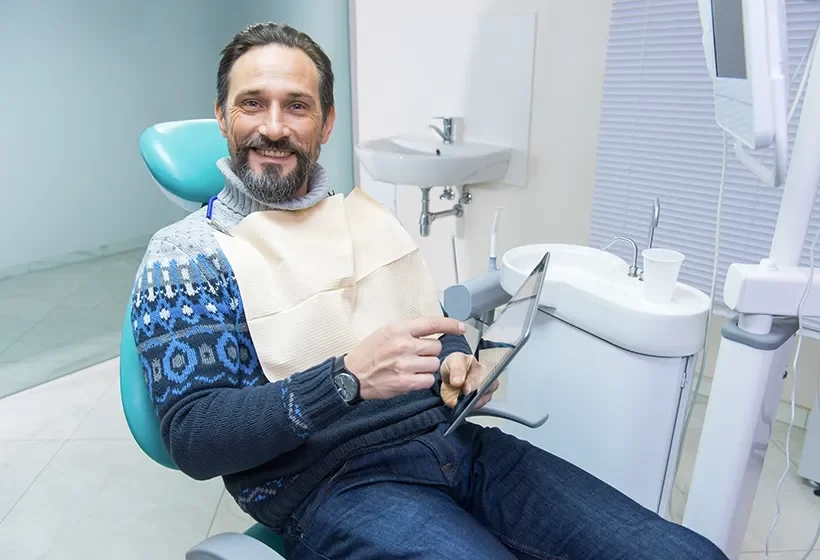
Patients who may benefit from TMD treatment near Yonge and Bloor include:
Ongoing clicking, popping, or jaw locking can indicate joint or muscle dysfunction. Treatment may help restore smoother jaw movement and reduce discomfort.
Tension headaches, temple pain, or facial soreness can be linked to jaw muscle strain, especially in patients who clench or grind their teeth.
Bruxism places heavy pressure on the jaw joint and muscles, often leading to morning pain, tooth wear, or sensitivity. Night guards and bite support can help reduce strain.
If opening your mouth feels tight or painful, or if chewing causes fatigue or soreness, TMD evaluation can help identify what is contributing to the restriction.
At Yonge and Bloor Dental Care, treatment is selected based on your diagnosis, symptoms, and contributing factors.

Custom night guards reduce grinding and clenching forces, protect teeth from wear, and ease pressure on the TMJ. They are designed for comfort and a precise fit to support the jaw in a healthier position during sleep.

Many TMD cases benefit from muscle relaxation techniques, jaw exercises, stress-reduction guidance, and habit changes (such as reducing nail biting or daytime clenching). These supports can improve comfort and reduce flare-ups.

For patients with uneven bite forces, treatment may include bite adjustments or occlusal therapy to reduce stress on the jaw muscles. The goal is to improve balance and reduce strain during chewing and clenching.
The cost of TMD treatment near Yonge and Bloor depends on the recommended approach, such as whether a custom night guard is needed, and the complexity of management over time. Some components of TMD treatment may be partially covered by private insurance, while CDCP coverage varies depending on eligibility and clinical necessity.
At Yonge and Bloor Dental Care, we provide clear treatment estimates, review coverage details in advance, and offer direct insurance billing whenever possible. We also explain which parts of care are typically considered preventive or therapeutic, so you can plan confidently.
At Yonge and Bloor Dental Care, Dr. Hamed Dadjou, Dr. Eric Yunsu Jang have extensive experience assessing jaw function, bite alignment, and symptoms related to TMD and bruxism. They take a patient-focused approach, combining careful evaluation with conservative, evidence-based care aimed at long-term comfort and stability. Throughout treatment, patients receive clear explanations, personalized guidance, and follow-up support to ensure improvements are maintained and symptoms stay under control.
At Yonge and Bloor Dental Care, we combine advanced technology with a caring, personalized approach to deliver exceptional dental care. As a CDCP-approved and insurance-friendly clinic, we make quality treatment accessible and stress-free for every patient. Our goal is to help you achieve a healthy, confident smile in the heart of downtown Toronto.
We’re a proud participant in the Canadian Dental Care Plan and accept most major insurance plans. Our team offers direct billing and clear guidance to ensure a smooth and stress-free visit.
Our experienced dentists combine clinical expertise with a gentle, patient-focused approach. Every treatment is personalized to your dental goals for comfort, safety, and long-lasting results.
We use modern equipment and evidence-based methods to ensure precise, effective, and comfortable care across all procedures.
Located at Yonge and Bloor, our clinic is convenient for downtown Toronto residents, students, and professionals, with flexible hours to fit your schedule.
TMJ refers to the jaw joint itself, while TMD refers to disorders affecting the jaw joint, muscles, and surrounding structures. TMD is the condition; TMJ is the anatomical joint involved.
Yes. Jaw muscle tension and joint strain can contribute to headaches, temple pain, ear pressure, and even ringing for some patients. A proper assessment helps determine whether TMD may be a contributing factor.
Most TMD cases are treated conservatively without surgery. Night guards, bite support, and muscle management strategies often provide effective relief.
Some patients notice improvement within a few weeks, especially when night guards reduce clenching forces. Timelines vary depending on symptom severity and contributing habits.
Coverage depends on the plan and the type of treatment provided. Some services may be partially covered by insurance, and CDCP coverage varies by eligibility and clinical necessity.
If you’re experiencing jaw pain, headaches, clicking, or facial tension, professional evaluation can help identify what’s contributing to your symptoms. Choose TMD treatment near Yonge and Bloor at Yonge and Bloor Dental Care for conservative, patient-focused care designed to improve comfort and protect long-term oral health.
Call us today or book online to schedule your consultation and take the first step toward a healthier, more comfortable jaw.