
A severe toothache can make every option sound overwhelming. When a dentist recommends treatment for a deeply damaged or infected tooth, the question often comes down to root canal versus extraction: Can the natural tooth be saved, or is removing it the healthier choice?
There is no one-size-fits-all answer. The right decision depends on the condition of the tooth, the surrounding bone and gums, your bite, your health history, and what will best protect your oral health over time. A clear examination, digital imaging, and an honest conversation about your priorities can turn a stressful decision into a manageable plan.
Root Canal Versus Extraction: The Core Difference
A root canal treats the inside of a tooth when the pulp, the soft tissue containing nerves and blood vessels, is inflamed or infected. During treatment, the dentist removes the damaged tissue, cleans and disinfects the canals within the roots, and seals the space. The tooth is then restored, often with a filling or crown, so it can continue functioning.
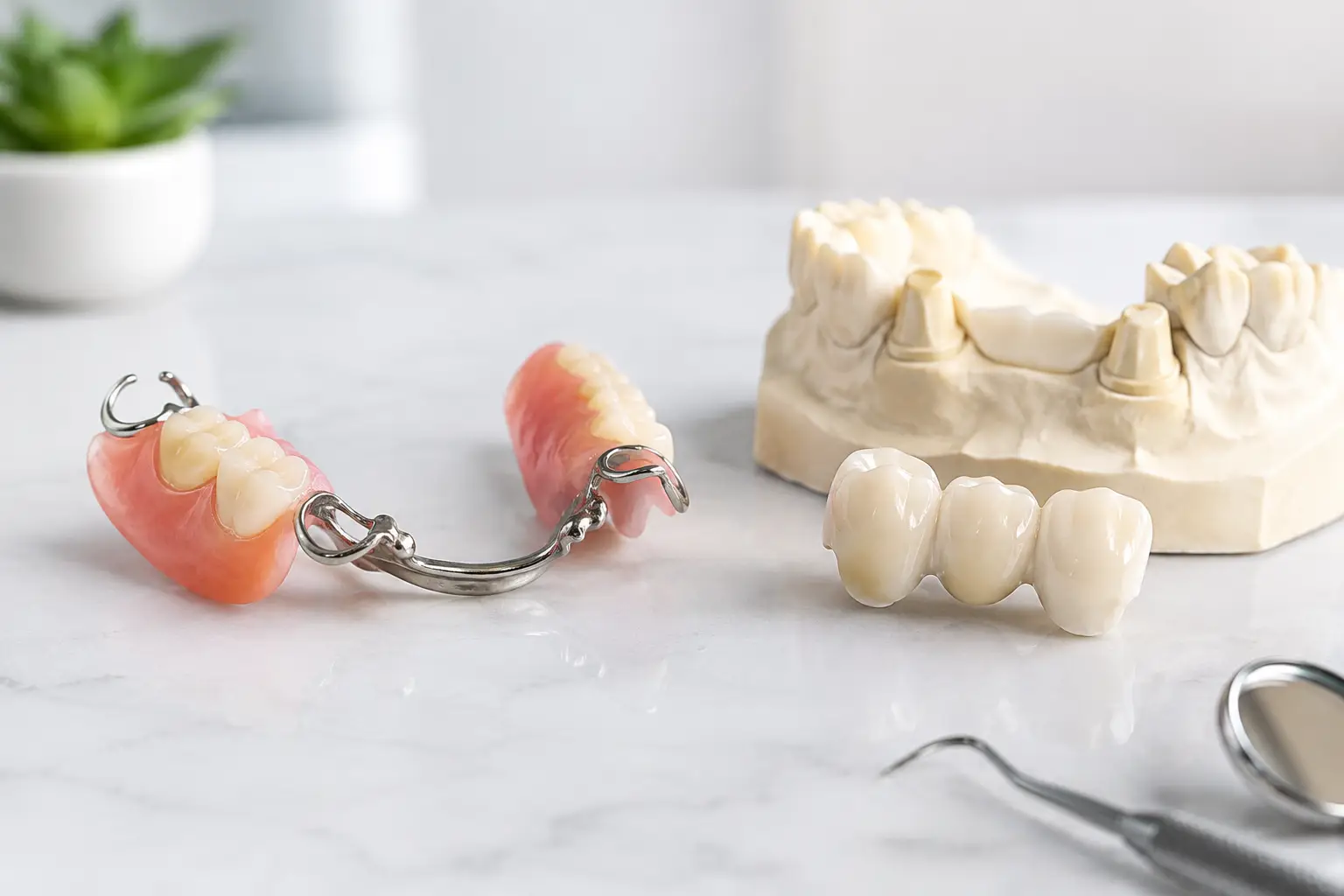
An extraction removes the entire tooth from the mouth. This may be necessary when a tooth cannot be predictably restored, is severely fractured, has advanced gum disease, or poses an ongoing risk to nearby teeth and bone. If the tooth is removed, your dentist may discuss replacing it with an implant, bridge, or removable option, depending on its location and your needs.
Both treatments can relieve pain and address infection. The key distinction is that a root canal aims to preserve your natural tooth, while an extraction removes the source of the problem but may create a need for tooth replacement.
When Saving the Tooth Is Often the Better Choice
Whenever a tooth has a good long-term prognosis, preserving it is generally preferred. Your natural teeth are designed for your bite, help maintain jawbone stimulation, and support the alignment of neighboring teeth. Even one missing tooth can allow nearby teeth to shift gradually, which may affect chewing, cleaning, and the way your bite comes together.
A root canal may be a strong option when the infection is limited to the pulp or around the root tip, the roots are stable, and there is enough healthy tooth structure left to support a restoration. A tooth that needs a root canal often has deep decay, a large old filling, a crack, or trauma. These problems can be serious, but they do not automatically mean the tooth is beyond saving.
Many patients worry that root canal treatment will be painful. In reality, modern local anesthesia and comfort-focused techniques are intended to make treatment feel much like receiving a filling. The pain people associate with a root canal is more often caused by the infection before treatment. For patients with dental anxiety, discussing sedation and comfort options before the appointment can make a meaningful difference.
After a root canal, a back tooth often needs a crown because molars and premolars absorb heavy chewing forces. Front teeth may sometimes be restored with a filling, depending on how much structure remains. The final restoration is not an afterthought. It is an essential part of protecting the treated tooth from fracture and helping it last.
When Extraction May Be the Healthier Decision
There are cases where extracting a tooth is the most responsible recommendation. Saving a tooth is valuable, but only when it can be restored and maintained predictably. Repeatedly treating a tooth with a poor outlook can lead to more discomfort, expense, and time away from work or school.
Extraction may be recommended if a tooth has a vertical root fracture, extensive decay below the gumline, severe bone loss from periodontal disease, or damage that leaves too little structure for a dependable crown. It may also be appropriate when a previous root canal has failed and retreatment or root-end surgery is unlikely to provide a lasting result.
In some situations, a wisdom tooth is removed rather than treated with a root canal because of its position, limited function, or difficulty cleaning and restoring it. A tooth that is severely loose from gum disease may also have a poor prognosis even if the infection itself can be treated.
Removing a tooth ends the problem associated with that tooth, but it also begins a new planning conversation. Without replacement, the jawbone in that area can shrink over time because it no longer receives stimulation from the tooth root. The effect varies from person to person and by tooth location, but it is one reason a replacement plan should be discussed before or soon after extraction.
Cost, Time, and the Full Treatment Picture
It is understandable to compare the immediate cost of a root canal with an extraction. An extraction is often less expensive at the first appointment. However, the complete cost of extracting and replacing a tooth can be higher than saving it, particularly when an implant and crown are the best long-term replacement.
A root canal usually involves the treatment itself plus the final restoration. An extraction may involve the removal, a bone graft to preserve the site, healing time, and a replacement such as an implant, bridge, or denture. Insurance coverage, annual maximums, and the complexity of the procedure can all affect the financial picture.
Time matters, too. Some root canals can be completed in one visit, while more complex cases may require additional appointments. Extraction can be performed in a single visit, but an implant process commonly requires healing time before the final crown is placed. A bridge may be completed more quickly, although it usually involves preparing the teeth beside the space.
The best value is not always the option with the lowest first-day cost. It is the option that offers a sound clinical outcome while fitting your health, budget, comfort, and goals.
How Dentists Decide Between a Root Canal and Extraction
A careful diagnosis should come before any recommendation. Your dentist will assess your symptoms, examine the tooth and gums, take digital X-rays, and evaluate whether the tooth can support a lasting restoration. They may also test the tooth’s response to temperature or pressure and check for cracks that are not obvious on an X-ray.
The decision becomes more individualized when several factors overlap. For example, a tooth with an infection may be saveable, but its long-term outlook changes if there is also a deep crack or significant gum disease. A patient who grinds their teeth may need a night guard to protect a restored tooth. Someone missing several teeth may benefit from a broader plan that considers the entire bite rather than treating each tooth in isolation.
At Yonge and Bloor Dental Care, treatment planning is centered on clear explanations and practical choices. You should understand what the dentist sees, why a particular option is recommended, what may happen if treatment is delayed, and what future care may be needed.
Questions Worth Asking at Your Visit
If you are deciding between treatment options, ask whether the tooth has a good long-term prognosis and what restoration it will need afterward. Ask what the likely outcome is if you choose extraction, including whether replacement is recommended and when it should happen.
It is also reasonable to ask about comfort measures, expected healing, the number of visits, and the estimated out-of-pocket cost for each complete pathway. If you have a history of anxiety, difficulty getting numb, or a previous challenging dental experience, share that early. Your care team can plan accordingly rather than trying to solve those concerns after treatment has started.
Do Not Wait for Infection to Worsen
Pain is not the only sign of a dental infection. Swelling, tenderness when biting, a pimple-like bump on the gums, facial swelling, a bad taste, or a tooth that has darkened can all deserve prompt attention. Some infected teeth become less painful when the nerve tissue dies, but the infection can still remain active around the root.
If you develop facial swelling, fever, trouble swallowing, or difficulty breathing, seek urgent medical or dental care immediately. These symptoms can signal a spreading infection that should not wait for a routine appointment.
A damaged tooth rarely becomes easier to treat with time. Whether the answer is a root canal or an extraction, timely, gentle care can relieve discomfort and give you the best chance of protecting your smile, your function, and your peace of mind.