
Bleeding when you brush is easy to dismiss, especially during a busy week downtown. But if you have searched for periodontal treatment Toronto, persistent bleeding, swollen gums, or bad breath that does not go away deserve more than a new toothbrush. These can be early signals of gum disease, and timely care can help protect the tissues and bone that support your teeth.
Periodontal care is not only for people with advanced dental problems. It is a personalized approach to diagnosing, treating, and managing gum inflammation before it becomes more difficult to control. At Yonge and Bloor Dental Care, the focus is on clear answers, gentle treatment, and a plan that fits your health needs and schedule.
What periodontal treatment addresses
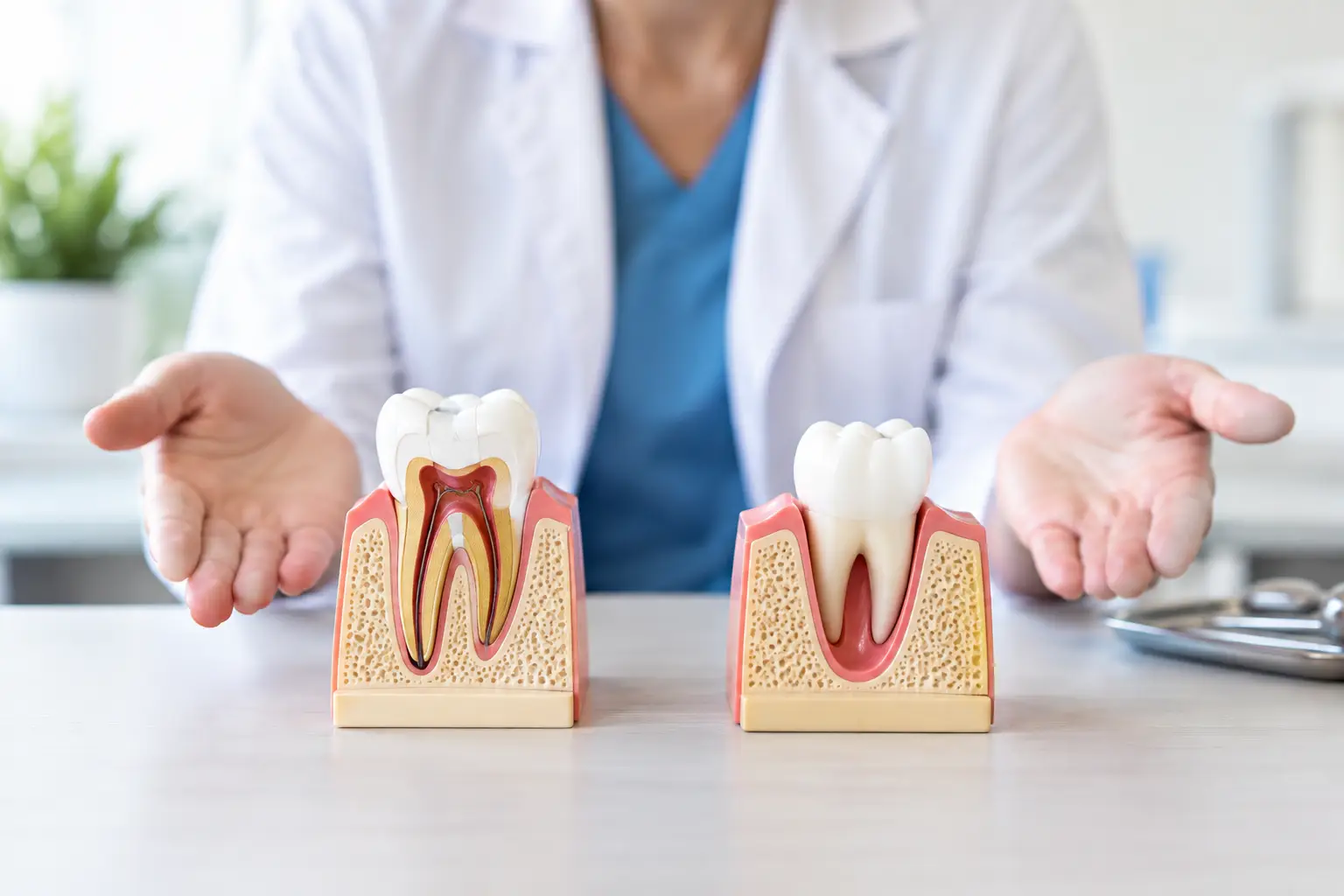
Periodontal disease affects the gums, ligaments, and bone around the teeth. It usually begins when plaque builds up at and below the gumline. Plaque is a sticky film of bacteria. When it is not fully removed, it can harden into tartar, which cannot be removed with brushing or flossing alone.
The earliest stage, gingivitis, often causes redness, puffiness, and bleeding. At this point, the inflammation may be reversible with professional cleaning and consistent home care. Periodontitis is more advanced. The gums can pull away from the teeth, creating deeper spaces called pockets where bacteria collect. Over time, this can lead to bone loss, loose teeth, gum recession, and eventually tooth loss.
Gum disease can progress quietly. Many people do not feel pain until it has become more advanced, which is why routine exams and cleanings matter even when your mouth feels fine.
Signs you may need periodontal treatment in Toronto
Bleeding gums are common, but they are not something to ignore. A thorough dental assessment is particularly worthwhile if bleeding happens regularly, your gums feel tender, or you notice blood in the sink after brushing or flossing.
Other signs can include persistent bad breath, a bad taste in the mouth, gums that appear to be receding, new spaces between teeth, or teeth that feel different when you bite. Changes in how a partial denture fits can also point to changes in the supporting gum and bone structures.
Not every symptom means you have periodontitis. For example, aggressive brushing, a poorly fitting restoration, pregnancy-related hormone changes, or certain medications can contribute to gum irritation. The right next step is an examination rather than self-diagnosis. A dental team can measure the gum pockets around each tooth, check for bleeding and recession, evaluate tooth mobility, and use digital X-rays when needed to assess bone levels.
Why gum disease can develop
Plaque is the direct cause of gum disease, but several factors can make it more likely or make it progress faster. Smoking and vaping, diabetes that is not well controlled, dry mouth, family history, stress, certain medications, and inconsistent dental visits can all play a role. Crowded teeth, older fillings with rough edges, and dental restorations that are difficult to clean may also create areas where plaque collects more easily.
This is not about blame. Some patients are highly consistent with brushing and still need additional periodontal support because of genetics, health conditions, or hard-to-reach areas. A personalized treatment plan should take those realities into account instead of offering a one-size-fits-all answer.
What periodontal treatment may involve
Your care begins with understanding the condition of your gums and what is driving the inflammation. If the issue is mild gingivitis, a professional cleaning, home-care guidance, and regular preventive visits may be enough to restore gum health.
When deeper pockets and tartar beneath the gumline are present, a deeper cleaning may be recommended. This treatment, often called scaling and root planing, removes plaque and tartar from below the gums and smooths the root surfaces. Smoother roots make it harder for bacteria to attach and give the gums a better opportunity to heal.
Depending on the extent of the condition, treatment can be completed in one or more visits. Local anesthetic may be used to keep the experience comfortable, especially when the gums are sensitive or the cleaning needs to reach deeper areas. Patients with dental anxiety should feel comfortable discussing it before treatment. A calm pace, clear communication, and comfort-focused options can make a meaningful difference.
For more advanced periodontal disease, ongoing periodontal maintenance is usually essential after active treatment. These visits are not exactly the same as a routine cleaning. They are scheduled based on your gum condition and focus on keeping bacteria under control in areas that remain more vulnerable to buildup. Some cases may also require more advanced periodontal procedures or coordinated care with a specialist. The best option depends on pocket depth, bone loss, tooth stability, overall health, and your goals for your smile.
What to expect after a deep gum cleaning
It is normal for gums to feel tender for a short time after scaling and root planing. You may notice temporary sensitivity to cold, particularly if gum recession has exposed part of the tooth root. Gentle brushing, daily cleaning between the teeth, and any specific recommendations from your dental team can support healing.
Many patients see less bleeding and swelling as inflammation improves. However, periodontal disease is generally managed over time rather than treated once and forgotten. Follow-up visits allow your dentist to measure healing, reassess pocket depths, and adjust your maintenance schedule when needed.
This long-term approach is a strength, not a setback. Periodontal care helps preserve your natural teeth, protect the foundation for future restorative work, and support a healthier mouth over the years.
Home care matters, but it cannot replace professional care
Daily brushing twice a day with a soft-bristled toothbrush and fluoride toothpaste is the baseline. Cleaning between your teeth once a day is equally important because a toothbrush does not effectively reach those contact areas. Floss, interdental brushes, or a water flosser may be appropriate depending on the spacing of your teeth, dental work, and comfort level.
Technique matters as much as effort. Brushing too hard can irritate the gums and contribute to recession, while rushing can leave plaque along the gumline. Your dental team can show you a method that is effective without being harsh. If you have implants, bridges, crowns, or orthodontic appliances, ask which tools will help you keep those areas clean.
Stopping smoking or vaping, managing blood sugar when you have diabetes, staying hydrated, and keeping regular dental appointments can also support periodontal health. Small habits become especially valuable after gum treatment because they help protect the results.
Cost, insurance, and timing of care
The cost of periodontal treatment varies because no two cases are identical. A focused cleaning for early gum inflammation is different from treatment involving several deeper areas, multiple appointments, or ongoing periodontal maintenance. A proper assessment should come before a precise estimate.
For many Toronto patients, direct insurance billing can reduce the administrative burden of getting care. Coverage depends on your individual plan, including limits for scaling, root planing, and maintenance visits. Patients eligible for the Canadian Dental Care Plan may also wish to ask how their benefits apply to recommended services. Clear financial conversations before treatment can help you make decisions with confidence.
Delaying care to avoid a larger appointment can be tempting, particularly when symptoms are mild. Yet gum disease often becomes more complex and costly when bone loss progresses. Early evaluation gives you more options and may allow for a more conservative treatment plan.
Choosing care that feels manageable
A periodontal visit should not feel rushed or intimidating. You deserve to understand what the measurements mean, why a specific treatment is being recommended, and what you can realistically do at home. For patients balancing work, school, family responsibilities, or dental anxiety, that clarity can make treatment much easier to begin.
If your gums bleed regularly, your breath has changed, or you have noticed recession, book an assessment rather than waiting for discomfort. Addressing gum health now is a practical way to protect the teeth you rely on every day and keep your future dental care focused on preserving, not replacing, your natural smile.