A dental appointment can feel very different at 75 than it did at 25. Dry mouth, sensitive teeth, arthritis, dentures, medications, and past dental experiences can all change what a person needs from routine care. Dental cleaning for seniors is not simply about polishing teeth. It is a focused preventive visit that helps protect comfort, chewing ability, gum health, and confidence in everyday life.
For many older adults, small changes can become serious quickly. A little bleeding around the gums, a sore spot beneath a denture, or a tooth that suddenly feels loose deserves attention before it turns into pain or a more complex treatment need. Gentle, consistent care makes that easier.
Why dental cleanings matter more with age
Natural teeth can last a lifetime, but aging can bring conditions that increase the risk of cavities and gum disease. Many common medications reduce saliva flow. Because saliva helps rinse away food particles and neutralize acids, dry mouth can make decay develop faster, especially along the gumline and around older fillings or crowns.
Gum disease is another concern. It may progress quietly, sometimes with few symptoms beyond bleeding during brushing, persistent bad breath, or tenderness. When left untreated, gum inflammation can damage the bone and tissues that hold teeth in place. Regular cleanings remove hardened plaque buildup, known as tartar, from areas a toothbrush cannot fully reach.
A cleaning also gives the dental team time to look beyond surface stains. They can check for cracked teeth, worn restorations, signs of infection, oral tissue changes, bite concerns, and areas that may be difficult to clean at home. This proactive approach often means simpler, more comfortable care later.
What happens during a dental cleaning for seniors
A patient-centered appointment begins with listening. Before treatment starts, the dental team should review health history, current medications, allergies, mobility needs, and any concerns about sensitivity or anxiety. This matters because oral health is closely connected to overall health, and care should fit the person in the chair.
The visit commonly includes an exam of the teeth, gums, tongue, cheeks, and other oral tissues. Digital X-rays may be recommended when clinically appropriate to identify concerns that cannot be seen during a visual exam, such as decay between teeth, bone loss, or infection near a tooth root. They are not necessarily needed at every visit.
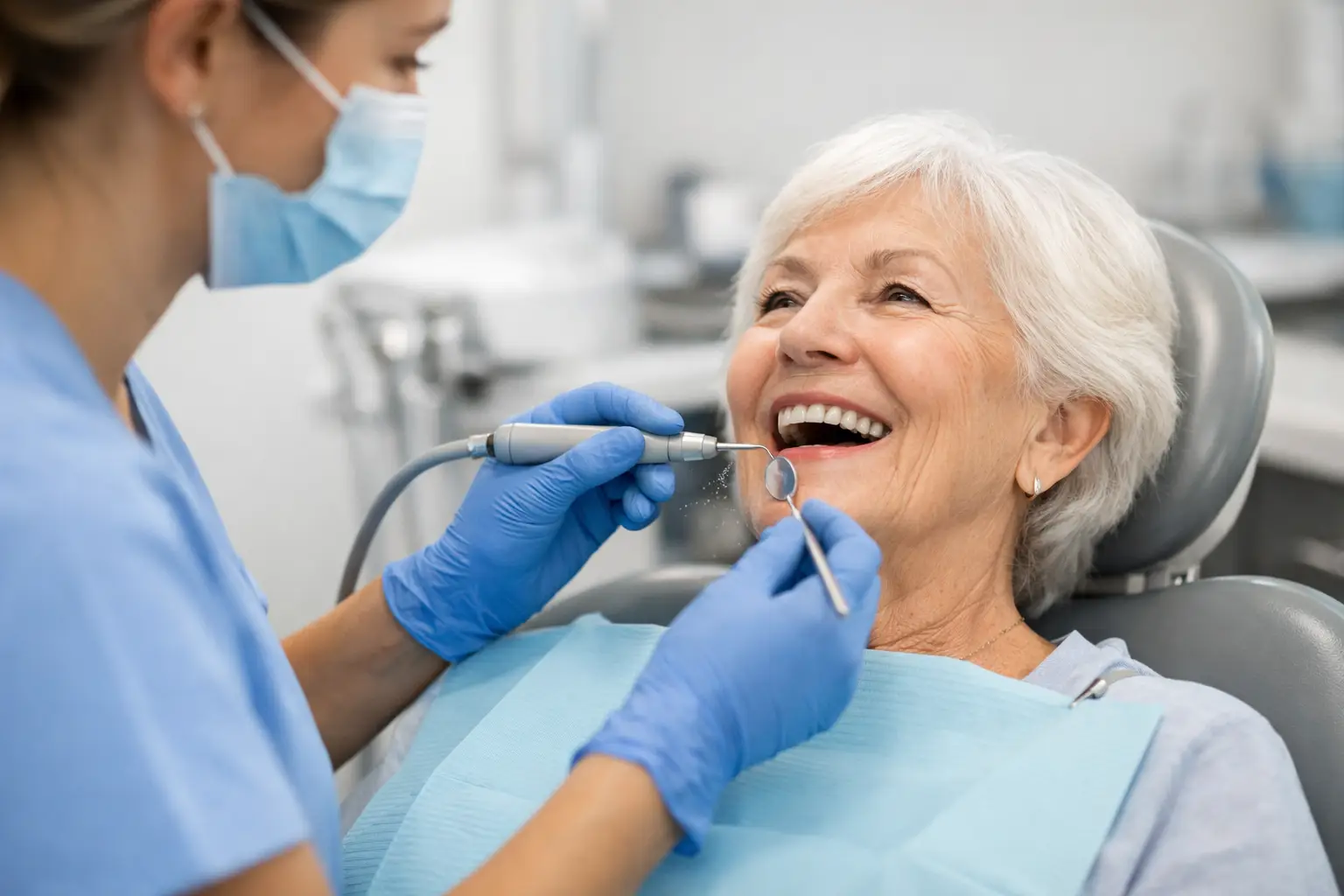
During the cleaning, a hygienist removes plaque and tartar from the teeth and along the gumline. Teeth are then polished to remove surface buildup. If gums are healthy, this may be a straightforward preventive cleaning. If there is significant tartar below the gumline or evidence of periodontal disease, a deeper cleaning may be advised instead.
That distinction is worth understanding. A standard cleaning maintains healthy gums. Scaling and root planing, often called deep cleaning, treats gum disease by carefully removing buildup from below the gumline and smoothing root surfaces. It may require local anesthetic, more than one visit, or follow-up periodontal care. The right recommendation depends on the condition of the gums, not age alone.
Comfort should be part of the plan
No one should feel rushed through care because they are older. A comfortable dental cleaning may include extra time for breaks, a supportive chair position, cushions, or an easy way to signal that you need the hygienist to pause. For someone with neck, back, hip, or shoulder pain, these details can make a meaningful difference.
Arthritis and limited hand mobility can also affect brushing and flossing. Rather than offering generic advice, a dental team can recommend practical changes, such as an electric toothbrush with a larger handle, floss holders, interdental brushes, or prescription fluoride products when indicated. The best home-care routine is the one a patient can use consistently and comfortably.
Dental anxiety deserves the same consideration. Some seniors have avoided the dentist for years because of painful or impersonal past experiences. A calm explanation of each step, a slower pace, and gentle techniques can restore a sense of control. If anxiety is significant, discussing comfort-focused options before the appointment can help make preventive care feel manageable.
How often should seniors get their teeth cleaned?
There is no single schedule that fits every senior. Many people benefit from preventive cleanings every six months. However, a person with gum disease, dry mouth, diabetes, frequent cavities, dental implants, or difficulty cleaning thoroughly may need visits every three or four months.
More frequent cleanings are not a sign of failure. They are a personalized preventive strategy. In the same way that some people need closer monitoring for blood pressure or vision, certain oral health risks call for additional support.
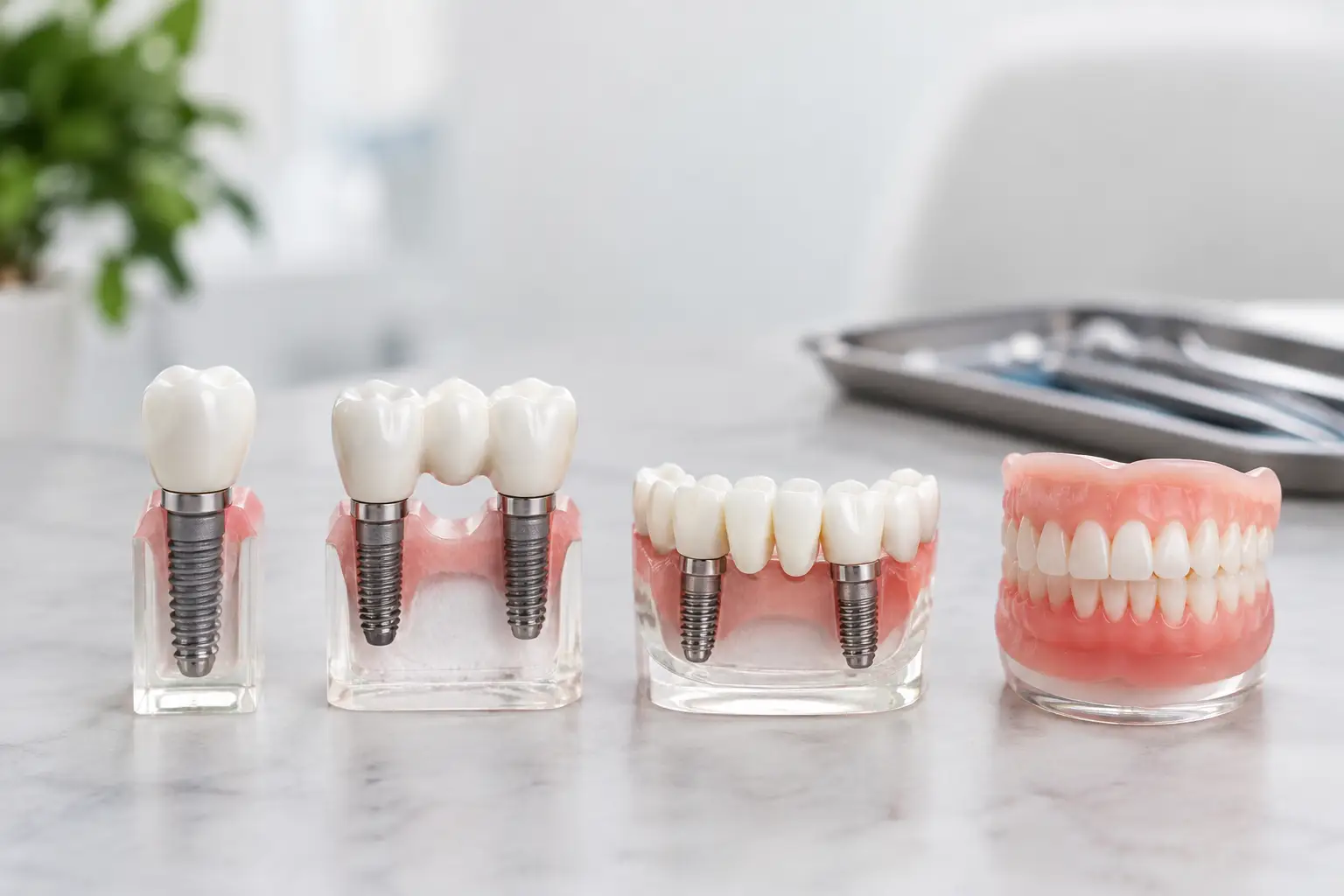
For people with full dentures, regular dental visits still matter. Dentures do not develop cavities, but the gums, jawbone, tongue, and oral tissues still need to be examined. A dentist can check whether dentures fit properly, identify irritation or fungal infections, and screen for changes that should not be ignored. Poorly fitting dentures can cause sore spots, make eating difficult, and affect speech.
Signs it is time to book sooner
Routine appointments are valuable, but some symptoms should not wait for the next cleaning. Contact a dental office promptly if there is persistent tooth pain, facial swelling, pus around the gums, a broken tooth, bleeding that does not improve, a denture that suddenly no longer fits, or a sore that lasts longer than two weeks.
It is also wise to call when dry mouth becomes persistent. Dry mouth may seem like a minor inconvenience, yet it can increase cavity risk and make wearing dentures uncomfortable. A dentist can review possible causes and recommend ways to protect teeth and oral tissues.
Preparing for a smoother appointment
Bring an updated medication list, including over-the-counter products and supplements. Let the office know in advance if you use blood thinners, have had a joint replacement, take medication for osteoporosis, or have a medical condition that affects healing or infection risk. The dental team may need to coordinate care or adapt treatment recommendations.
If mobility is a concern, ask about accessibility, help getting settled into the chair, and whether a caregiver or family member can accompany you. Sharing these needs ahead of time gives the office an opportunity to prepare. A good dental visit should feel organized and respectful, not physically demanding.
If dentures, partials, retainers, or night guards are part of your daily routine, bring them along. They can be evaluated as part of the appointment. For patients with natural teeth and implants, be sure the dentist knows about every restoration, even if it was completed elsewhere.
A long-term approach to oral health
A cleaning is one part of a larger plan. Healthy aging in the mouth means protecting the teeth you have, treating gum problems early, keeping restorations functioning well, and making sure eating and speaking remain comfortable. It may involve preventive cleanings for years, or it may include restorative care, periodontal treatment, or implant support when needs change.
At Yonge and Bloor Dental Care, the goal is to make those decisions clear and personal. Recommendations should reflect your health, your comfort, and what will help you maintain a healthy smile with the least disruption possible.
If it has been a while since your last visit, there is no need to feel embarrassed. Start with a conversation, share what has made dental care difficult, and take one comfortable step toward protecting your smile.