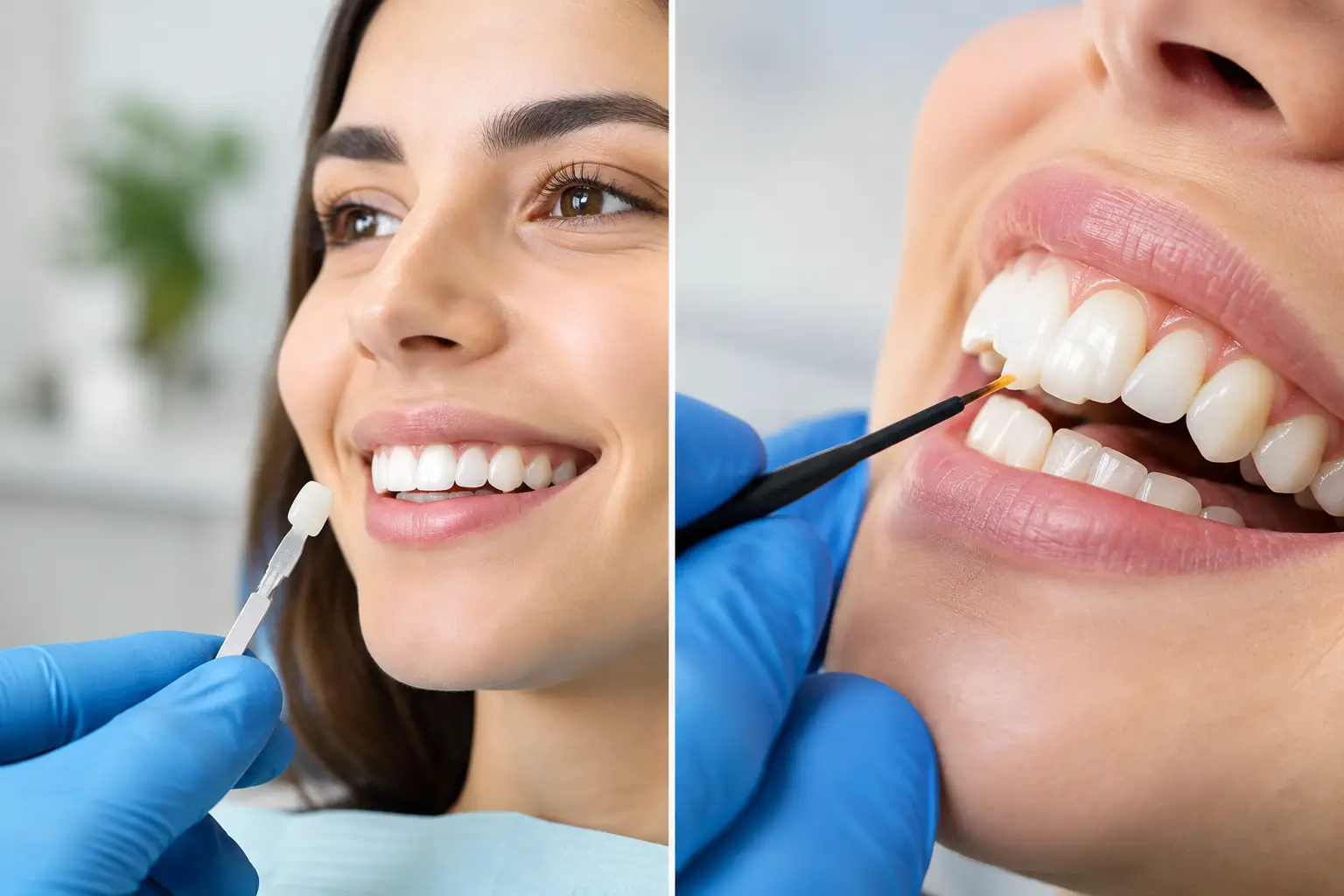

A tooth can look fine from the outside and still be too weak to trust with a morning bagel, a work lunch, or a favorite meal. Large fillings, cracks, decay, and root canal treatment can leave a tooth vulnerable to breaking. A dental crown Toronto patients choose is designed to cover and protect that remaining tooth structure, restoring both strength and a natural-looking smile.
A crown is not simply a cosmetic cover. It is a carefully planned restoration that needs to fit your bite, support your gum health, and blend with neighboring teeth. The right recommendation depends on what is happening beneath the surface, not just what the tooth looks like in the mirror.
What a dental crown does
A dental crown is a custom-made cap that covers the visible portion of a damaged or weakened tooth. Once bonded in place, it helps the tooth handle everyday chewing forces while protecting it from further fracture. Crowns can also improve the shape, color, or alignment of a tooth when a more conservative cosmetic option is not suitable.
Your dentist may recommend a crown when a filling is no longer enough to safely support the tooth. This is common when decay has removed a significant amount of structure or when an older, large filling has begun to fail. A crown may also be used after root canal treatment, where the tooth can become more brittle over time.
Crowns play an important role in more complex restorative care as well. They can complete an implant restoration, support a dental bridge, or rebuild a tooth that has been chipped or worn down. The goal is always to preserve healthy natural tooth structure whenever possible, while giving the tooth the protection it needs.
Signs you may need a dental crown in Toronto
Not every sensitive, discolored, or chipped tooth requires a crown. Sometimes a small filling, bonding, night guard, or other treatment is a better fit. However, an examination is especially worthwhile if you notice pain when biting, recurring sensitivity, a visible crack, or a filling that feels loose or catches food.
A cracked tooth can be particularly difficult to assess at home. The crack may be too small to see, and discomfort can come and go depending on how you bite. Waiting can allow the crack to deepen, sometimes turning a treatable problem into a dental emergency or a tooth that needs root canal treatment.
You should also arrange a prompt visit if an existing crown feels loose, has chipped, or if there is tenderness around it. Crowns are durable, but they are not permanent. Changes in the cement, tooth structure, gums, or bite can affect how well an older crown performs.
The crown process: personalized from the first exam
Crown treatment starts with a focused assessment of the tooth, gums, and bite. Digital imaging and a clinical examination help identify decay, infection, fracture lines, and the condition of the tooth beneath an old restoration. This matters because placing a crown over an untreated problem can lead to more discomfort and more complex care later.
If a crown is the right option, the tooth is gently prepared to create room for the restoration. Local anesthetic is used to keep you comfortable, and patients with dental anxiety can discuss additional comfort-focused options before treatment begins. The dentist then takes a precise digital or physical impression so the crown can be designed for your individual bite and smile.
A temporary crown may protect the tooth while the final restoration is made. It is important to treat this temporary restoration carefully. Avoid very sticky foods, and call the office if it loosens or breaks. At the final visit, the crown is checked for fit, color, contours, and bite before it is bonded into place.
The process can vary. A straightforward crown may take two visits, while a tooth with active infection, extensive decay, gum concerns, or root canal needs may require treatment in stages. A clear plan should explain what is being addressed now, what can wait, and why.
Choosing the right crown material
There is no single best crown material for every tooth. Your smile goals, bite forces, the tooth’s location, and the amount of healthy structure remaining all influence the choice.
All-ceramic crowns are often chosen for front teeth because they can be matched closely to natural enamel and reflect light beautifully. They can also be an excellent choice for visible back teeth, depending on bite conditions. Zirconia crowns are known for strength and may be recommended for molars or patients who place significant pressure on their teeth. Porcelain-fused-to-metal crowns remain appropriate in certain situations, though modern all-ceramic options are often preferred for their lifelike appearance.
For a front tooth, a subtle shade match and natural translucency may be the priority. For a back molar, long-term strength may carry more weight. If you clench or grind your teeth, protecting the new crown with a custom night guard may be part of the treatment plan. The best choice is the one that supports both function and appearance without asking more of the tooth than it can handle.
Comfort matters during crown treatment
Dental treatment feels more manageable when you know what will happen and have time to ask questions. If past experiences have made you nervous, say so before your appointment. Gentle care is not an extra – it is part of good clinical care.
At Yonge and Bloor Dental Care, crown treatment is planned around the individual patient, with modern diagnostic technology, clear communication, and attention to comfort at every stage. Whether you are coming in after a sudden chip or replacing a crown that has reached the end of its service, understanding your options can reduce uncertainty.
It is also helpful to be direct about practical concerns. Ask how many appointments may be needed, what to expect after each visit, whether a temporary crown is planned, and what happens if the tooth needs additional treatment. For many patients, direct insurance billing can simplify the administrative side of care. If you are eligible for the Canadian Dental Care Plan, coverage should be reviewed in advance, as benefits and patient portions can vary by treatment and individual plan details.
Caring for a new crown
A well-made crown still depends on healthy gums and good daily care. Brush twice a day with fluoride toothpaste, clean between teeth daily, and keep regular hygiene visits. Plaque can collect where the crown meets the natural tooth, and decay can still develop at that margin if it is not cleaned thoroughly.
Avoid using crowned teeth to open packaging or chew ice. If you grind your teeth, wear the night guard recommended by your dentist. Contact the office if you develop persistent sensitivity, pain on biting, a rough edge, or a feeling that your bite has changed. Small adjustments made early can help protect the crown and the tooth underneath.
A dental crown is an investment in keeping a natural tooth in service. When it is planned thoughtfully and cared for consistently, it can help you eat, speak, and smile with confidence – without letting one vulnerable tooth dictate your day.