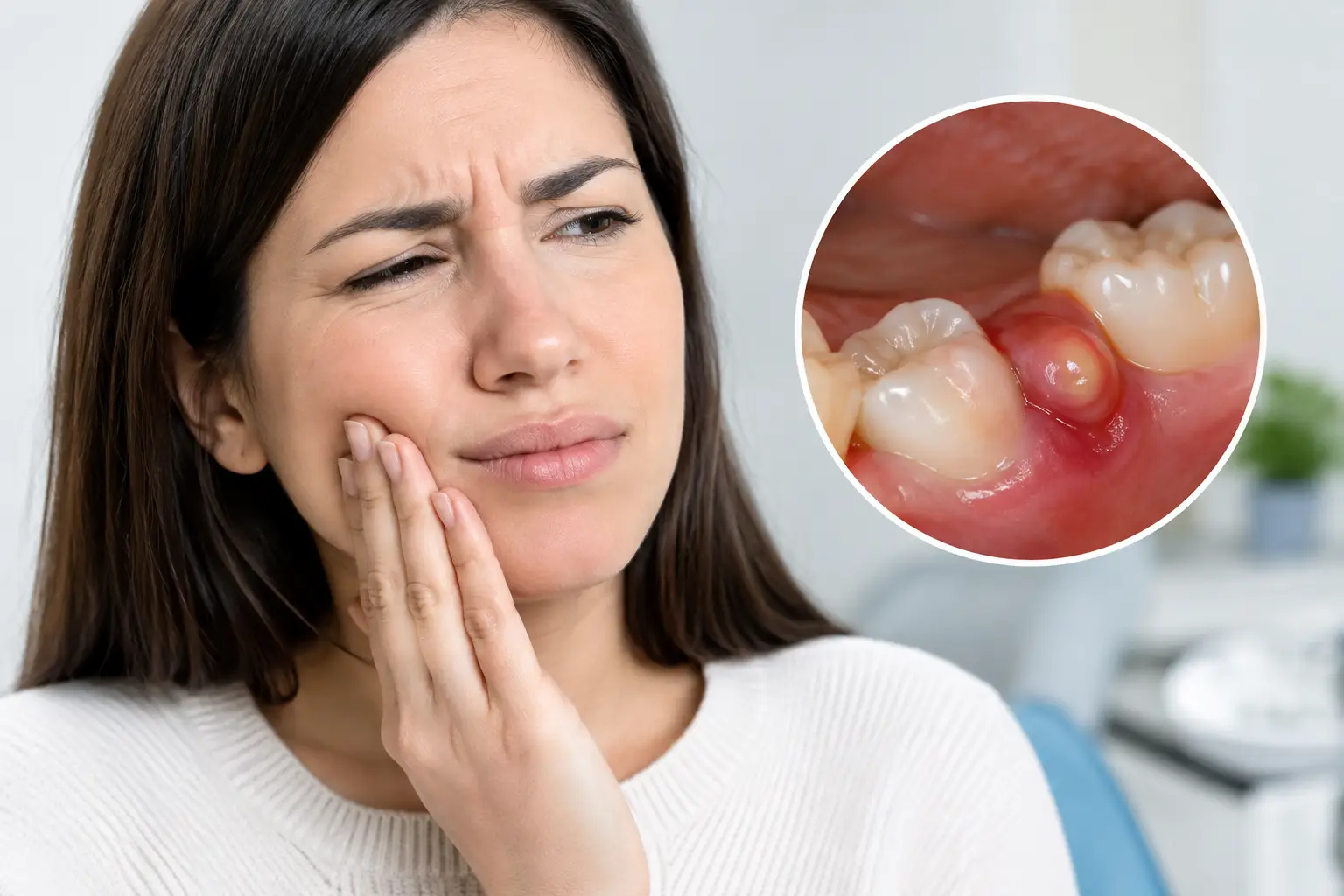
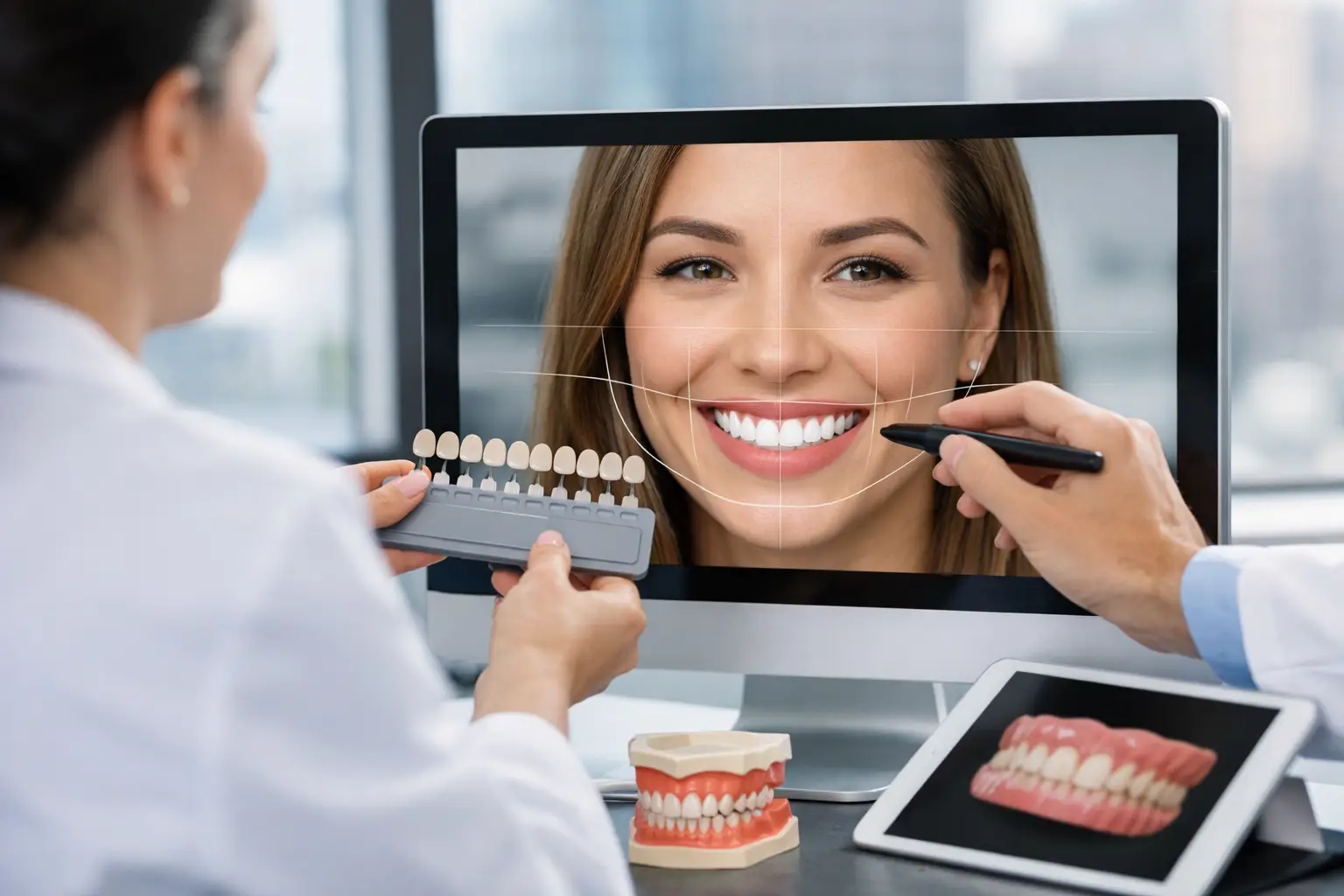
A new smile should not feel like a guess. With digital smile design Toronto patients can see and discuss a proposed result before cosmetic treatment begins. Instead of choosing treatment based on a single shade chart or a brief conversation, your dentist can use digital planning to connect your facial features, bite, tooth proportions, and personal preferences into one thoughtful plan.
For many people in downtown Toronto, the question is not simply, “Can my teeth look better?” It is whether a cosmetic change will still look like them, fit comfortably into a busy schedule, and support long-term oral health. Digital smile design helps answer those questions early, with clearer communication and a more personalized starting point.
What digital smile design actually does
Digital smile design is a planning approach used for cosmetic and restorative dental care. Your dentist begins by gathering detailed information about your teeth, gums, bite, and facial features. This may include photographs, digital scans, X-rays when clinically appropriate, and an in-person examination.
That information helps create a visual plan for potential changes to the shape, length, alignment, color, and overall balance of your teeth. The goal is not to create a generic, overly white smile. It is to design an outcome that looks natural on your face and makes sense for your oral health.
The technology is valuable, but it does not replace clinical judgment. A screen preview is a communication tool and a planning guide, not a promise that every treatment will be identical to a simulation. Your gums, enamel, bite forces, existing dental work, and healing response all matter. A careful dentist uses digital design to make decisions more precise, then confirms that the plan is safe, functional, and realistic.
Why Toronto patients choose a digital-first approach
Cosmetic dentistry often involves personal choices. One person may want subtle refinement after years of tooth wear. Another may be preparing for a wedding, career milestone, or special event and wants a brighter, more balanced smile. Some patients have old bonding, uneven edges, gaps, or discoloration that whitening alone cannot address.
Digital planning gives those conversations structure. You can point to what you like, explain what feels too dramatic, and understand how different options may affect the final appearance. This can be especially reassuring if you have felt uncertain about veneers, bonding, crowns, or orthodontic treatment.
It also helps when treatment involves more than appearance. A chipped front tooth, worn teeth, or older restorations can affect how you bite and how confidently you smile. Planning digitally allows your dentist to consider the cosmetic goal alongside comfort and function rather than treating those concerns separately.
The digital smile design process in Toronto
Every treatment plan is individual, but most digital smile design consultations follow a clear sequence. The pace should feel comfortable, and you should have room to ask questions before deciding how to proceed.
A conversation about your goals
Your visit starts with your priorities. You may want a more even smile, a softer tooth shape, less visible wear, or a brighter color. It also helps to share what you do not want. Some patients are concerned about teeth looking too large, too white, or unlike their natural smile. Those preferences are useful clinical information.
Your dentist will also ask about sensitivity, jaw discomfort, grinding, past dental treatment, and your daily oral care routine. Cosmetic work lasts best when it is built on a healthy foundation.
Records, scans, and a complete assessment
Digital photographs and intraoral scans can capture details that are difficult to evaluate from impressions alone. Your dentist reviews the position of your teeth, gum levels, tooth proportions, bite relationship, and any signs of decay, gum disease, cracks, or wear.
If you have active gum inflammation, untreated cavities, or significant grinding, those issues may need attention before elective cosmetic treatment. This is not a delay for its own sake. Healthy gums and stable teeth give veneers, bonding, crowns, and whitening a better chance of looking good and lasting well.
A preview and treatment discussion
Using the gathered records, your dentist can discuss the changes that may create the most natural balance. In some cases, a digital preview or mock-up helps you visualize possible tooth shapes and proportions. You can compare conservative and more comprehensive options and discuss what each may involve.
A good consultation should be clear about limitations. For example, whitening can improve natural enamel but will not change the color of an existing crown or filling. Bonding can be conservative and effective for small chips or gaps, but it may stain or require maintenance over time. Veneers can create a more substantial change, yet they may require enamel preparation and represent a longer-term commitment.
Treatment planned around your needs
Your final plan may include one service or a combination of care. Depending on your needs, it might involve professional whitening, cosmetic bonding, veneers, crowns, gum contouring, orthodontic alignment, or restorative treatment. The right choice depends on your tooth structure, bite, budget, timeline, and desired level of change.
At Yonge and Bloor Dental Care, the focus is on helping patients understand these choices without pressure. A personalized plan should explain what is recommended, what is optional, how long treatment may take, and how to care for your result afterward.
What makes a smile look natural
A natural-looking smile is rarely about making every tooth identical. Real teeth have subtle variations in shape, translucency, texture, and color. The most pleasing cosmetic outcomes usually respect those details while improving overall harmony.
Tooth length and shape matter. Longer front teeth may create a more youthful appearance for some patients, but too much length can look out of proportion or affect speech. Brightness matters too. A lighter shade can refresh a smile, yet selecting an extremely opaque white may not suit your skin tone, existing teeth, or personal style.
Your gumline is another part of the picture. Uneven gums can make otherwise healthy teeth appear mismatched in size. When appropriate, your dentist may discuss options to improve the balance between teeth and gums. The safest choice always depends on the health and thickness of the gum tissue.
Is digital smile design right for you?
Digital smile design can be useful for patients considering small refinements as well as more extensive cosmetic or restorative care. It is particularly helpful when you want to compare options before committing, have several visible concerns, or need to replace older dental work in the smile zone.
It may not be the first step if you are experiencing dental pain, swelling, a broken tooth, or signs of infection. Those concerns need prompt assessment and treatment. Once your oral health is stable, cosmetic planning can be considered with greater confidence.
Patients who clench or grind their teeth can still pursue cosmetic improvements, but protection is essential. Your dentist may recommend a night guard and select materials designed to suit your bite. Likewise, if you are considering treatment for a major event, allow enough time for planning, procedures, adjustments, and any needed healing rather than booking at the last minute.
Questions worth asking at your consultation
Before choosing a cosmetic treatment, ask what changes are being proposed and why. Ask whether the plan preserves healthy tooth structure, how your bite will be evaluated, and what maintenance your result will need. It is also reasonable to ask about expected appointments, estimated costs, insurance considerations for medically necessary restorative care, and payment options.
Most importantly, pay attention to whether you feel heard. The best smile design is collaborative. Your dentist should be able to explain recommendations in clear language, acknowledge trade-offs, and give you time to make an informed decision.
A smile can be refined without losing the features that make it yours. When planning is careful, comfort is prioritized, and oral health leads the conversation, cosmetic dentistry becomes less about chasing a perfect image and more about feeling at ease each time you smile.