Waking up with a tight jaw, a dull headache, or teeth that feel unusually sensitive can make one question especially urgent: does insurance cover night guards? Often, the answer is yes – but coverage is rarely automatic. Dental plans may help pay for a professionally made night guard when it is prescribed to protect teeth from grinding or clenching, yet the amount covered depends on your individual benefits, deductible, frequency limits, and the type of appliance recommended.
A custom night guard is not simply a comfort item. For many patients, it is a preventive treatment that can reduce the damage caused by bruxism, the habit of grinding or clenching teeth during sleep. Understanding how insurers view this treatment can help you make a confident decision before starting care.
Does Insurance Cover Night Guards for Teeth Grinding?
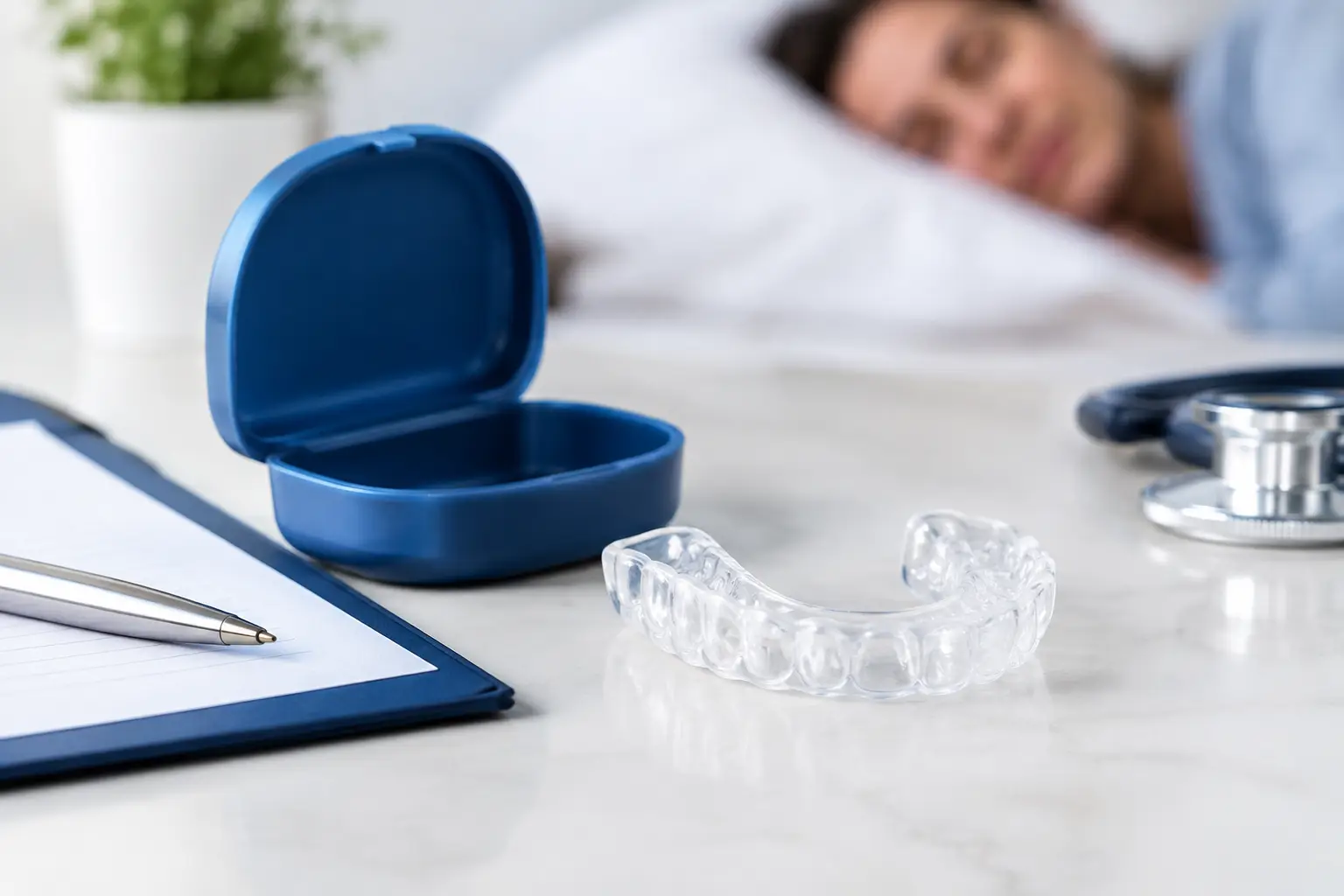
Many dental insurance plans offer partial coverage for a custom night guard, often listed under names such as an occlusal guard, occlusal splint, bite guard, or bruxism appliance. Coverage is most likely when your dentist documents that the appliance is needed to manage signs of grinding, clenching, jaw strain, or excessive tooth wear.
That said, dental benefits are a contract, not a universal promise. One plan may cover a night guard at 50 percent after the deductible, while another may cover it at a different rate, limit payment to once every few years, or exclude it altogether. Some plans place night guards in a major-services category, while others classify them as preventive or basic care. The category matters because it affects both your share of the cost and whether you have met any waiting period.
If a night guard is recommended, the most reliable next step is to have the dental office review your plan before treatment. An estimate can clarify your expected out-of-pocket portion, although the final payment decision always rests with the insurance company once the claim is processed.
Why Medical Necessity Matters
Insurance companies generally distinguish between treatment that protects oral health and treatment chosen primarily for convenience or appearance. A dentist-prescribed custom guard has a stronger case for coverage because it is made to fit your bite and address a specific clinical concern.
During an examination, your dentist may identify flattened or chipped teeth, worn enamel, small fractures, gum recession near the teeth, tender jaw muscles, or headaches associated with clenching. These findings help explain why a night guard is appropriate. Clear clinical notes, diagnostic images when needed, and an accurate insurance code can all support the claim.
Coverage can be less predictable when someone requests a night guard without evidence of grinding or dental damage. This does not mean the appliance would not be useful. It simply means the plan may not consider it a covered benefit. Patients should not delay a needed evaluation solely because coverage is uncertain, especially when teeth are already showing signs of wear.
Custom Night Guards vs. Store-Bought Options
Over-the-counter guards can seem like an easy, lower-cost alternative. They may provide temporary cushioning for some people, particularly while waiting for a dental appointment. However, they are not equivalent to a custom appliance made from impressions or a digital scan of your teeth.
A professionally made night guard is designed around your bite, tooth shape, and the amount of grinding force involved. It should stay in place comfortably, distribute pressure appropriately, and be adjusted if it affects how your teeth meet. For patients with substantial wear, jaw symptoms, crowns, implants, or complex restorative work, that precision can be particularly valuable.
Store-bought guards are usually bulkier and may fit loosely or unevenly. In some cases, a poorly fitting guard can feel uncomfortable, encourage chewing, or interfere with the bite. The upfront savings may be appealing, but repeated replacement and limited protection can make the trade-off less favorable over time.
What Your Plan May Cover – and What You May Pay
Even when insurance covers a night guard, you may still have expenses. Your plan may require you to meet an annual deductible first. It may also pay a percentage of the allowed amount rather than the dentist’s full fee. If your plan has a yearly maximum, previous dental treatment during the same benefit year can reduce what remains available.
Frequency limits are another common consideration. A plan may cover one guard every three, four, or five years, even if yours is lost, chewed through, or damaged sooner. Some insurers will make an exception if there is a documented reason for replacement, but approval is never guaranteed.
It is also worth checking whether your plan requires a waiting period for certain services. This is more common with newly purchased individual plans than with employer-sponsored coverage, but the rules vary. If you are comparing dental plans, look beyond the monthly premium and review appliance coverage, annual maximums, and replacement restrictions.
Questions to Ask Before You Commit
A brief benefits conversation can prevent surprises. Ask your dental office whether they can submit a pre-treatment estimate or preauthorization request. While not every insurer uses the same process, a written estimate is often the clearest way to understand anticipated coverage.
You can also ask whether the appliance is being submitted as an occlusal guard, what your plan’s replacement interval is, whether your deductible applies, and whether you have enough annual maximum remaining. If your benefits representative gives you information by phone, write down the date, the representative’s name, and any reference number provided.
At Yonge and Bloor Dental Care, a team member can help review available insurance information and explain the financial options before your custom appliance is made. That practical support matters when you are balancing oral health needs with a busy schedule and a household budget.
When a Night Guard Is Worth It Without Coverage
Insurance coverage is helpful, but it should not be the only factor in your decision. Grinding can quietly damage enamel, strain jaw muscles, loosen restorations, and place added force on crowns, veneers, bridges, and implants. Rebuilding a chipped tooth or replacing a damaged restoration can cost considerably more than protecting it early.
A night guard is also only one part of the picture. If stress, sleep disruption, medication changes, bite issues, or sleep apnea may be contributing to clenching, your dentist may recommend additional steps. These might include monitoring your symptoms, adjusting a restoration that hits too early, discussing sleep concerns with your physician, or using relaxation strategies before bed.
If you already have pain, a broken tooth, a loose crown, or a jaw that locks or catches, schedule an examination rather than trying to manage the problem with a generic guard alone. A careful diagnosis helps ensure the appliance is addressing the right issue.
Frequently Asked Questions
Will medical insurance cover a night guard?
Medical insurance generally does not cover a night guard for routine teeth grinding. Dental insurance is more commonly used because the appliance protects teeth and manages dental effects of bruxism. Rare exceptions may exist when treatment is connected to a broader medical condition, but these cases require plan-specific review.
Are night guards covered by FSA or HSA funds?
In many cases, yes. A custom night guard prescribed by a dentist is commonly an eligible expense for flexible spending account or health savings account funds. Check your account rules and keep your receipt and treatment documentation.
How long does a custom night guard last?
A well-made guard can last several years, but longevity depends on the material, how intensely you grind, how it is cleaned, and whether your bite changes. Bring it to regular dental visits so your dentist can check for wear, cracks, and fit.
Protecting your teeth from nightly grinding is an investment in comfort, function, and the dental work you already have. Before assuming a night guard is out of reach, ask for a benefits review and a personalized treatment estimate – clear information can make the next step feel much more manageable.