
A child’s first cleaning, a busy professional’s overdue exam, a parent’s cracked filling, and a grandparent’s denture adjustment may look like separate needs. In practice, they all benefit from a family dentist Yorkville patients can return to with confidence. The right dental office makes preventive care easier to maintain while having the clinical range to address unexpected problems without sending patients from provider to provider.
For families and individuals in downtown Toronto, convenience matters, but it should not come at the expense of thoughtful care. A dental visit should feel organized, comfortable, and clear from the first conversation through treatment planning. Whether you need a routine cleaning or help for sudden tooth pain, a long-term dental home can make decisions about oral health feel far more manageable.
What a Family Dentist in Yorkville Should Provide
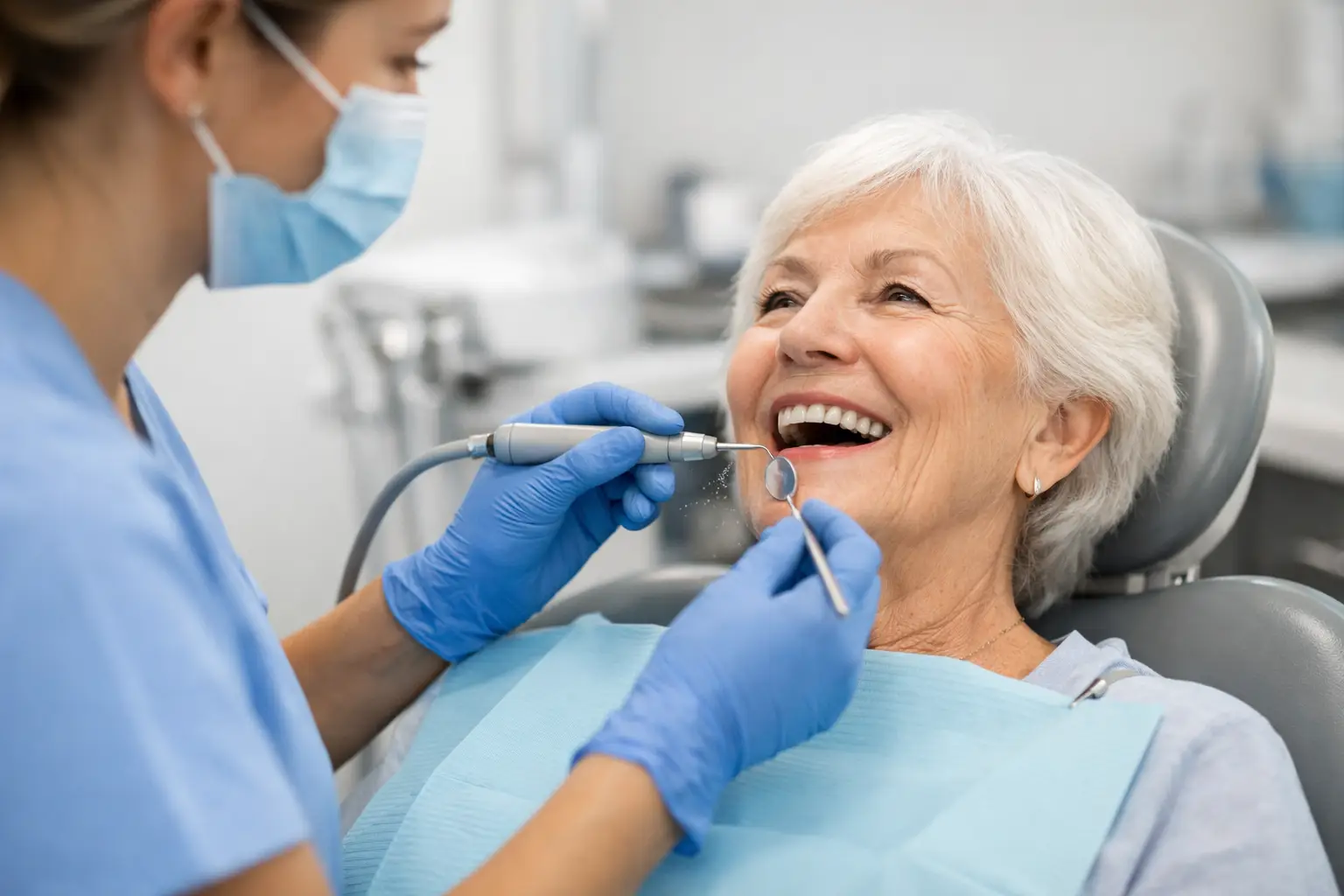
Family dentistry is not simply about seeing patients of different ages. It is about understanding how oral health needs change over time and providing care that reflects the person in the chair. A young child may need encouragement and gentle guidance during an early appointment. An adult may be focused on maintaining a healthy smile while managing a demanding schedule. A senior may need support with gum health, missing teeth, dry mouth, or changes in restorative work.
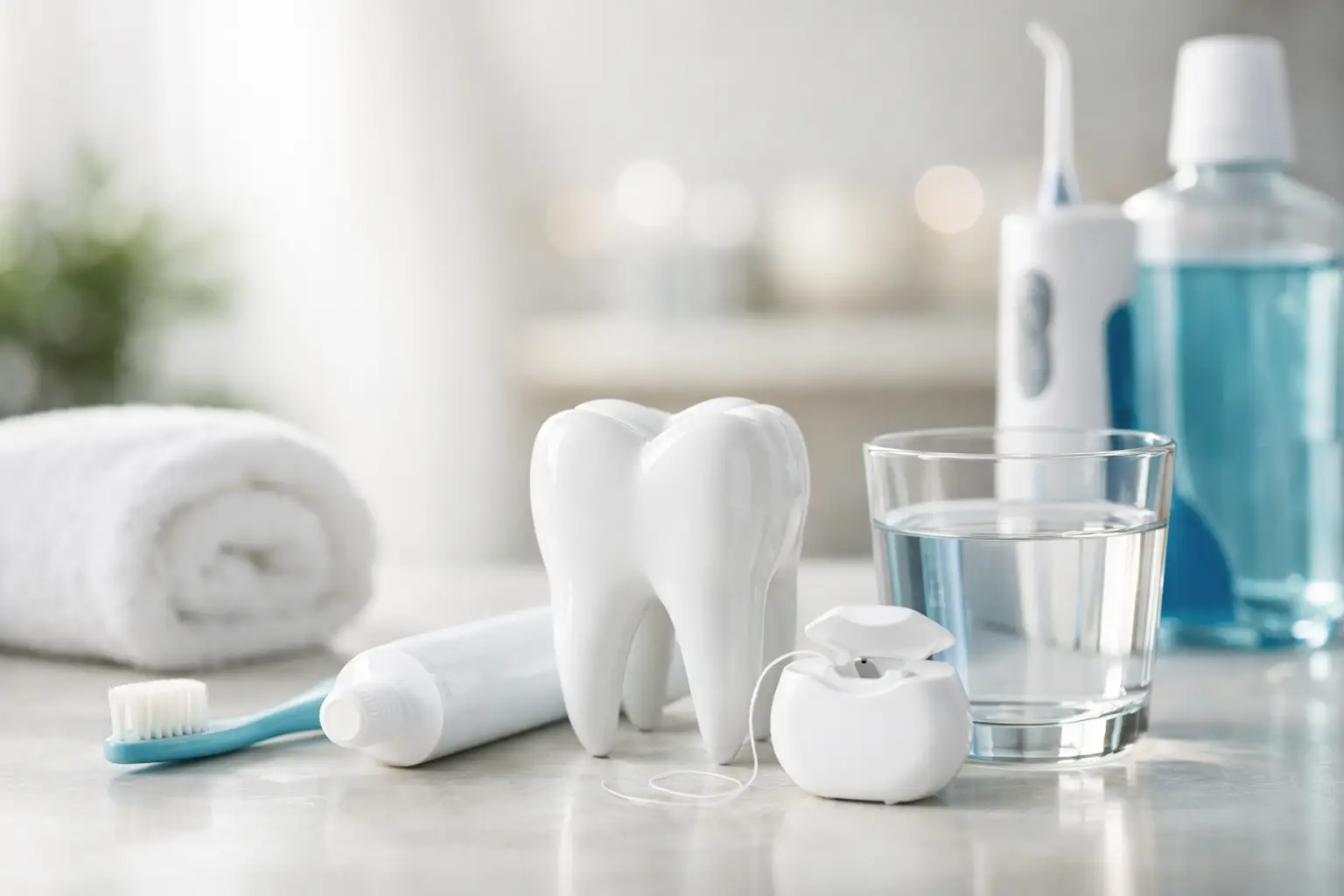
A capable family dental practice begins with prevention. Regular examinations, professional cleanings, digital imaging when appropriate, and gum assessments help identify concerns while they are smaller and often easier to treat. Preventive appointments also create a useful baseline. When your dentist knows what is normal for your teeth and gums, changes such as early decay, a worn restoration, or a developing bite issue are more likely to be caught promptly.
That foundation should be paired with a broad range of treatment options. Cavities, cracked teeth, infections, missing teeth, and cosmetic concerns do not always arrive on a convenient schedule. A practice that provides restorative dentistry, root canal treatment, dental implants, periodontal care, cosmetic services, and emergency appointments can coordinate care around your needs rather than asking you to navigate several unfamiliar offices.
Comfort Is Part of Quality Care
Many people delay dental visits because they have had a painful, rushed, or impersonal experience in the past. Others feel anxious even when they know an appointment is necessary. A family dentist should take those concerns seriously, not treat them as an inconvenience.
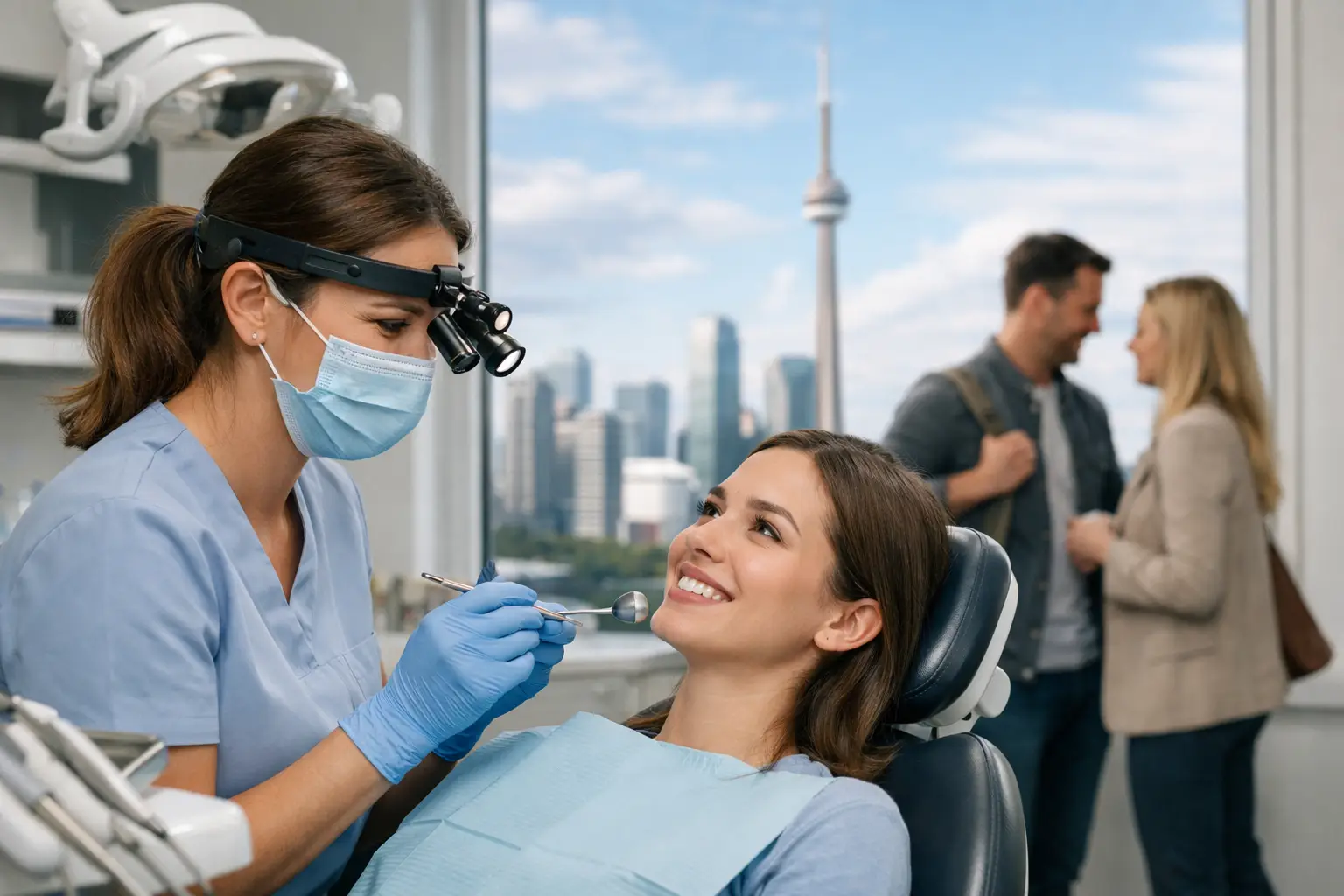
Comfort-focused dentistry starts before treatment begins. It means listening to what has made visits difficult, explaining what will happen in plain language, and agreeing on a pace that feels reasonable. For some patients, a clear explanation and regular check-ins are enough. For others, sedation dentistry may be worth discussing for longer procedures, significant anxiety, or a strong gag reflex.
Gentle care does not mean less thorough care. It means using modern techniques and technology to support accuracy, communication, and patient comfort. Digital imaging can help patients see the reason behind a recommendation. Digital smile design can help those considering cosmetic or restorative changes visualize potential outcomes before moving forward. The best approach depends on your goals, oral health, timeline, and budget, but patients should never feel pressured into treatment they do not understand.
Look for Care That Fits Real Life
Yorkville families, students, professionals, and seniors often share one challenge: time. It is easy to put off an exam when work, school, commuting, caregiving, and other responsibilities fill the week. A dental office that respects your schedule helps reduce that barrier through straightforward booking, efficient appointments, and clear communication about what to expect.
Accessibility also includes financial clarity. Before proceeding with treatment, patients should understand the purpose of care, the expected investment, and available payment or insurance options. Direct insurance billing can reduce administrative stress, while participation in the Canadian Dental Care Plan may help eligible patients access needed services. Coverage varies by plan and treatment, so it is always reasonable to ask questions before an appointment or before accepting a treatment plan.
It is also helpful when a practice can handle both planned and urgent needs. A toothache, facial swelling, a lost crown, or a broken tooth deserves timely attention. Even if the final restoration requires a later visit, an emergency assessment can relieve discomfort, control infection, and protect the tooth from further damage. Knowing where to call when something goes wrong provides real peace of mind.
The Value of Personalized Treatment Planning
No two mouths have the same history. One patient may need a simple filling and a cleaning. Another may have gum inflammation, worn teeth from grinding, and an older bridge that is starting to fail. Treating only the most visible concern may offer short-term relief, but it can overlook the factors contributing to it.
Personalized treatment planning considers the full picture: your current oral health, previous dental work, bite, appearance goals, health history, comfort level, and priorities. It should also recognize that treatment does not always need to happen all at once. When a case is complex, a dentist may recommend addressing urgent concerns first, stabilizing gum health next, and planning cosmetic or long-term restorative work in stages.
This is especially valuable for patients considering smile improvements. Whitening, bonding, veneers, crowns, and implants can all improve appearance, but they serve different purposes. A natural-looking cosmetic result should work with your bite, gums, and facial features, not simply create a brighter shade of teeth. A careful consultation helps distinguish between a quick aesthetic change and a more involved plan that improves both function and appearance.
Questions Worth Asking Before You Choose
Choosing a dental office is personal, and a short conversation can reveal a great deal about the patient experience. Ask whether the practice treats children, adults, and seniors; how it supports patients with dental anxiety; which services are available in-office; and what happens if you need urgent care.
You may also want to ask how treatment recommendations are explained and whether the office provides a clear estimate before starting non-emergency work. A dependable practice welcomes these questions. Patients should leave an appointment knowing what was found, why a recommendation was made, what alternatives may exist, and what next step makes sense.
Location and technology matter, but the relationship matters more. You are looking for a team that remembers your concerns, notices changes over time, and gives you space to make informed choices. This is particularly helpful for families, since parents often want one trusted place where their own care and their children’s care can be coordinated.
A Long-Term Dental Home for Yorkville Families
The greatest advantage of ongoing family dentistry is continuity. Regular visits allow your dental team to monitor patterns, reinforce healthy habits, and make care less reactive. A minor issue can often be addressed before it becomes a more complicated and costly problem, while routine appointments can become familiar rather than stressful.
At Yonge and Bloor Dental Care, care is designed around that long-term relationship, combining gentle treatment, modern technology, and personalized planning for routine, restorative, cosmetic, and urgent needs. The goal is not simply to complete a procedure. It is to help every patient feel informed, comfortable, and supported in maintaining a healthy smile.
If it has been a while since your last visit, starting with an exam and cleaning is often the most useful first step. It gives you a clear picture of your oral health and a calm place to begin, one appointment at a time.