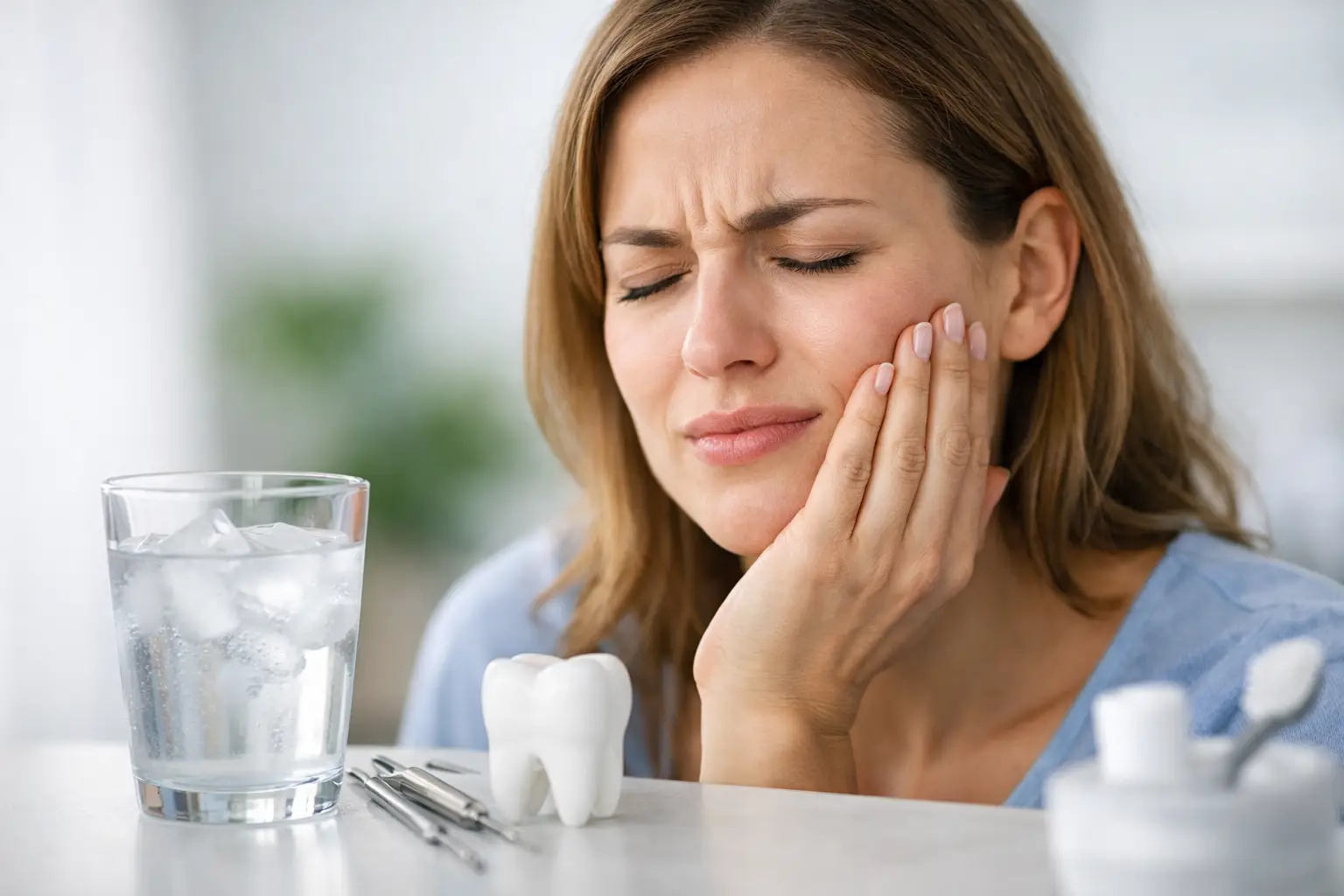
That sharp jolt when you sip iced coffee, breathe in cold air, or bite into something sweet can make ordinary moments feel stressful. Learning how to reduce tooth sensitivity starts with understanding that sensitivity is a symptom, not a diagnosis. Sometimes it improves with a few changes at home. Other times, it is your tooth’s way of asking for professional care before a small problem becomes a painful one.
Sensitivity is common, but you do not have to simply work around it. A gentle, personalized dental assessment can identify the cause and help you enjoy hot, cold, sweet, and acidic foods with more comfort.
How to Reduce Tooth Sensitivity at Home
For mild, occasional sensitivity, consistency matters more than a quick fix. Start by switching to a toothpaste made for sensitive teeth. These formulas help calm the tiny pathways in exposed dentin that carry sensations toward the nerve inside the tooth. Use it twice daily, and give it time. Many people notice improvement after a few weeks of regular use rather than after one or two brushes.
Brush with a soft-bristled toothbrush and light pressure. Brushing harder does not make teeth cleaner, but it can wear down enamel near the gumline and irritate receding gums. Hold the brush at a gentle angle toward the gums, use small motions, and avoid aggressive back-and-forth scrubbing. If your brush bristles bend outward quickly, you may be using more pressure than your teeth and gums need.
Your timing after acidic foods and drinks also matters. Citrus, soda, sports drinks, wine, and even sparkling water can temporarily soften enamel. Rinse with plain water afterward, then wait about 30 minutes before brushing. Brushing immediately can increase wear on softened enamel.
If cold drinks are a reliable trigger, use a straw when practical and avoid holding cold liquids against a sensitive tooth. This is not a long-term substitute for dental care, but it can make the day more comfortable while you work on the underlying cause.
Why Teeth Become Sensitive
A healthy tooth has a protective outer layer of enamel above the gumline and cementum over the roots. When enamel wears down or gums pull back, the softer layer underneath, called dentin, may become exposed. Dentin contains microscopic channels that can transmit temperature and pressure changes toward the nerve.
That exposure can happen for several reasons. Acid erosion, vigorous brushing, gum recession, and teeth grinding are frequent contributors. Whitening products can also cause temporary sensitivity, particularly when used too often or when a person already has exposed dentin.
Sensitivity can also come from a single tooth rather than a general enamel issue. A cavity, a cracked tooth, a loose filling, an infection, or a leaking restoration may cause sharp pain in one specific area. This is why sensitivity that is new, intense, or localized deserves attention. It may not respond to sensitive toothpaste alone.
Know the Difference Between Mild Sensitivity and a Dental Concern
Brief discomfort that fades quickly after cold or sweet foods is often associated with exposed dentin. It still deserves discussion at your next checkup, especially if it keeps returning, but it is not always an emergency.
Pain that lingers for more than a few seconds, wakes you at night, hurts when you bite, or appears without an obvious trigger is more concerning. Swelling, a bad taste, fever, facial swelling, or a pimple-like bump on the gums can point to an infection and requires prompt dental care. Do not place aspirin directly on a tooth or gum tissue. It will not treat the cause and can irritate the tissue.
A cracked tooth can be especially difficult to identify because discomfort may come and go. You might feel a sharp pain when releasing your bite rather than when first chewing. A dental exam, digital imaging when appropriate, and a careful bite evaluation can help find the source without guesswork.
Daily Habits That Protect Enamel and Gums
Sensitive teeth often improve when daily care becomes more protective rather than more forceful. Brush twice a day for two minutes with fluoride toothpaste, clean between your teeth once daily, and keep regular professional cleanings. Plaque near the gumline can contribute to gum inflammation and recession, which may expose root surfaces over time.
Consider the pattern of acidic foods and drinks in your day, not just the amount. Sipping soda, lemon water, or energy drinks over several hours repeatedly exposes teeth to acid. Having these drinks less often, drinking water between them, and enjoying them with meals can reduce that repeated exposure.
If you clench or grind your teeth, your jaw may feel tight in the morning, your teeth may look worn, or sensitivity may be worse after stressful periods. A custom night guard can protect teeth more precisely than a generic over-the-counter option. The right choice depends on your bite, the extent of wear, and whether jaw pain is also present.
For people using whitening strips, trays, or whitening toothpaste, taking a break may help if sensitivity begins. Whitening can be a safe cosmetic treatment when planned appropriately, but stronger or more frequent treatment is not necessarily better. A dentist can recommend an approach that supports your smile goals while protecting comfort.
Professional Treatments for Tooth Sensitivity
When at-home measures are not enough, treatment should match the cause. A dentist may apply fluoride varnish or a desensitizing agent to strengthen vulnerable areas and reduce sensation. For exposed root surfaces, bonding can sometimes cover and protect the area. If gum recession is significant, periodontal care may be part of the plan.
A cavity, damaged filling, or crack may need a restoration to seal the tooth and prevent further damage. In deeper cases, pain can indicate that the nerve inside the tooth is inflamed or infected. Root canal treatment can remove infection and preserve the natural tooth, usually followed by a protective restoration such as a crown when needed.
For enamel erosion or worn teeth, the best plan depends on how much structure remains and what caused the damage. Treatment may focus first on prevention, then on restoring protection and function with conservative options. A modern dental office can use digital imaging and detailed examination to make recommendations based on your specific teeth, bite, and comfort level.
When to Schedule an Appointment
Schedule a dental visit if sensitivity lasts longer than two weeks despite using a sensitive toothpaste and gentler brushing technique. Make an appointment sooner if the pain is concentrated in one tooth, is getting worse, or affects eating, sleeping, or daily life.
For severe pain, swelling, trauma, or signs of infection, seek urgent dental care. Early treatment is typically more comfortable, less complex, and more likely to preserve your natural tooth. If dental visits have felt difficult in the past, tell the office when booking. Comfort-focused care, clear explanations, and options for anxiety support can make it easier to get the care you need.
At Yonge and Bloor Dental Care, an exam for sensitivity is approached as a conversation as well as a clinical evaluation. The goal is not simply to stop the sensation for the moment, but to identify what your teeth need to stay comfortable and healthy.
You should be able to enjoy a cold drink, a warm meal, and your daily routine without bracing for pain. A few gentle changes may be enough, and when they are not, a timely dental visit can provide a clear path forward.