A child can have healthy-looking teeth and still be at risk for cavities in the deep grooves of their molars. Those narrow pits can hold food and bacteria even when brushing is consistent. Dental sealants create a protective barrier over those chewing surfaces, reducing the chance that decay gets started in the first place.
Knowing how to select dental sealants is less about choosing a product from a list and more about understanding which teeth need protection, which material suits the situation, and whether the sealant can be placed under the right conditions. A personalized exam helps turn a simple preventive treatment into a decision that supports long-term oral health.
Start With Cavity Risk, Not Age Alone
Sealants are often associated with children because first permanent molars usually erupt around age 6, followed by second molars around age 12. Applying sealants soon after these teeth come in can protect them during years when brushing the very back of the mouth may be difficult. But age alone does not determine whether sealants are appropriate.
Teens and adults can benefit, too. Someone with deep grooves in healthy molars, a history of cavities, dry mouth, orthodontic appliances, frequent snacking, or difficulty cleaning certain teeth may be a good candidate. Conversely, a tooth with shallow, easy-to-clean grooves and a low risk of decay may not need a sealant.
During an exam, your dentist will assess the shape of the tooth, the condition of the enamel, cavity history, oral hygiene habits, diet, fluoride exposure, and any changes visible on X-rays. This matters because sealants are preventive, not a substitute for treating an established cavity. If decay has already progressed into the tooth, a filling or another restorative approach may be the better option.
How to Select Dental Sealants by Tooth Condition
The first question is whether the tooth is sound enough for sealing. A sealant is most effective when it bonds directly to clean, healthy enamel. Early changes in enamel can sometimes be monitored or sealed, depending on their location and whether there are signs of active decay. That decision should be based on a clinical examination, not appearance alone.
Molars and premolars are the most common candidates because their chewing surfaces have natural grooves. Front teeth rarely need sealants, although there are uncommon situations where a dentist may recommend one for a deep pit on the back of an upper front tooth.
A newly erupted molar deserves special attention. It may be at higher risk because it sits lower than neighboring teeth and can be harder to brush thoroughly. At the same time, partially erupted teeth can be difficult to keep dry during treatment. In that situation, your dentist may recommend waiting until the tooth erupts further or using a material that tolerates moisture better.
Understand the Main Sealant Material Options
Most dental sealants are resin-based materials, and for many fully erupted molars, they are the preferred choice. Resin sealants can bond well to enamel, flow into narrow grooves, and last for years when the tooth is properly isolated from saliva during placement. They are typically clear, white, or slightly tinted, so they are discreet and easy for the dental team to monitor at future visits.
Glass ionomer sealants are another option. They tend to be useful when moisture control is challenging, such as on a tooth that has not fully erupted or for a patient who finds it hard to keep their mouth open comfortably. Some glass ionomer materials release fluoride, which can offer an added preventive benefit. The trade-off is that they may wear away sooner than resin sealants in high-pressure chewing areas.
Your dentist may also discuss flowable composite materials in certain cases. These are generally more durable but can require more tooth preparation than a traditional sealant. The best material depends on the tooth, the patient’s comfort, the ability to keep the area dry, and the level of protection needed.
For most patients, the key takeaway is simple: a carefully placed sealant made from the appropriate material is more valuable than choosing a material based on marketing terms alone.
Placement Quality Matters as Much as Material
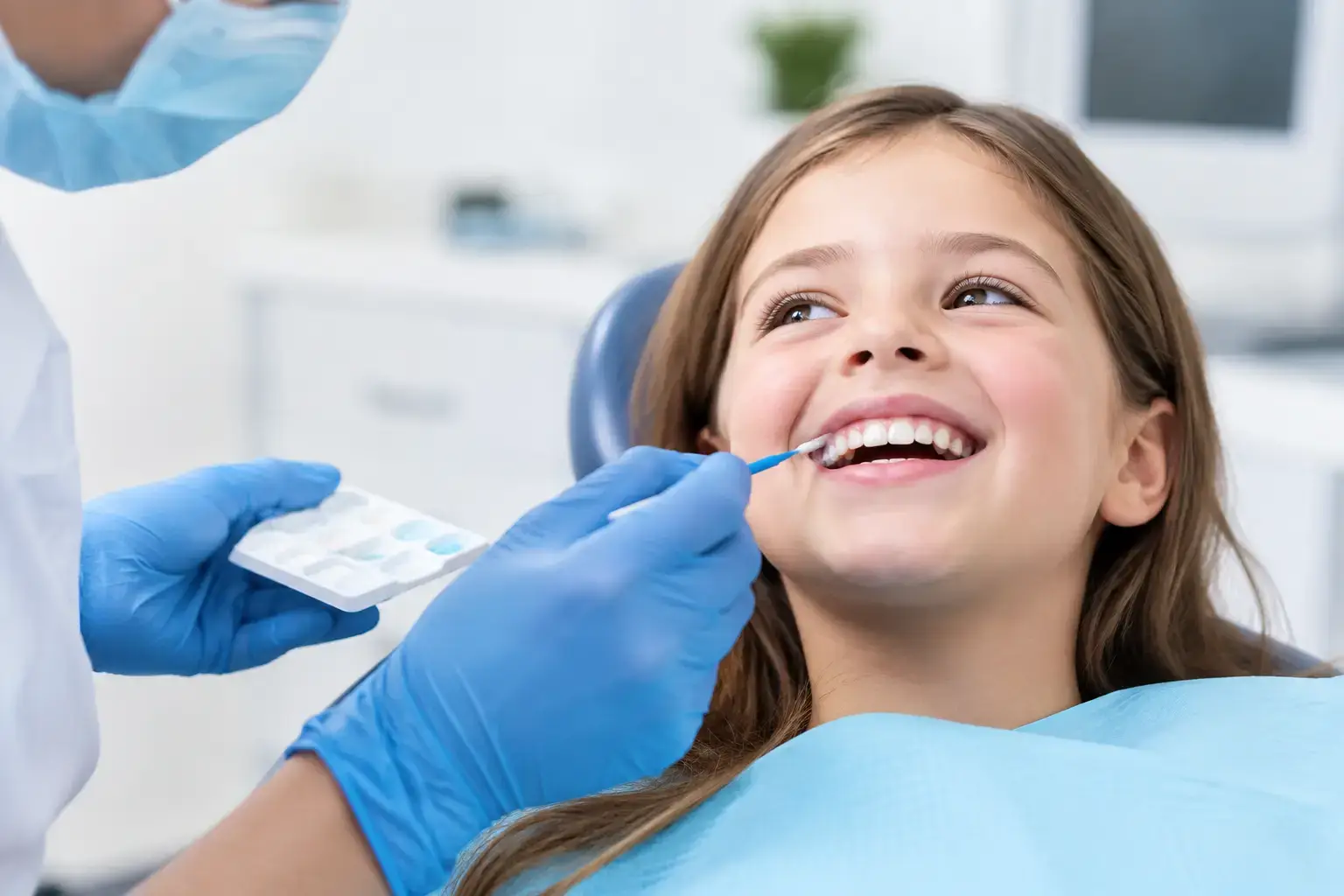
Even an excellent sealant material can fail early if saliva contaminates the tooth while it is being placed. That is why isolation is central to a successful treatment. The dental team will clean the chewing surface, prepare the enamel so the material can bond, keep the tooth dry, apply the sealant, and harden it with a curing light when needed.
This process is usually quick and comfortable. It generally does not require numbing, drilling, or recovery time. For children, nervous patients, or anyone with dental anxiety, a gentle explanation of each step can make the appointment feel far more manageable.
After placement, the dentist checks the bite. A sealant should protect the grooves without feeling high or changing how the teeth come together. If a tooth feels different when you bite down after treatment, mention it promptly so it can be adjusted.
Ask About Durability and Follow-Up Care
Dental sealants are durable, but they are not permanent. They can wear, chip, or partially come off over time, particularly in patients who grind their teeth, chew ice, or eat hard foods frequently. That does not mean the treatment failed. It means sealants should be checked as part of routine preventive care.
At regular exams and cleanings, your dentist can evaluate whether the sealant is intact and whether the margins remain sealed. If needed, the material can often be repaired or replaced without difficulty. Maintaining this follow-up is one of the most practical ways to protect the investment in preventive care.
Sealants also work best alongside daily brushing with fluoride toothpaste, cleaning between teeth, balanced eating habits, and professional cleanings. They cover only the chewing surface. Cavities can still develop between teeth or along the gumline, where a toothbrush, floss, fluoride, and regular exams remain essential.
Consider Comfort, Coverage, and Family Needs
For families, selecting sealants may come down to timing and convenience. A child may benefit from sealants during a routine cleaning appointment once the permanent molars have erupted. An adult may choose them after learning that deep grooves or a history of recurring cavities put certain teeth at greater risk.
If treatment cost is a concern, ask the dental office to review your insurance coverage and available payment options before the visit. Coverage differs by plan and may be more common for children than adults, even when an adult has a valid clinical need. A clear estimate helps you make a comfortable decision without surprises.
It is also reasonable to ask what material is being recommended and why. A patient-centered dentist should be able to explain whether the tooth is fully erupted, how moisture will be controlled, what follow-up is expected, and whether there are signs that another treatment would be more appropriate.
When a Sealant May Not Be the Right Choice
Sealants are highly effective for the right tooth, but they are not automatically the answer for every groove or stain. A dark line on a molar is not always decay, and a tooth that looks fine can sometimes have decay beneath the surface. Clinical assessment and appropriate X-rays help distinguish between a tooth that needs preventive sealing and one that needs restorative treatment.
A sealant may also be less suitable if the tooth cannot be kept adequately dry, if the patient cannot tolerate the placement comfortably that day, or if extensive decay is already present. In those cases, your dentist may recommend monitoring, fluoride treatment, a temporary protective material, or a filling, depending on the findings.
The best choice is the one that matches the tooth in front of you, not a one-size-fits-all rule. With a careful exam and regular follow-up, dental sealants can be a small, comfortable step that helps keep healthy teeth healthy for years to come.