
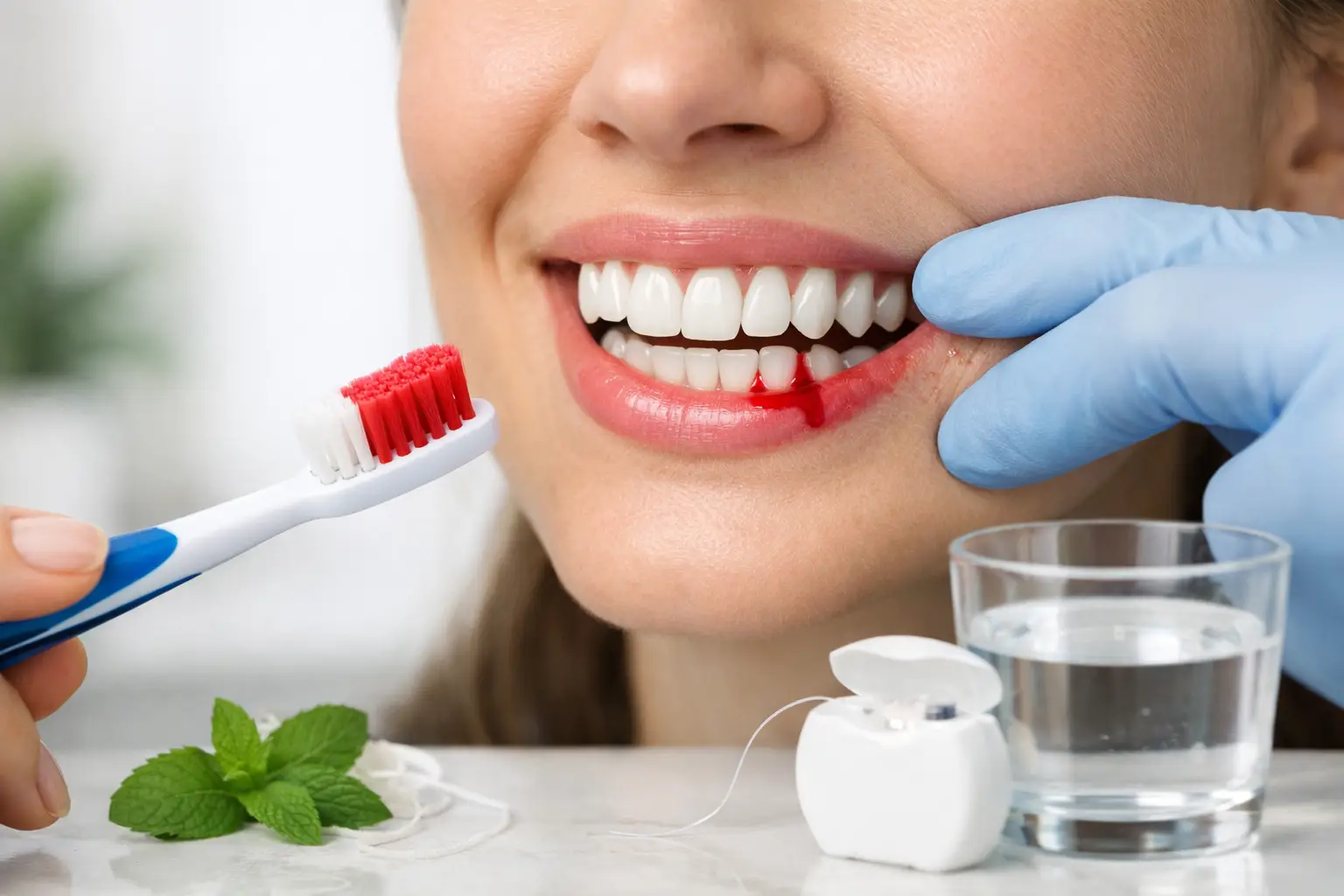
A pink streak in the sink after brushing can be unsettling, especially if it seems to happen out of nowhere. Learning how to stop gum bleeding starts with recognizing that healthy gums generally should not bleed during normal brushing or flossing. The most common cause is treatable inflammation, but persistent bleeding deserves professional attention rather than a change in your routine that simply hides the problem.
Why gums bleed in the first place
Plaque is a soft, sticky film of bacteria that collects along the gumline. When it is not fully removed, the gums can become irritated and inflamed. This early stage of gum disease is called gingivitis. Bleeding, tenderness, redness, swelling, and bad breath can all be signs.
Gingivitis is very common, and it can often be reversed with consistent home care and professional cleanings. The catch is that plaque can harden into tartar, which cannot be brushed or flossed away at home. Tartar continues to irritate the gums until it is removed during a dental cleaning.
Not every case has the same cause. Brushing too hard with a firm toothbrush, snapping floss into the gums, wearing an appliance that rubs the tissue, or having food stuck between teeth can cause localized bleeding. Hormonal changes, smoking or vaping, dry mouth, diabetes, vitamin deficiencies, and certain medications may also affect gum health. Blood-thinning medication can make bleeding more noticeable, but it does not automatically explain away bleeding gums.
How to stop gum bleeding with a gentler routine
If your gums bleed during brushing or flossing, it is tempting to avoid the area. That usually makes the issue worse because plaque remains at the gumline. The goal is not to scrub harder. It is to clean thoroughly and gently every day.
Choose a soft-bristled toothbrush and brush for two minutes, twice daily, using a fluoride toothpaste. Hold the brush at a slight angle toward the gumline and use small, light motions. A soft electric toothbrush can be helpful for people who tend to press too hard, especially if it has a pressure sensor. Manual brushes can work just as well when used with a light touch and replaced every three to four months, or sooner if the bristles flare outward.
Clean between your teeth once a day. Traditional floss, floss picks, interdental brushes, and water flossers can all play a role, depending on the spacing between your teeth and any dental work you have. Floss should slide gently between teeth and curve around each tooth in a C shape. Avoid forcefully snapping it down onto the gums.
When you first start flossing consistently, mild bleeding may continue for several days because inflamed gums are sensitive. Continue with gentle daily cleaning rather than stopping. If the bleeding is not improving after about one to two weeks, or returns regularly, schedule a dental evaluation.
A warm saltwater rinse can soothe irritated tissue temporarily. Mix a small amount of salt into warm water, swish gently, and spit it out. It is not a substitute for brushing, flossing, or treatment, but it can be comforting when gums feel tender. Antiseptic mouth rinses may be recommended in some cases, though the right choice depends on your needs. Some rinses can cause staining or dryness with prolonged use, so it is best to ask your dentist before making one a long-term habit.
Small habits that make a meaningful difference
Gum health responds to consistency. Missing a night of flossing will not cause gum disease on its own, but an on-and-off routine gives plaque repeated opportunities to build up. Make cleaning between your teeth part of a predictable moment, such as after your evening brush or before putting in a retainer.
Hydration matters, too. Saliva helps rinse away food particles and supports the mouth’s natural defenses. If you have dry mouth from medication, frequent caffeine, mouth breathing, or another health condition, your dental team can suggest ways to protect your teeth and gums.
Tobacco use can complicate the picture. Smoking and vaping may mask bleeding by reducing blood flow to gum tissue, even while gum disease progresses. If you use tobacco and notice bad breath, gum recession, sensitivity, or loose teeth, do not wait for bleeding to become obvious before seeking care.
Your overall health can also show up in your mouth. People with diabetes may be more prone to gum inflammation, particularly when blood sugar is difficult to manage. A balanced diet that includes protein, fruits, vegetables, and vitamin-rich foods supports healing, but supplements should not be used as a substitute for diagnosing the cause of ongoing bleeding.
Be careful with quick fixes
Harsh home remedies can damage already irritated gums. Avoid brushing with baking soda, applying undiluted hydrogen peroxide, rubbing aspirin on the gums, or using abrasive powders. These approaches may burn soft tissue, increase sensitivity, or delay the care you actually need.
Likewise, do not stop prescribed blood thinners or other medications because your gums bleed. Speak with the clinician who prescribed them and with your dentist. They can coordinate care safely if treatment is needed.
When bleeding gums need a dental visit
A professional exam is the most reliable way to determine whether bleeding is due to gingivitis, tartar buildup, periodontal disease, a cracked restoration, or another issue. During an exam, your dentist may measure the spaces around your teeth, check for tartar below the gumline, evaluate your bite and restorations, and take digital X-rays when appropriate.
If gum disease has progressed beyond gingivitis, a routine cleaning may not be enough. Periodontal treatment can remove bacteria and deposits from below the gumline and create a plan to stabilize the condition. Early treatment is generally more comfortable, less complex, and more protective of your natural teeth than waiting until gums recede or teeth become loose.
Make an appointment promptly if you have bleeding that lasts longer than one to two weeks despite careful home care, bleeding that happens without brushing or flossing, swollen or painful gums, persistent bad breath, pus near the gums, gum recession, or changes in how your teeth fit together. These signs do not always mean a serious problem, but they do need an evaluation.
Seek urgent dental or medical guidance for heavy bleeding that does not slow after applying gentle pressure with clean gauze for 10 to 15 minutes, especially after an injury or dental procedure. Facial swelling, fever, trouble swallowing, or difficulty breathing require immediate care.
What to expect from a gentle gum-health appointment
Many people put off care because they anticipate discomfort or feel embarrassed about bleeding gums. There is no need to be. Gum inflammation is common, and a patient-centered dental visit should focus on understanding what is happening and helping you move forward comfortably.
At Yonge and Bloor Dental Care, the team can tailor care to your gum condition, comfort level, medical history, and daily routine. That may mean a preventive cleaning and updated home-care guidance, or it may mean more focused periodontal treatment. Modern diagnostic technology and clear treatment planning help make the next steps easier to understand, while comfort-focused options are available for patients who feel anxious about dental visits.
The most effective response to bleeding gums is usually simple but consistent: clean gently, clean between your teeth every day, and have persistent symptoms assessed before they become harder to treat. A healthy mouth should feel comfortable enough that brushing and flossing become ordinary parts of your day, not a source of worry.