A treatment can look ideal in a before-and-after photo and still be the wrong fit for your daily routine. When weighing Invisalign versus braces, the better choice depends on more than appearance. Your bite, the complexity of tooth movement, your comfort preferences, budget, and ability to follow the treatment plan all matter.
Both options can create a healthier, more balanced smile. The key is beginning with a personalized orthodontic assessment, where your dentist can evaluate your teeth, gums, jaw relationship, and treatment goals before recommending a path forward.
Invisalign Versus Braces: The Main Difference
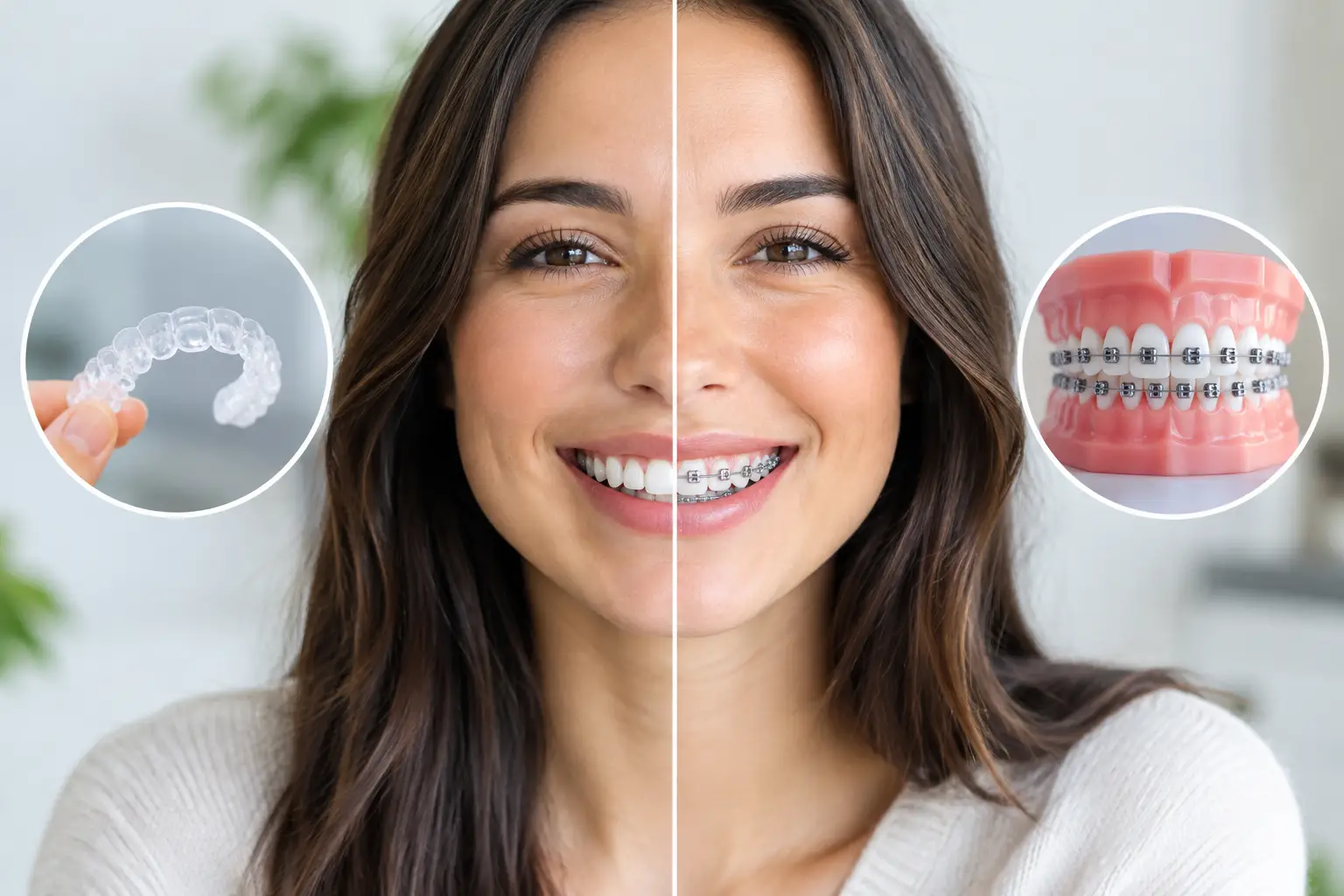
Traditional braces use brackets attached to the teeth and a wire that is adjusted over time to guide teeth into position. Clear aligner treatment uses a series of custom, removable trays. Each set of aligners applies gentle pressure and is typically worn for a prescribed period before moving to the next set.
The most noticeable difference is visibility. Clear aligners are designed to be discreet, which can appeal to working professionals, students, and adults who want orthodontic treatment with less visual impact. Braces are more visible, although ceramic brackets can offer a less noticeable alternative to conventional metal braces.
Appearance, however, should not make the decision on its own. Braces and aligners move teeth differently, and certain bite concerns respond more predictably to one approach than the other.
When Clear Aligners May Be a Good Fit
Clear aligners can be an excellent option for many patients with mild to moderate crowding, spacing, or alignment concerns. They may also be used for some more complex cases when treatment is carefully planned and the patient is consistent with wear.
Because the aligners are removable, you can take them out for meals and brush and floss as usual. That convenience is particularly valuable for people with busy schedules, frequent client meetings, or a preference for fewer food restrictions. There is no need to avoid popcorn, nuts, chewy candy, or crunchy foods simply because you are in orthodontic treatment.
Comfort is another reason patients consider aligners. There are no brackets or wires rubbing against the cheeks and lips. You may feel pressure for a day or two when starting a new set of trays, but this is often manageable and can be a reassuring sign that the aligners are doing their job.
Clear aligners do require commitment. Most treatment plans require wearing them about 20 to 22 hours each day. They should only be removed for eating, drinking anything other than water, and oral hygiene. If trays are left out too often or misplaced, treatment can slow down and results may be less predictable.
Clear aligners may be less suitable when
Some cases involve significant jaw discrepancies, severely rotated teeth, impacted teeth, or complex bite correction. In these situations, braces may give your dentist more direct control over tooth movement. Clear aligners can sometimes still be part of the plan, but additional tools, attachments, or refinements may be needed.
A patient who knows they will struggle to wear aligners consistently may also do better with braces. Braces work continuously because they remain in place. For children and teens, this can remove the daily responsibility of remembering to put trays back in after meals.
When Braces May Be the Better Choice
Braces remain a highly effective, reliable option for correcting a broad range of orthodontic concerns. They can be especially helpful for more complex crowding, substantial bite issues, difficult tooth rotations, and cases where precise control is needed throughout treatment.
Since braces are fixed to the teeth, they do not rely on daily wear-time decisions. This can make them a practical choice for patients who want a treatment system that is always working in the background. Regular adjustment appointments allow the dental team to monitor progress and make changes as needed.
Braces are not limited to teenagers. Adults choose them every day, particularly when their treatment needs are more complex or when they prefer a fixed approach. Modern orthodontic options may include smaller brackets or tooth-colored ceramic brackets, depending on the case and treatment recommendations.
The trade-off is that braces require more attention during eating and cleaning. Foods that are hard, sticky, or crunchy can damage brackets or wires. Brushing around brackets takes patience, and flossing often requires special tools or techniques. Consistent hygiene is essential to reduce the risk of plaque buildup, gum inflammation, or white spots on the enamel.
Comfort, Convenience, and Daily Life
Neither option is completely effortless. Clear aligners need to be removed, cleaned, and stored safely. Braces need careful brushing and occasional attention if a wire or bracket becomes uncomfortable.
For many adults, the deciding factor is convenience in social and professional settings. Aligners can be removed for a meal, a presentation, or a special event, although they should be returned promptly. Braces stay on at all times, so there is no risk of losing them, but they are always visible and may require a brief adjustment period for speech and eating.
If dental anxiety is part of your experience, discuss it during your consultation. A compassionate dental team can explain each step clearly, use digital planning tools to show what treatment may involve, and help make orthodontic visits feel more manageable.
Treatment Time and Results
Treatment time varies widely. Some minor alignment cases may take months, while more involved orthodontic treatment may take 18 to 24 months or longer. It is not accurate to assume that Invisalign is always faster than braces, or that braces always take longer.
The timeline depends on the movements required, the health of your teeth and gums, how your bite responds, and your consistency with care. With clear aligners, wearing trays as directed is crucial. With braces, attending adjustment appointments and protecting the brackets from damage helps keep treatment on track.
After either treatment, retainers are essential. Teeth naturally have a tendency to shift over time, especially in the months immediately following orthodontic care. Wearing your retainer as instructed protects the time, effort, and investment you have made in your smile.
Cost and Insurance Considerations
The cost of Invisalign and braces can overlap, particularly when cases are similar in complexity. A simpler aligner case may cost less than extensive braces treatment, while a complex aligner plan with multiple refinements may cost more. The most useful number is not a generic online price range but a personalized estimate based on your needs.
Insurance coverage varies by plan. Some dental plans include orthodontic benefits with a lifetime maximum, while others may not cover adult orthodontics. Ask about direct insurance billing, available payment options, and what is included in the quoted treatment fee. This may include records, appliances, follow-up appointments, refinements, and retainers, but details differ by provider.
At Yonge and Bloor Dental Care, treatment planning is centered on clear recommendations and practical conversations about your oral health, goals, and financial options.
How to Choose Between Invisalign and Braces
Start with the result you need, rather than the appliance you prefer. If your main concern is a small gap or mild crowding, clear aligners may offer the discreet flexibility you want. If you have a complex bite concern or need significant tooth movement, braces may offer the most dependable route to a healthy result.
Your lifestyle matters too. Consider whether you can reliably wear removable aligners nearly all day, whether you are comfortable with food restrictions, and how much time you can devote to cleaning. Be open about past dental experiences, sensitivity, and any worries about treatment. A good recommendation should account for the person behind the smile, not just the alignment of the teeth.
A consultation gives you the opportunity to see what is clinically possible and ask direct questions about expected timing, comfort, maintenance, and fees. The right orthodontic option is the one that can safely achieve your goals and feels realistic to maintain every day. With a thoughtful plan and consistent follow-through, either path can bring you closer to a smile that feels as good as it looks.