A smile makeover is rarely about making every tooth look identical or creating a blindingly white result. The most meaningful smile makeover before after examples show something more personal: a smile that looks healthy, balanced, and comfortable for the person wearing it. For one patient, that may mean repairing a single chipped front tooth. For another, it may mean restoring worn teeth so they can eat, speak, and smile with confidence again.
At Yonge and Bloor Dental Care, cosmetic treatment begins with listening. Your concerns, oral health, facial features, bite, timeline, and comfort all shape the plan. Before-and-after photos can be helpful inspiration, but they are not a promise that one person’s treatment is right for another.
What a Smile Makeover Can Change
A smile makeover is a customized combination of treatments designed to improve the appearance of teeth and gums while respecting function and long-term oral health. Some makeovers are completed with one conservative treatment, while others involve several steps over months.
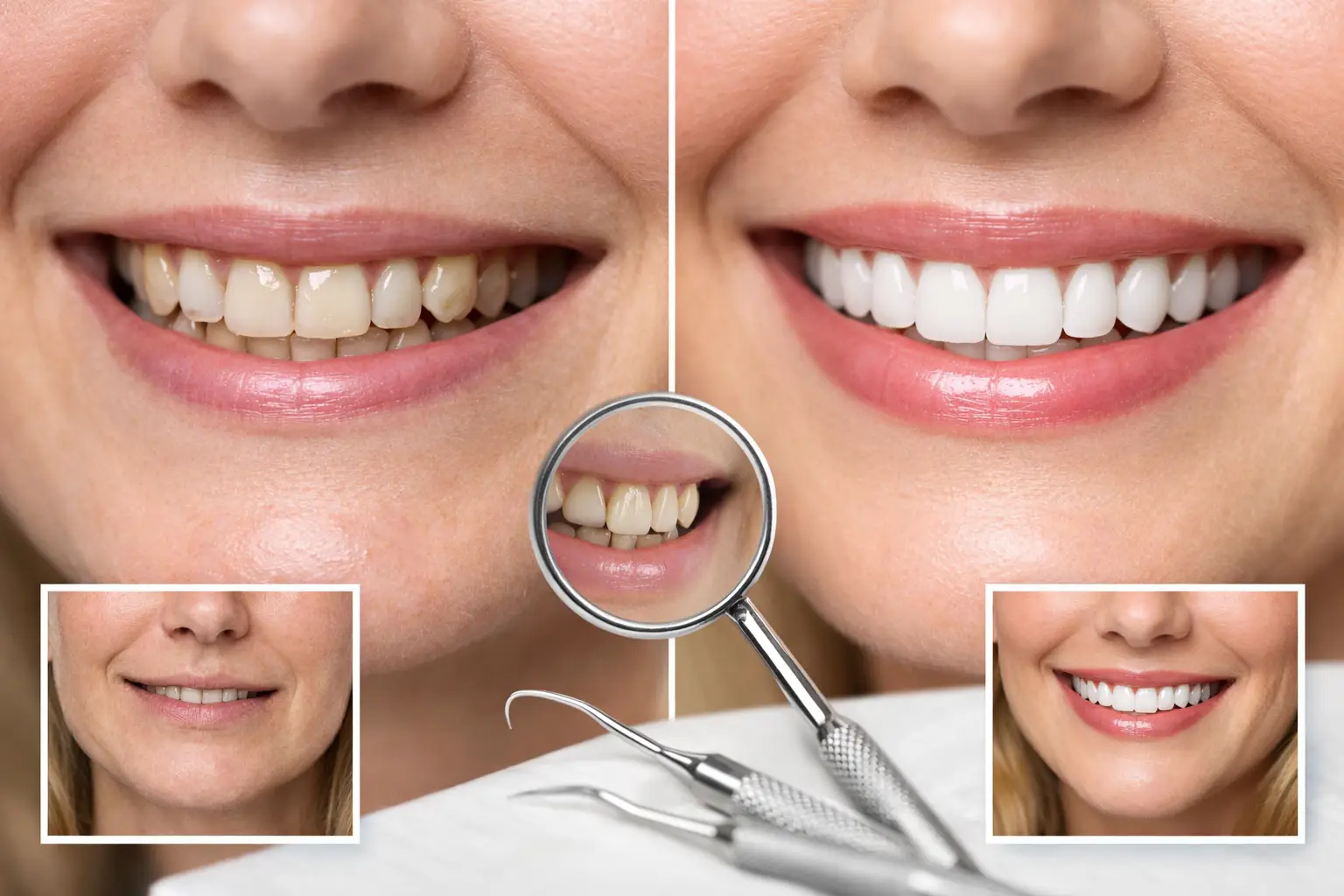
The “before” may include stains that do not respond well to over-the-counter whitening, uneven edges, old bonding, visible fillings, gaps, crowding, gum unevenness, or teeth that look short from wear. The “after” should not only look refreshed. It should also feel natural when you bite, talk, and laugh.
Good cosmetic dentistry does not ignore underlying concerns for the sake of a quick visual result. If there is decay, gum disease, an infection, cracked teeth, or an unstable bite, those issues need attention first. This approach can lengthen treatment, but it helps protect the investment you make in your smile.
Smile Makeover Before and After Examples by Concern
The following examples illustrate common treatment paths. Your own plan may be simpler, more extensive, or use different materials depending on your dental health and goals.
Example 1: Dull or Yellow Teeth Before, Brighter Smile After
A patient may feel their teeth look yellow despite consistent brushing and routine cleanings. Coffee, tea, red wine, tobacco, natural aging, and certain medications can change tooth color over time. In many cases, professional whitening is the first step because it is conservative and can brighten healthy natural enamel without changing the shape of the teeth.
The before-and-after difference may be subtle and polished rather than dramatic. A natural-looking shade is often the best choice, especially when existing crowns, veneers, or fillings are visible. Whitening will not change the color of these restorations, so they may need to be replaced afterward if a close color match is important.
Example 2: A Chipped Front Tooth Before, a Balanced Edge After
A small chip on a front tooth can draw attention every time you look in a mirror or appear in a photo. It may result from an accidental fall, biting a hard object, or gradual wear. If the tooth is otherwise healthy, cosmetic bonding can often rebuild the missing area in a single visit.
In the after result, the goal is not simply to add material. The dentist considers the tooth’s translucency, contours, neighboring teeth, and how the edge meets the opposing teeth. Bonding is conservative and cost-conscious, but it can stain or chip over time and may need touch-ups. For larger damage or more extensive color concerns, a veneer or crown may offer a more durable option.
Example 3: Uneven Spacing Before, More Even Proportions After
Small gaps between front teeth can be a feature people like, while others feel they distract from an otherwise healthy smile. The right treatment depends on why the spaces are there and how much room needs to be managed.
For minor spacing, dental bonding or veneers may create a more even appearance. When crowding, bite alignment, or broader spacing affects the smile, clear aligner treatment may be a better foundation. Orthodontic treatment takes longer than bonding, but it moves the teeth rather than making them wider to fill space. That distinction matters because teeth that are made too wide can look less natural and may be harder to clean.
Example 4: Worn, Short Teeth Before, Restored Function After
Teeth can gradually become shorter, flatter, or more uneven from grinding, clenching, acid erosion, or years of normal use. Some patients first notice this when their front teeth look less visible in photos or when old fillings begin to fracture.
The after result may involve bonding, veneers, crowns, or a combination of restorative treatments. However, restoring worn teeth is not only a cosmetic decision. The dentist must evaluate your bite and the cause of the wear. If nighttime grinding is involved, a custom night guard may be recommended to help protect the new restorations. Treating the appearance without addressing the force on the teeth can lead to repeat damage.
Example 5: Old Dental Work Before, a More Consistent Smile After
Older crowns, fillings, and bonding can darken, chip, or no longer match surrounding enamel. A patient may have healthy teeth overall but feel self-conscious about a gray edge near a crown, mismatched front teeth, or visible metal fillings.
A smile makeover in this situation may involve replacing selected restorations with modern, tooth-colored materials. Digital imaging and digital smile design can help plan the shape, shade, and proportion of visible teeth before treatment begins. The goal is a result that blends into the smile, not a collection of teeth that each look slightly different.
Example 6: Missing Tooth Before, Complete Smile After
A missing tooth can affect more than appearance. Nearby teeth may shift, chewing can become less comfortable, and the bone in the area may gradually change. Depending on the location and your oral health, treatment may include a dental implant with a crown, a fixed bridge, or a removable option.
An implant-supported tooth can closely resemble a natural tooth and does not require reshaping adjacent healthy teeth. Still, implants are a process, not a same-day cosmetic shortcut for every patient. Healing time, bone health, gum health, and medical history all matter. A bridge may be appropriate in some circumstances, particularly when neighboring teeth already need crowns.
Why the Best Before-and-After Results Look Personal
The most convincing smile makeover before and after examples do not follow one formula. A bright, square smile may suit one person and look out of place on another. Factors such as facial shape, lip movement, skin tone, tooth proportions, age, and personal preference all influence a thoughtful design.
A consultation should include a conversation about what you notice first when you smile and what you would prefer to keep. Some patients want a noticeable change; others want friends to say they look well-rested without knowing exactly why. Both goals are valid.
Digital smile design can make these conversations clearer by helping patients visualize possible changes and participate in the planning process. It is a useful planning tool, but it does not replace a clinical exam. Healthy gums, a stable bite, and sound tooth structure remain the foundation of an attractive result.
Questions to Ask Before Starting Treatment
Before moving forward, ask what treatment is recommended and why, what alternatives exist, how long the result is expected to last, and what maintenance will be needed. It is also reasonable to ask whether a more conservative approach could meet your goals.
For example, whitening and bonding may be appropriate for modest cosmetic changes, while veneers can provide more control over shape and color. Crowns may be necessary when a tooth is significantly weakened, but they generally require more tooth preparation than a veneer. There is no single “best” treatment without examining the teeth, gums, and bite.
Cost and timing also deserve a clear discussion. A phased plan can make treatment more manageable. You might begin by improving gum health and whitening, then decide later whether bonding, veneers, or restorative work is still needed. This allows you to see how much improvement conservative care can provide before committing to more extensive treatment.
Caring for Your New Smile
A makeover is maintained with everyday habits: brush twice daily with fluoride toothpaste, clean between teeth, attend routine checkups and cleanings, and use a night guard if grinding is a concern. Limit habits that place excess force on teeth, such as opening packages with your teeth or chewing ice.
If you are considering a change, bring a few reference photos to your consultation and describe what you like about them. The most helpful next step is a personalized conversation that turns inspiration into a plan designed for your health, comfort, and real life.