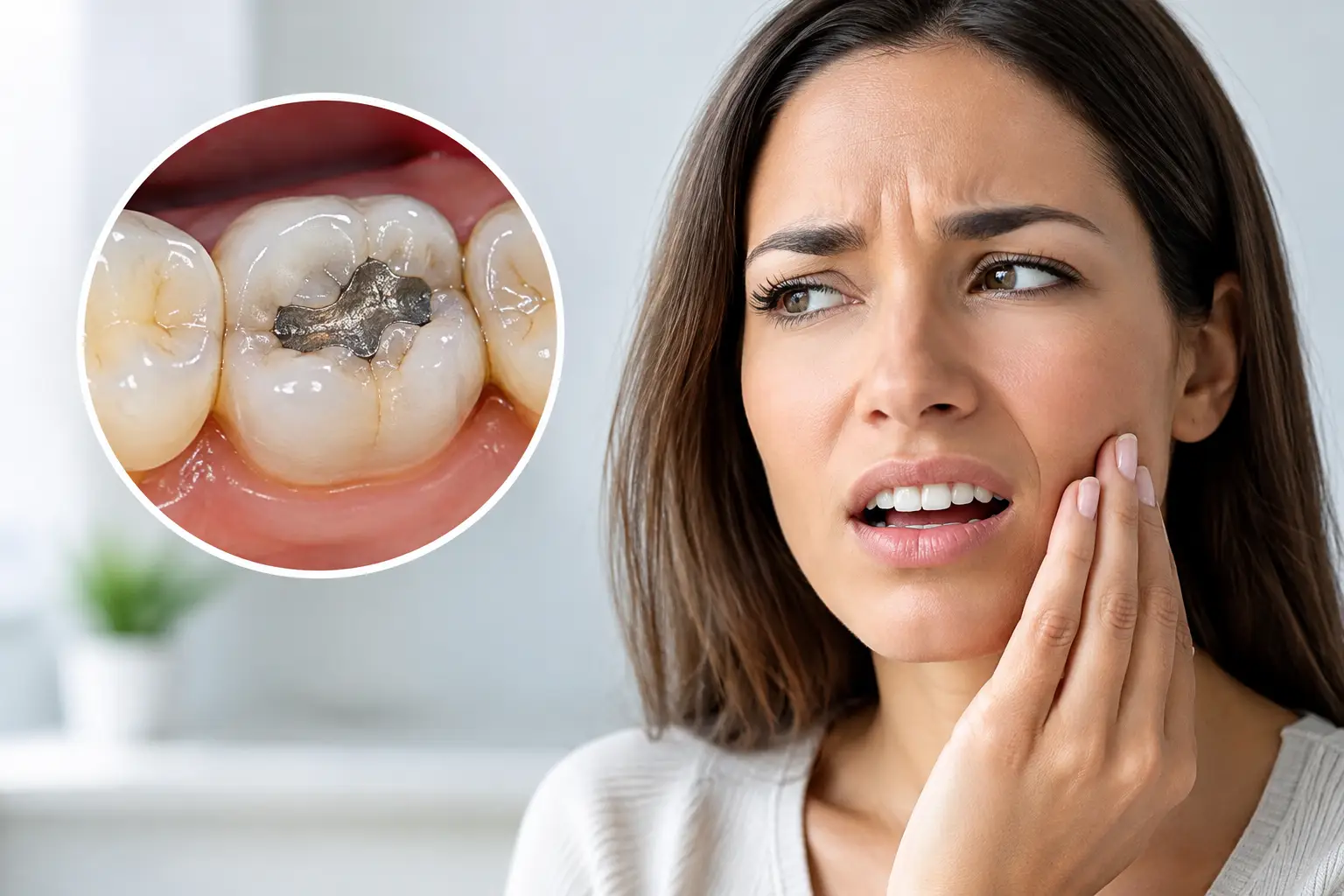
A filling that feels loose can be surprisingly distracting. You may notice a rough edge with your tongue, sensitivity when you drink something cold, food catching around the tooth, or a change in the way you bite. If you are wondering what causes loose dental fillings, the short answer is that the seal between the filling and tooth has weakened, or the tooth supporting it has changed. It is a common issue, and prompt, gentle dental care can usually prevent it from becoming a more complicated problem.
What a loose filling actually means
A dental filling repairs a tooth after decay or minor damage has been removed. It is designed to restore the tooth’s shape and keep bacteria from entering the inner areas of the tooth. Fillings are durable, but they are not permanent. Over time, the filling material, the bonding layer, or the natural tooth around it can wear down.
A filling may feel loose even when it has not fallen out. Sometimes a tiny gap has formed at the edge, allowing food, liquids, and bacteria to enter. In other cases, a section of the tooth or filling has fractured. Because problems beneath or around a filling are not always visible in a mirror, an examination and digital X-rays may be needed to identify the cause accurately.
What causes loose dental fillings?
Several factors can lead to a filling becoming loose. The cause matters because the right treatment may range from replacing a small filling to treating new decay or repairing a cracked tooth.
Normal wear over time
Every time you chew, your teeth and restorations absorb force. Over years, this pressure can wear down the edges of a filling and weaken its bond to the tooth. Large fillings, fillings on back teeth, and fillings in areas that receive heavy chewing force can be more likely to wear out.
Different materials also age differently. Tooth-colored composite fillings can look natural and bond well to enamel, while other restorative materials may be selected based on the tooth, the size of the repair, and your bite. No material is immune to wear, which is why routine exams are useful even when a filling seems fine.
New decay around the filling
A filling protects the part of the tooth it covers, but bacteria can still collect at its edges. If plaque remains there long enough, decay can develop where the filling meets the tooth. This is sometimes called recurrent decay.
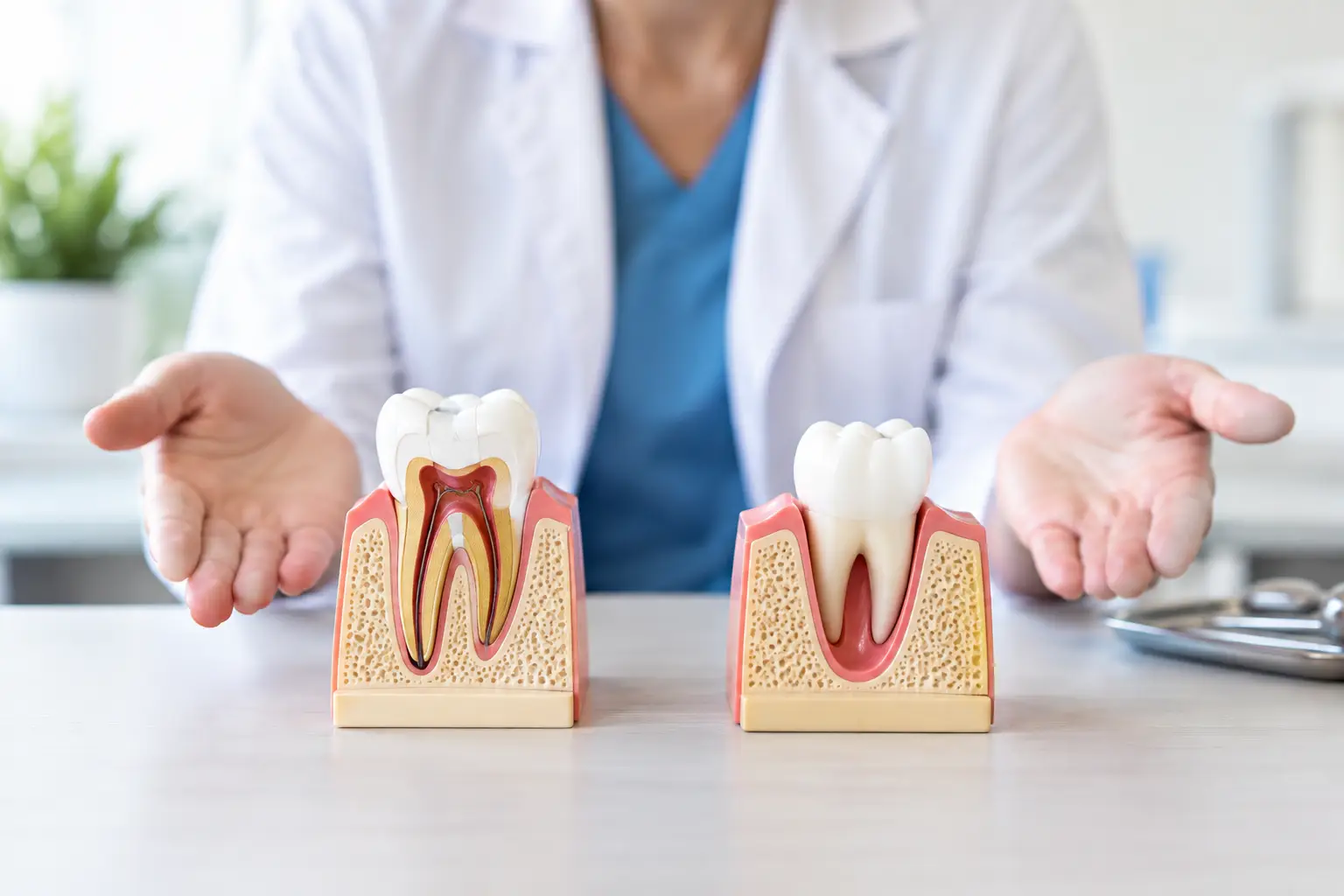
As decay weakens the tooth structure, the filling can lose its support and shift or loosen. This is one reason a loose filling should not be ignored simply because there is no pain. Early decay around a restoration may be manageable with a new filling, while deeper decay can reach the nerve and require root canal treatment and a crown.
Biting force, clenching, and grinding
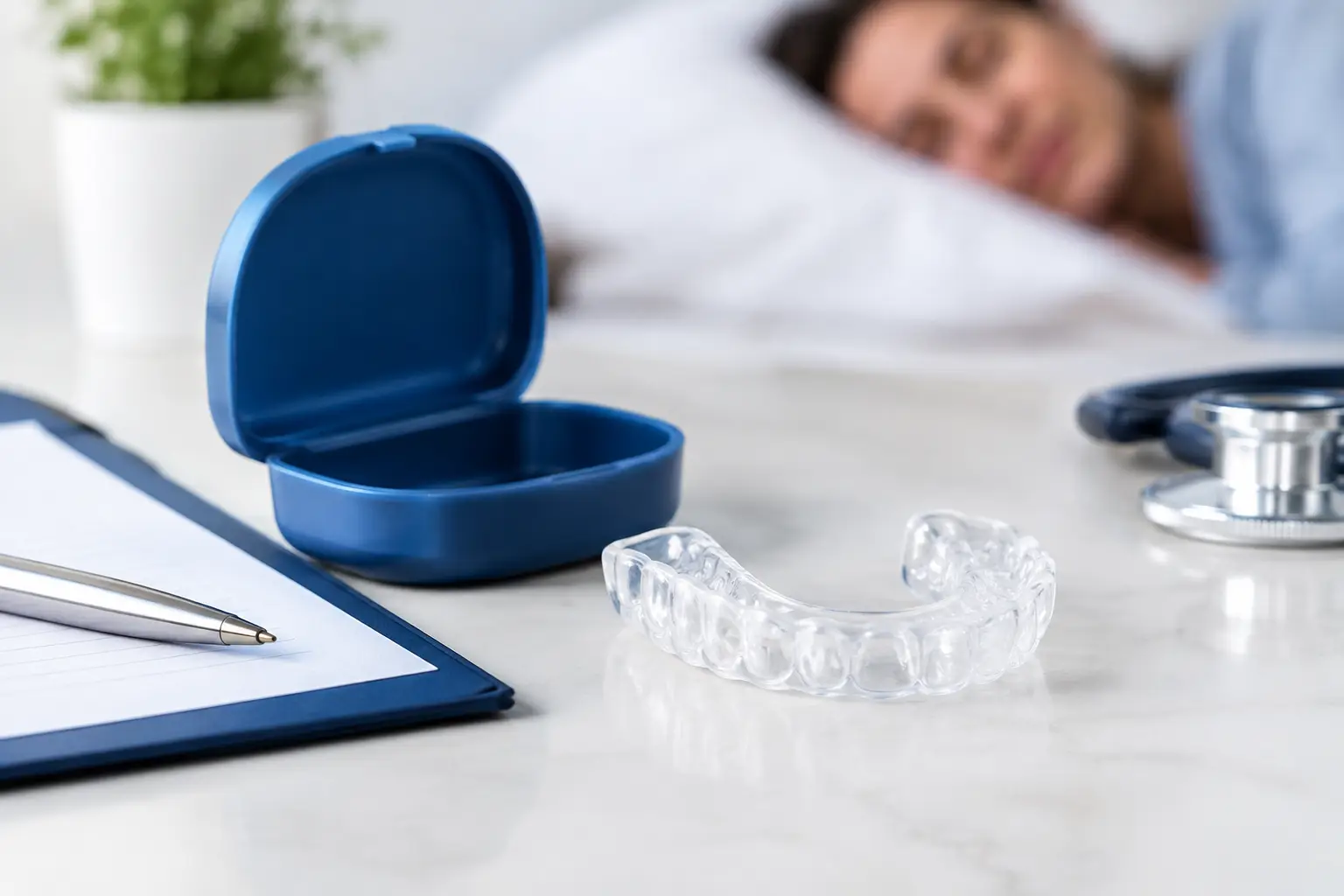
Clenching your jaw or grinding your teeth, often during sleep, places repeated stress on fillings. You may not realize you do it until you develop jaw tension, morning headaches, worn teeth, or chipped restorations. A single bite on a hard object can also crack a filling or the tooth beneath it.
If heavy bite pressure is contributing to repeated filling problems, replacing the filling alone may not be enough. Your dentist may check how your teeth come together and discuss options such as a custom night guard, bite adjustment when appropriate, or a stronger restoration for a heavily damaged tooth.
A cracked or weakened tooth
Teeth can develop small cracks from aging, large old fillings, trauma, or years of chewing pressure. When the tooth flexes around a crack, the filling may no longer fit tightly. You might feel a sharp sensation when biting down or when releasing a bite, although symptoms can come and go.
A crack does not always mean the tooth must be removed. It depends on its location and depth. A crown may help hold a weakened tooth together when enough healthy structure remains, while more extensive cracks need a carefully tailored treatment plan.
Moisture or bonding issues during placement
Modern dental bonding techniques are highly reliable, but a filling needs a clean, well-isolated surface to bond properly. Saliva, difficult-to-reach tooth locations, or the condition of the remaining tooth structure can affect long-term retention. A filling may also fail sooner if it was placed in a tooth with extensive damage and not enough enamel left to support it.
This does not automatically mean anything was done incorrectly. Restorative dentistry involves biological factors that vary from tooth to tooth. A dentist can assess whether a new filling is suitable or whether the tooth would benefit from a more protective option, such as an inlay, onlay, or crown.
Changes in the tooth or old restoration
Teeth and fillings do not expand, contract, and wear at exactly the same rate. Temperature changes, aging enamel, and gradual changes in the bite can affect the margins of an older restoration. If you have dry mouth from medication, health conditions, or reduced saliva flow, the risk of decay around fillings can also rise because saliva normally helps rinse away food particles and neutralize acids.
Signs you should schedule a dental visit soon
A filling that feels different deserves attention, even if it is still partly in place. Schedule an appointment promptly if you notice looseness, a sharp or broken edge, sensitivity to hot, cold, or sweets, pain when chewing, food repeatedly getting trapped, or a visible dark line around the filling.
Call for urgent dental care if the filling falls out and leaves a painful opening, you have swelling of the gum or face, a persistent toothache, fever, a bad taste that may signal drainage, or a broken tooth. These symptoms can indicate infection or deeper damage that should be assessed without delay.
What to do if a filling feels loose
Try not to chew on that side of your mouth until you are seen. Choose softer foods, avoid sticky candy and hard foods such as ice or nuts, and brush carefully with a soft-bristled toothbrush. Floss gently, but do not pull floss upward through a loose filling. Slide it out through the side of the contact instead.
If the filling has come out completely, keep it if you can and bring it to your appointment. Rinse your mouth with warm water and cover any sharp edge with dental wax if available. Over-the-counter pain medication may help when used as directed, but do not place aspirin or other medication directly against the tooth or gum.
Temporary filling repair products from a pharmacy can cover an opening for a short time when you cannot be seen immediately. They are not a replacement for professional care, and they should not delay an appointment. Avoid household glue or attempts to cement a filling back into place. These materials are not safe for use in the mouth and can make a proper repair more difficult.
How dentists treat a loose filling
Your dentist will first examine the tooth, surrounding gums, and bite. Digital X-rays may help reveal decay beneath the filling, changes near the nerve, or damage between teeth that cannot be seen directly. The goal is not simply to put material back where it was, but to determine why the filling loosened and preserve as much healthy tooth structure as possible.
When the tooth is otherwise healthy, treatment may involve removing the old filling and placing a new one. If the filling is large, the tooth is cracked, or there is not enough strong tooth structure left, an onlay or crown may offer better protection. If decay or a crack has reached the dental pulp, root canal treatment may be recommended before restoring the tooth.
At Yonge and Bloor Dental Care, treatment planning is designed to be clear and patient-centered. You should understand what the examination shows, which options fit your tooth, and what care is needed now versus what can be monitored. For patients who feel anxious about dental treatment, a comfort-focused approach can make an unexpected repair feel far more manageable.
Can you prevent fillings from loosening?
You cannot prevent every restoration from aging, but consistent habits can reduce the risk of early failure. Brush twice daily with fluoride toothpaste, clean between your teeth each day, and keep regular dental checkups and cleanings. These visits allow a dentist to identify small gaps, worn edges, and early decay before a filling breaks or causes pain.
If you grind or clench, addressing it can protect both your fillings and your natural teeth. Limiting frequent sugary snacks and acidic drinks also helps, especially if you are prone to decay or dry mouth. The right preventive plan depends on your oral health history, the size and location of your fillings, and your daily habits.
A loose filling is not something to panic about, but it is your tooth asking for attention. Having it checked early can often mean a simpler repair, less discomfort, and a better chance of keeping the tooth healthy for years to come.