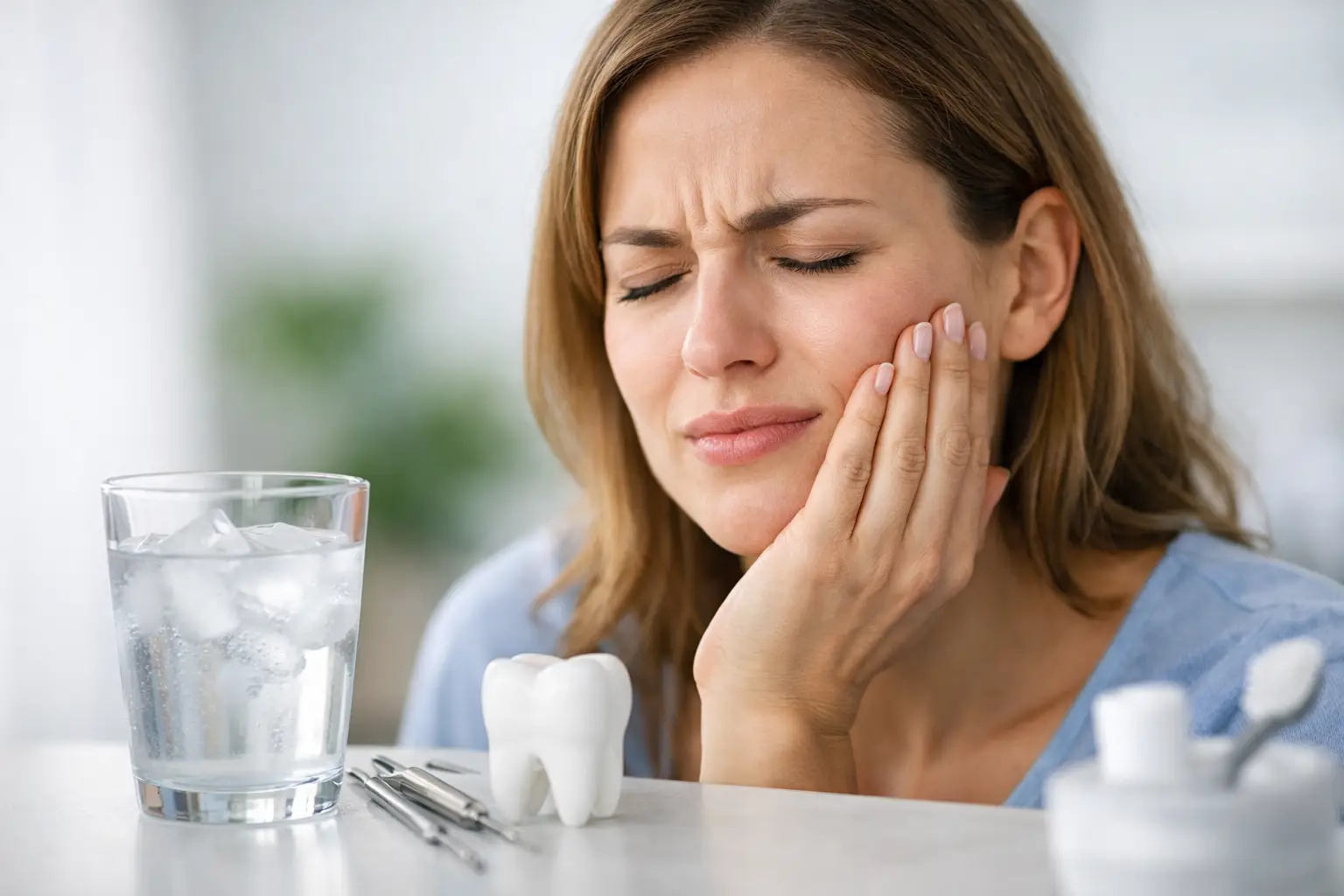

A tooth can feel perfectly normal at breakfast and become impossible to ignore by lunchtime. If you are wondering why teeth hurt, the answer may be as simple as temporary sensitivity or as urgent as an infection. Pain is your mouth’s way of signaling that something needs attention. The location, timing, and type of discomfort can offer useful clues, but an examination is the only reliable way to identify the cause and protect the tooth.
Why teeth hurt: the most common causes
Tooth pain is not always caused by a visible cavity. Teeth, gums, jaw muscles, and sinuses all sit close together, so discomfort can sometimes feel like it is coming from the wrong place. A dentist uses your symptoms, X-rays, and a careful exam to narrow it down.
Cavities and early tooth decay
Decay begins when bacteria in plaque feed on sugars and produce acids that weaken enamel. In its early stages, a cavity may cause no symptoms at all. As it progresses deeper, you may notice a sharp feeling with sweets, cold drinks, or biting down.
Once decay reaches the inner portion of the tooth, where the nerve lives, pain can become more persistent. A small cavity can often be restored with a filling. Waiting until pain is severe may mean the tooth needs more extensive treatment, such as a crown or root canal.
Cracks, chips, and damaged fillings
A cracked tooth may hurt only when you release your bite after chewing. That makes it easy to miss, especially if the crack is small or below the gumline. Biting hard foods, clenching, grinding, or an old filling that no longer supports the tooth can all contribute.
A chipped tooth does not always hurt, but it can expose sensitive inner layers or create a sharp edge that irritates your tongue or cheek. Lost fillings and loose crowns also leave the tooth vulnerable to temperature changes, bacteria, and further breakage.
Gum disease and gum irritation
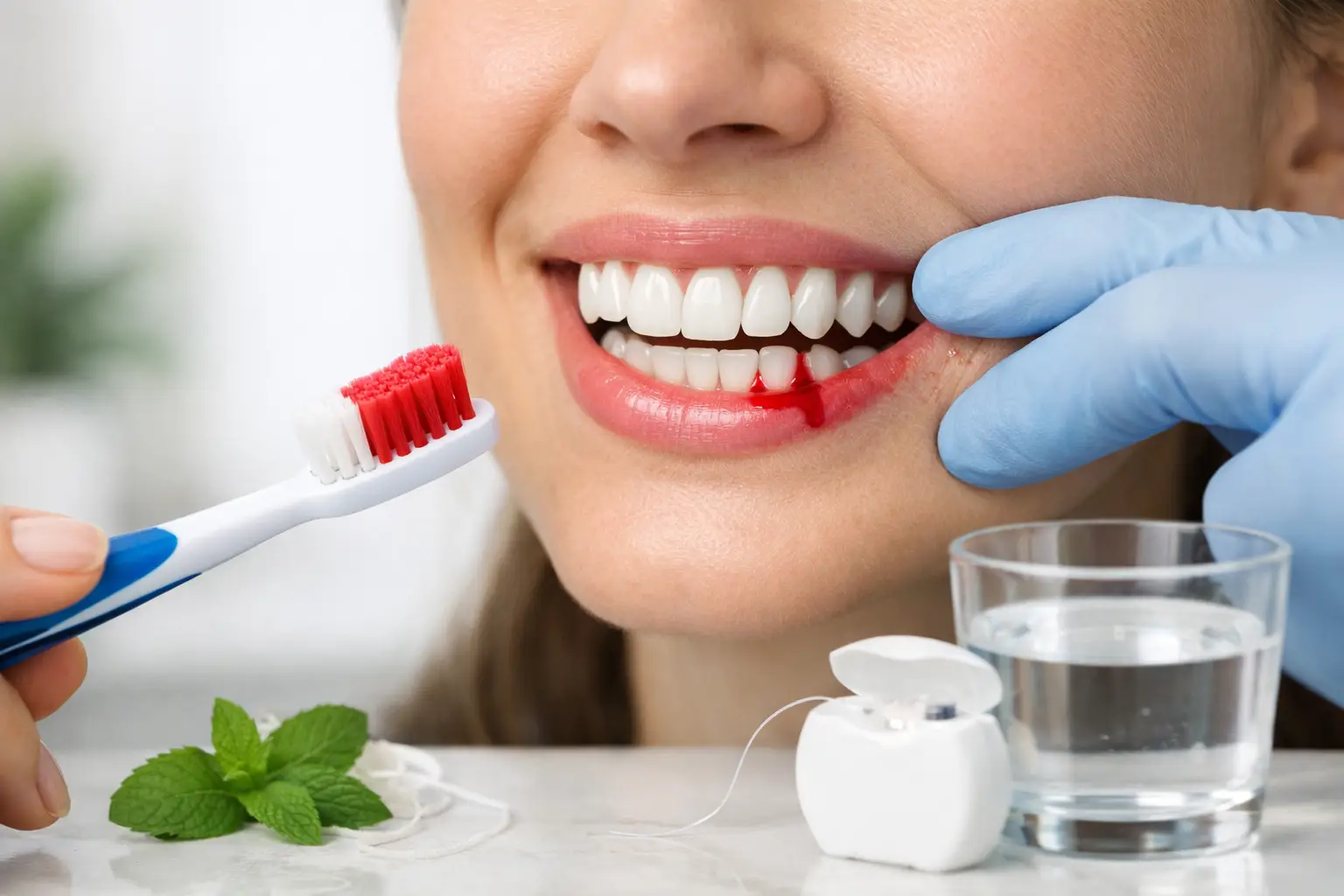
Pain that feels like it is around the tooth rather than inside it may come from the gums. Gingivitis can cause bleeding, tenderness, and swelling. More advanced gum disease can affect the bone and tissues that support your teeth, sometimes leading to loose teeth, changes in your bite, or a dull ache.
Food trapped between teeth, a piece of popcorn hull, or brushing too aggressively can also make one small area sore. If bleeding or tenderness lasts more than a few days, it deserves a professional evaluation rather than guesswork at home.
Infection or dental abscess
A deep cavity, crack, or untreated gum problem can allow bacteria to reach the nerve and surrounding tissues. An infection may cause throbbing pain, sensitivity to heat, pain when biting, a pimple-like bump on the gums, or swelling in the face or jaw.
Sometimes an infected tooth stops hurting because the nerve has died. That does not mean the problem has resolved. Infection can remain active around the root and may spread without treatment. Root canal treatment can often remove the infection while preserving the natural tooth.
Tooth sensitivity
Brief discomfort from cold water, hot coffee, sweets, or brushing is often linked to exposed dentin, the layer beneath enamel. Receding gums, enamel wear, aggressive brushing, acid erosion, and whitening treatments can all contribute.
Sensitivity can be manageable with a dentist-recommended toothpaste and adjustments to your routine, but it should not be automatically dismissed. New or worsening sensitivity can also be a sign of decay, a crack, or a failing restoration.
Grinding, clenching, and jaw strain
Many people clench or grind their teeth during sleep, while working at a screen, or during stressful periods without realizing it. The result may be a sore tooth, jaw tightness, morning headaches, flattened tooth edges, or pain when chewing.
A custom night guard may help protect teeth for people who grind at night. The right approach depends on the condition of your teeth, your bite, and whether jaw-joint concerns are also present. A store-bought guard is not always a suitable substitute for a properly fitted device.
Pain that is not actually from a tooth
Sinus pressure can create an aching sensation in the upper back teeth, particularly during a cold or seasonal allergies. Jaw joint problems and nerve-related pain can also mimic tooth pain. This is one reason a thorough dental assessment matters: treating the wrong tooth will not solve the discomfort.
What the type of pain can tell you
Patterns are helpful, but they are not a diagnosis. A quick, mild response to cold may point to sensitivity, while lingering pain after hot or cold foods can suggest deeper nerve irritation. Pain with chewing may be related to a crack, a high filling, inflammation around the root, or gum concerns.
A constant throbbing ache, swelling, a bad taste, or pain that interrupts sleep is more concerning. Dental pain can fluctuate, so a good day does not necessarily mean the problem is gone. Make note of what triggers it, how long it lasts, and whether the pain is getting worse. Those details help your dental team evaluate you efficiently.
What you can do before your dental visit
The goal at home is comfort, not a permanent fix. Rinse gently with warm salt water, brush and floss carefully to remove trapped debris, and avoid chewing on the painful side. Choose softer foods and avoid very hot, very cold, or sugary items if they trigger pain.
Over-the-counter pain relievers may help when used as directed on the label and when they are safe for you based on your health history and other medications. Do not place aspirin, alcohol, or topical numbing products directly on the gum or tooth. These remedies can irritate or burn oral tissues and delay appropriate care.
If a crown or filling has come loose, keep it if you can and bring it to your appointment. Avoid using household glue to put it back. A temporary dental repair product may offer short-term coverage in some situations, but it should not replace timely professional treatment.
When tooth pain is a dental emergency
Not every toothache requires same-day care, but some symptoms should never wait. Contact a dentist promptly if you have:
- facial, jaw, or gum swelling
- fever, chills, or feeling generally unwell alongside dental pain
- trouble swallowing, breathing, or opening your mouth normally
- severe pain that is worsening or keeping you awake
- uncontrolled bleeding, a knocked-out tooth, or a major tooth fracture
Difficulty breathing or swallowing, rapidly increasing swelling, or swelling near the eye or neck requires emergency medical attention. Dental infections can become serious when they spread beyond the tooth.
For less severe but persistent discomfort, scheduling a visit soon is still the practical choice. Early treatment is usually simpler, more comfortable, and more conservative than waiting for pain to become an emergency.
How a dentist finds the cause and protects your smile
A modern dental visit for tooth pain should feel focused and clear. Your dentist may check the tooth’s response to temperature or pressure, examine the gums and bite, and take digital X-rays to look below the surface. You should leave knowing what is causing the pain, what treatment is recommended, and what alternatives may be available.
Treatment is tailored to the problem. It may involve a filling for decay, a crown to stabilize a weakened tooth, periodontal care for gum disease, root canal treatment for an infected nerve, or an extraction when a tooth cannot be predictably saved. Replacing a missing tooth with an implant or another restoration can then help maintain chewing function and prevent neighboring teeth from shifting.
For people who feel anxious about dental treatment, comfort-focused care can make a meaningful difference. Let the team know if you have had difficult experiences, a strong gag reflex, or fear around injections or sounds. Gentle techniques, clear communication, breaks, and sedation options when appropriate can help you receive care without feeling rushed or judged.
At Yonge and Bloor Dental Care, the focus is on understanding the source of pain and creating a personalized plan that supports both immediate relief and long-term oral health. If a tooth has been asking for attention, listening early can make all the difference.