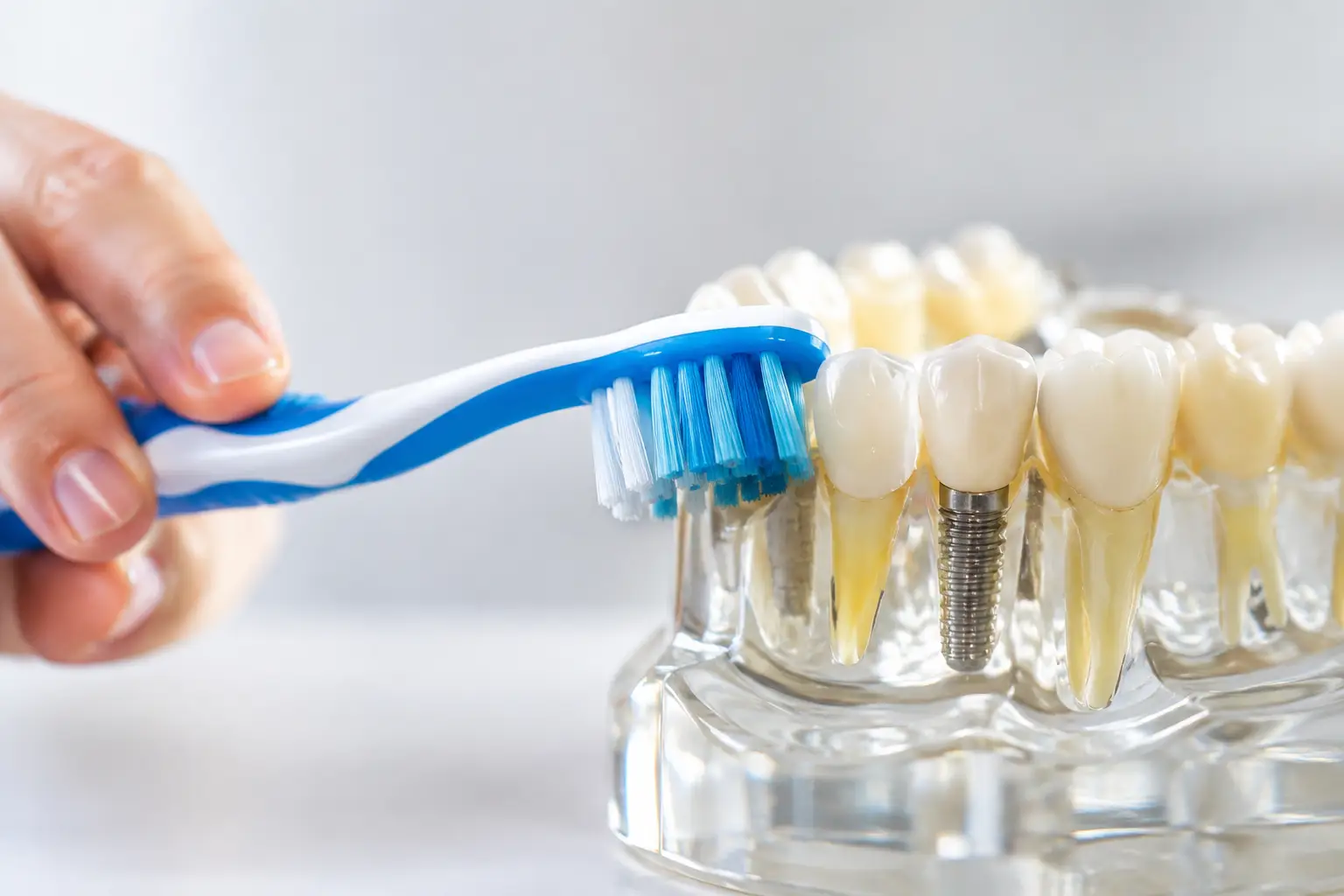

A cold sip of water should feel refreshing, not like a sharp shock in one tooth. If you have found yourself avoiding ice cream, hot coffee, or brushing a certain area, you may be asking: what causes tooth sensitivity? The answer is not always the same for every patient. Sensitivity can come from everyday enamel wear, gum changes, a damaged tooth, or a problem that needs prompt dental attention.
The good news is that tooth sensitivity is often manageable once the cause is identified. A personalized dental exam can distinguish temporary irritation from a cavity, crack, infection, or gum condition, so treatment can focus on the source of the discomfort rather than simply covering it up.
What Causes Tooth Sensitivity?
Each tooth has a hard outer layer called enamel. Below the gumline, the root is covered by a thinner material called cementum. Under both layers is dentin, which contains tiny channels leading toward the tooth’s nerve. When enamel or root covering becomes thinner or exposed, hot, cold, sweet, acidic, or even air can travel through those channels and trigger pain.
Sensitivity may be brief and mild, or it may be sharp enough to interrupt meals and brushing. The pattern matters. Discomfort in several teeth after cold drinks can point to generalized enamel wear or gum recession, while sudden pain in one tooth may indicate a cavity, fracture, loose filling, or infection.
Enamel erosion and everyday wear
Frequent exposure to acidic foods and drinks can gradually soften and wear away enamel. Sparkling beverages, citrus, sports drinks, wine, and frequent snacking can all contribute. Acid reflux can also affect the teeth, sometimes without obvious heartburn symptoms.
Brushing too hard is another common contributor. A firm toothbrush and aggressive side-to-side scrubbing may wear enamel near the gumline and irritate the gums. Good brushing is thorough, not forceful. A soft-bristled brush, gentle pressure, and a fluoride toothpaste usually provide effective cleaning without unnecessary wear.
Teeth grinding or clenching can create similar problems. Many people clench during stressful workdays or grind while asleep without realizing it. Over time, that pressure can wear enamel, create tiny cracks, and make teeth more reactive to temperature changes. A custom night guard may be appropriate when grinding is a factor.
Gum recession and periodontal changes
When gums pull back from the tooth, they expose the root surface. Because roots do not have the same thick enamel protection as the crown of a tooth, they can become sensitive quickly.
Gum recession can develop from periodontal disease, brushing technique, genetics, tobacco use, or clenching. It may also occur gradually with age. You might notice that teeth look longer, or that sensitivity appears close to the gumline. Treating the underlying gum health concern is essential, especially if there is bleeding, swelling, persistent bad breath, or loose teeth.
Cavities, damaged fillings, and leaking restorations
A cavity can allow temperature and bacteria to move deeper into a tooth. Sensitivity to sweets, cold drinks, or biting may be an early warning sign, even when there is no visible hole. Existing fillings and crowns can also wear down, chip, or develop small gaps around their edges over time.
These concerns do not always cause constant pain. A tooth may only react when chewing on one side or when cold liquid reaches a specific spot. Digital imaging and a careful exam help identify whether a restoration needs repair or replacement before the problem becomes more extensive.
Cracked or fractured teeth
Small cracks can be difficult to see and may produce unpredictable symptoms. Some people feel a quick sting when releasing their bite after chewing, while others notice cold sensitivity that lingers longer than usual. A crack may result from grinding, biting something hard, a large older filling, injury, or normal wear over time.
A cracked tooth deserves timely attention. Depending on its location and depth, treatment may range from a protective restoration or crown to root canal treatment if the nerve has been affected. Early care can improve the chance of preserving the tooth.
Whitening products and recent dental treatment
Teeth whitening can temporarily increase sensitivity, particularly with stronger products or frequent use. This does not necessarily mean whitening is unsafe, but it does mean the approach should be adjusted for your teeth. A dental professional can recommend a gentler schedule, lower-strength option, or desensitizing products when appropriate.
Sensitivity can also occur briefly after a filling, crown, deep cleaning, or other dental treatment. The tooth and surrounding tissues may need time to settle. However, pain that becomes stronger, lasts longer than expected, wakes you at night, or makes it difficult to bite should be checked rather than ignored.
When Tooth Sensitivity May Need Urgent Care
Not every sensitive tooth is an emergency, but some symptoms suggest the nerve inside the tooth may be inflamed or infected. Contact a dentist promptly if sensitivity is severe, spontaneous, or lingering – especially if it lasts more than 30 seconds after a hot or cold trigger is removed.
You should also seek care for facial swelling, fever, a pimple-like bump on the gums, pain when biting, a broken tooth, or a tooth that has become noticeably darker. These symptoms can be associated with infection or trauma and may require prompt treatment to relieve pain and protect your overall health.
For patients with dental anxiety, discomfort can make it tempting to wait. Gentle, comfort-focused care and sedation options can make an urgent or routine visit feel far more manageable. The earlier the cause is assessed, the more conservative the treatment may be.
How Dentists Treat Sensitive Teeth
Treatment depends on the reason for the sensitivity. For mild generalized sensitivity, a dentist may recommend a desensitizing toothpaste with ingredients that help block sensation pathways in the dentin. Fluoride varnish or prescription-strength fluoride may also strengthen vulnerable areas and reduce discomfort.
If recession is exposing root surfaces, treatment may involve periodontal care, changes to brushing habits, or protective bonding over the sensitive area. If grinding is contributing, a custom night guard can reduce the force placed on teeth while you sleep.
When a cavity, crack, failing filling, or damaged crown is responsible, restoring the tooth is usually the most direct solution. If decay or a fracture has reached the nerve, root canal treatment may be needed to remove infection and save the tooth. Modern treatment planning is not one-size-fits-all. Your dentist should explain what they see, why it matters, and which options best support comfort, function, and long-term tooth health.
Small Changes That Can Help Between Visits
Until you can be evaluated, use a soft toothbrush and brush with light, circular motions. Choose a toothpaste made for sensitivity and avoid rinsing immediately after brushing so its active ingredients can remain on the teeth longer. If cold foods trigger pain, try consuming them at a less extreme temperature and avoid repeatedly testing the painful tooth.
It can also help to limit frequent acidic drinks and snacks. If you do have something acidic, rinse with water afterward and wait about 30 minutes before brushing. Brushing immediately after acid exposure can increase wear because enamel is temporarily softened.
Avoid using a sensitive tooth as a reason to stop brushing or flossing. Plaque buildup can worsen gum inflammation and decay, which may increase sensitivity over time. Instead, use a gentler technique and let your dental team know if cleaning a particular area is painful.
A Comfortable Next Step for Sensitive Teeth
Tooth sensitivity is your mouth’s way of asking for attention, not a discomfort you simply have to work around. Whether the cause is exposed roots, enamel wear, a small cavity, or a cracked tooth, a calm, thorough evaluation can give you clarity and a practical path toward eating, drinking, and smiling comfortably again.