Bleeding when you brush is easy to dismiss, especially when a busy morning leaves little time to think about it. But it is often one of the earliest signs that your gums need attention. Can gum disease be reversed? The honest answer depends on its stage: early gum disease can often be reversed, while advanced gum disease can be controlled and stabilized with professional care, but the bone and tissue already lost usually do not grow back on their own.
That distinction matters because gum disease is common, often painless at first, and closely connected to the health of your teeth. The sooner it is identified, the more conservative and comfortable treatment can be.
Can Gum Disease Be Reversed in Its Early Stage?
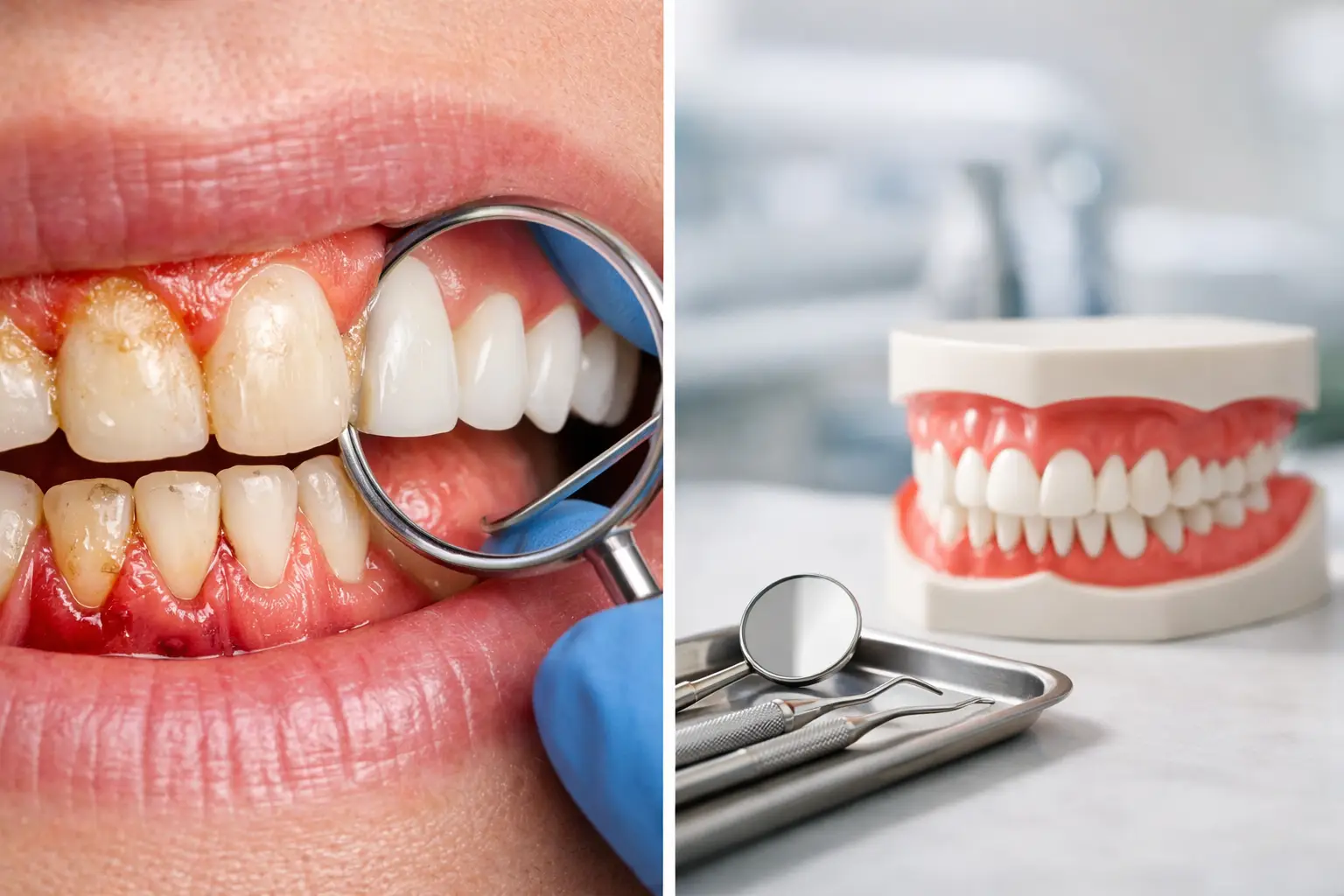
The first stage of gum disease is called gingivitis. It happens when plaque, a sticky film of bacteria, remains along the gumline. The gums become irritated and inflamed, which may cause redness, puffiness, tenderness, bad breath, or bleeding during brushing and flossing.
At this stage, the damage is limited to the gums. The supporting bone and connective tissues around the teeth have not yet been destroyed. With a professional cleaning and consistent home care, gingivitis can usually resolve. Healthy gums tend to look firmer and pinker, bleed less, and feel more comfortable within weeks.
Reversing gingivitis is not about brushing harder. Aggressive brushing can irritate the gums further or wear away enamel near the gumline. It is about removing plaque thoroughly and gently every day, while having hardened plaque deposits, called tartar or calculus, removed during a dental cleaning. Once tartar forms, a toothbrush and floss cannot remove it at home.
When Gum Disease Becomes Periodontitis
When gingivitis is left untreated, inflammation can spread below the gumline. The gums may begin to pull away from the teeth, creating spaces known as periodontal pockets. Bacteria and tartar can collect in these areas, where routine brushing cannot reach effectively.
This more advanced form is called periodontitis. Over time, it can damage the bone and fibers that hold teeth securely in place. Common signs include persistent bleeding, gum recession, a change in the way teeth fit together, loose teeth, sensitivity near the roots, bad breath that does not improve, or pus around the gums. Some people have few noticeable symptoms, which is one reason regular exams are so valuable.
Periodontitis is not considered fully reversible in the same way gingivitis is. Lost bone and attachment generally do not return simply through better brushing. However, treatment can remove infection-causing buildup, reduce inflammation, slow or stop further destruction, and help preserve your natural teeth. In some situations, periodontal procedures may help regenerate selected areas of lost support, but results depend on the location and severity of the damage, your overall health, and how well the area can be maintained.
The goal is not just to make gums look better. It is to create a stable, healthy environment that is easier to keep clean over time.
What Professional Treatment May Involve
A dentist or hygienist begins by evaluating your gums, teeth, bite, and X-rays when needed. Measurements around each tooth help identify whether pockets are present and how deep they are. This assessment is more useful than guessing based on bleeding alone because bleeding can have several causes, while gum disease can progress quietly.
For gingivitis, a routine professional cleaning and personalized home-care guidance may be enough. Your clinician may also point out areas where plaque tends to accumulate, such as behind the lower front teeth, around crowded teeth, or near dental restorations.
For periodontitis, treatment often begins with scaling and root planing. This is a deeper cleaning performed beneath the gumline to remove tartar and bacteria from root surfaces. Local anesthetic can be used to keep the experience comfortable. Treatment may be completed in sections of the mouth depending on the extent of disease and your needs.
After treatment, your gums need time to heal and tighten around the teeth. A follow-up evaluation checks whether inflammation and pocket depths have improved. Some patients need ongoing periodontal maintenance cleanings more often than the standard six-month schedule. This is not a failure of treatment. It is a practical way to manage a chronic condition and protect the progress you have made.
If pockets remain deep or bone loss is significant, your dentist may discuss additional periodontal therapy or referral for specialized care. A personalized plan is essential because there is no single treatment that fits every level of gum disease.
Daily Habits That Help Gums Heal and Stay Healthy
Professional care removes what has built up below and above the gumline. Daily habits prevent plaque from accumulating again. For most people, this means brushing twice daily for two minutes with a soft-bristled toothbrush and fluoride toothpaste, then cleaning between the teeth once a day with floss, interdental brushes, or another tool recommended for your spacing and dental work.
The technique matters. Angle the toothbrush gently toward the gumline and use small motions rather than scrubbing across the teeth. When flossing, guide the floss around each tooth in a C shape and move it below the gum edge without snapping it into the gums. A little bleeding may occur when inflamed gums are first cleaned consistently. That is not a reason to stop. Bleeding should gradually decrease as inflammation improves, though persistent bleeding deserves a dental visit.
Certain factors can make gum disease harder to control. Smoking and vaping, poorly controlled diabetes, dry mouth, stress, some medications, hormonal changes, and a family history of periodontal disease can all affect gum health. If one of these applies to you, it does not mean gum disease is inevitable. It does mean your preventive plan may need closer attention.
A balanced diet and enough water support oral health, but they cannot replace plaque removal. Similarly, mouthwash can be a helpful addition in some cases, yet it cannot clean between teeth or remove tartar. Think of it as a supplement to brushing and interdental cleaning, not a substitute.
Do Receding Gums Grow Back?
Gum recession can occur with periodontal disease, but it may also result from brushing too forcefully, thin gum tissue, tooth positioning, grinding, or orthodontic changes. Receded gums do not typically grow back on their own. The priority is identifying and addressing the cause so recession does not continue.
If recession creates sensitivity, affects appearance, or leaves roots vulnerable to decay, there may be restorative or periodontal options to consider. These range from protective treatments for exposed root surfaces to gum grafting in appropriate cases. A careful examination can clarify whether treatment is necessary now or whether monitoring and prevention are the best approach.
When to Schedule a Gum Evaluation
You do not need severe pain to make an appointment. Schedule an evaluation if your gums bleed regularly, look swollen, have pulled away from your teeth, or if bad breath continues despite good brushing. A visit is also wise if you notice tooth movement, new spaces between teeth, or sensitivity that seems to be worsening.
For patients who feel anxious about dental care, delaying a visit can make uncertainty feel heavier than the appointment itself. A gentle, patient-centered office can talk through what to expect, move at a comfortable pace, and use comfort-focused options when appropriate. At Yonge and Bloor Dental Care, periodontal assessments and preventive visits are approached as part of a personalized plan, not a one-size-fits-all cleaning.
Healthy gums are not supposed to bleed, ache, or make you worry about losing teeth. If you are seeing early warning signs, a prompt examination can turn a concerning symptom into a clear, manageable next step.