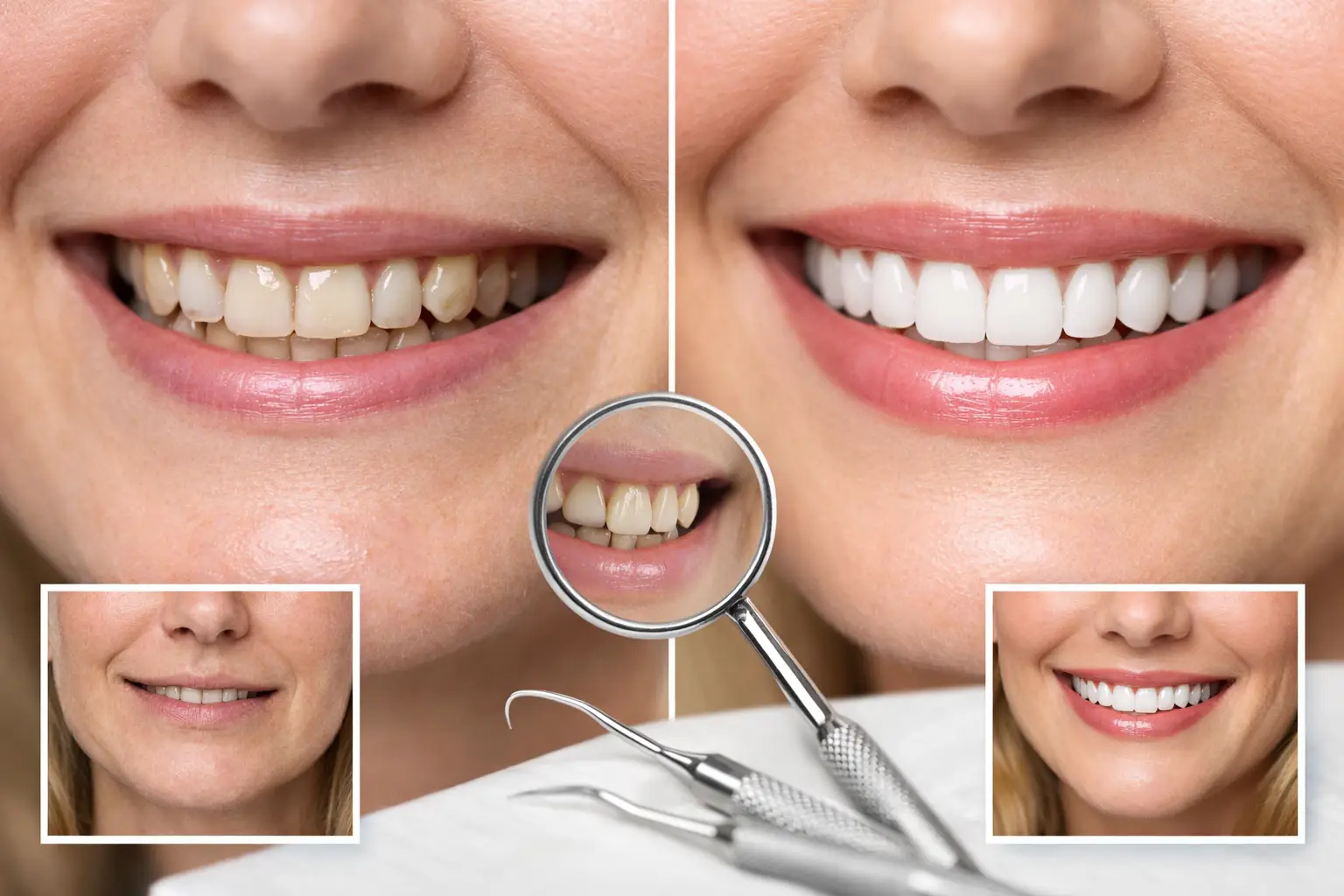

A tooth that suddenly looks longer than the teeth beside it can be unsettling. You may also notice a small notch near the gumline, new sensitivity when you drink something cold, or a smile that simply looks different in photos. This guide to gum recession explains what those changes can mean, what a dentist looks for, and how timely care can protect your comfort, teeth, and confidence.
Gum recession occurs when gum tissue pulls back or is lost around a tooth, exposing more of the tooth root. Unlike the visible enamel portion of a tooth, the root surface is not designed to handle the same daily wear. It can be more sensitive, more vulnerable to decay, and harder to keep clean if recession progresses.
What gum recession can look and feel like
Recession does not always hurt, especially in its early stages. Some people first notice that one tooth appears longer, while others notice sensitivity to cold air, sweet foods, brushing, or whitening products. You may see a change along one tooth or across several teeth.
Other possible signs include a groove or notch at the gumline, tenderness when brushing, bleeding gums, bad breath that does not improve with regular home care, or spaces developing between teeth. These symptoms do not automatically confirm gum recession, but they are good reasons to schedule an exam rather than trying to diagnose the cause yourself.
A clinical evaluation matters because gum recession is a description of what is visible, not a single diagnosis. The underlying reason determines the right treatment. Recession related to aggressive brushing needs a different approach than recession caused by gum disease or tooth movement.
Why gums recede
Gums can recede for several reasons, and more than one factor may be involved. Gum disease is a common cause. Plaque and tartar buildup can trigger inflammation and, over time, damage the tissues and bone that support the teeth. This process can be gradual, which is why regular cleanings and periodontal measurements are so valuable.
Brushing too hard can also contribute. A firm-bristled toothbrush, a heavy hand, or a side-to-side scrubbing motion can irritate gum tissue and wear away the tooth surface near the gumline. The goal is not to brush less thoroughly. It is to clean effectively with a soft-bristled brush, gentle pressure, and a technique tailored to your mouth.
Clenching and grinding may place excessive force on teeth and supporting tissues, particularly when combined with a bite that does not distribute pressure evenly. Tobacco use, oral piercings, naturally thin gum tissue, a family history of periodontal problems, and previous orthodontic movement can also affect risk. Even careful patients can develop recession, so it should never be treated as a personal failure.
A guide to gum recession: what happens at the dental visit
A comfortable, thorough dental visit starts with listening. Your dentist will ask when you first noticed the change, whether sensitivity is present, how you brush and floss, and whether you clench, grind, use tobacco, or have had orthodontic treatment.
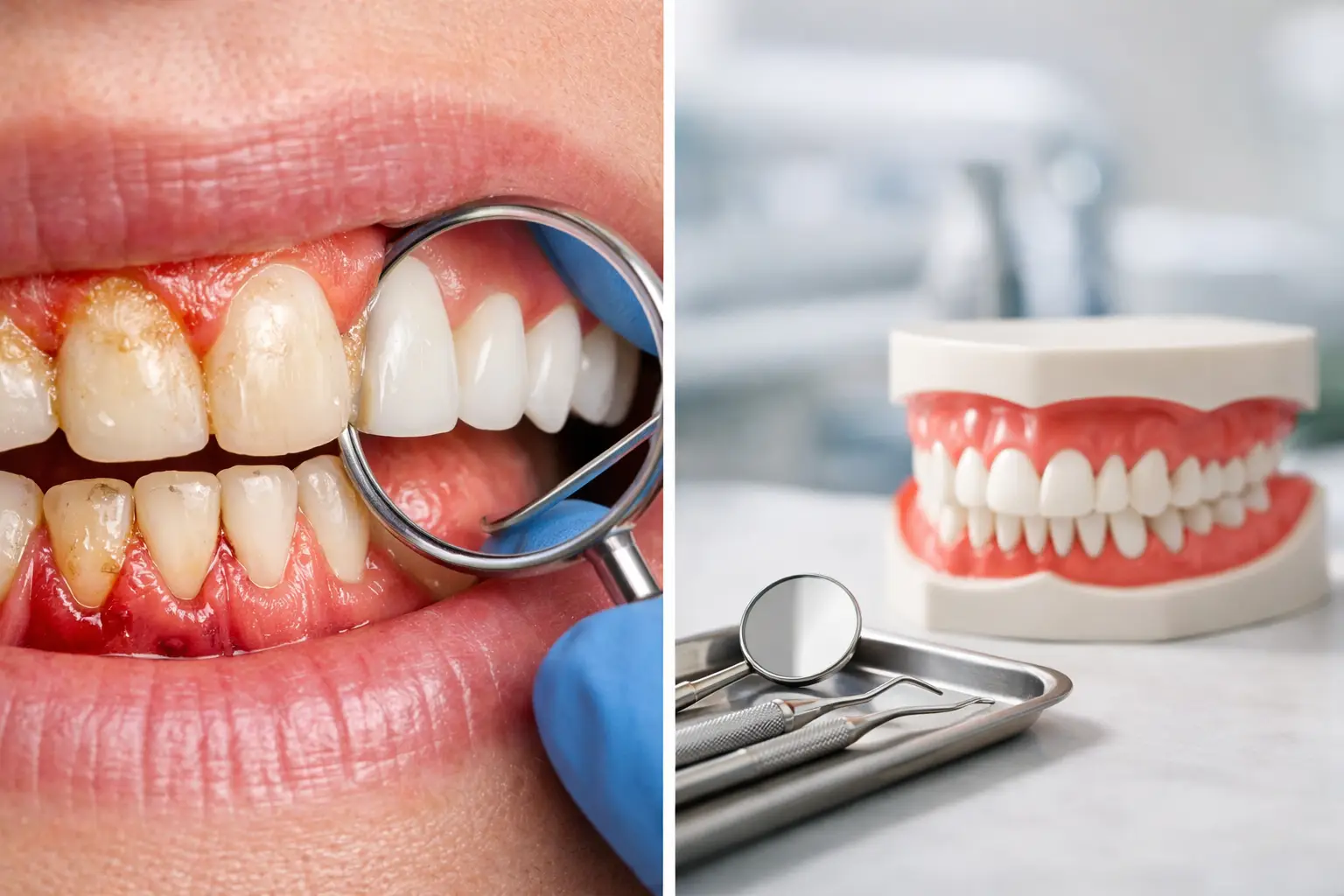
Next comes a close examination of the gums, teeth, and bite. Periodontal probing measures the space between the gum and tooth to identify inflammation or deeper pockets. Digital X-rays may be recommended to assess bone support and check for decay below the gumline. Your dentist may also look for worn tooth structure, cracks, gum tissue thickness, and signs that your bite is placing stress on certain teeth.
This process is not about finding problems to treat. It is about understanding whether the recession is stable, active, or connected to a condition that needs attention. A personalized plan should clearly explain what is happening, what can be monitored, and which options make sense for your goals and budget.
Treatment depends on the cause and severity
The first goal is usually to stop recession from worsening. For mild recession associated with brushing habits, your dentist may recommend a softer brush, a pressure-sensitive electric toothbrush, and coaching on a gentler technique. Desensitizing toothpaste, fluoride treatments, or protective bonding over an exposed root can reduce sensitivity and shield vulnerable areas.
If gum inflammation or periodontal disease is present, professional cleaning may be followed by more focused periodontal treatment. This can include deep cleaning below the gumline when clinically appropriate, along with a maintenance schedule designed to keep inflammation under control. Home care remains essential, but it cannot remove hardened tartar below the gums on its own.
When clenching or grinding is part of the problem, a custom night guard may help protect teeth from additional force. If a tooth is positioned outside the bony housing or the bite is contributing to trauma, your dental team may discuss restorative, orthodontic, or specialist options. The appropriate route depends on the whole picture, not just one exposed root.
For more pronounced recession, especially when sensitivity, root decay, or cosmetic concerns are significant, gum grafting may be considered. This periodontal procedure uses tissue to reinforce or cover an exposed area. It is not necessary for every case, and complete root coverage cannot be promised in every situation. Still, it can be an effective option for protecting vulnerable roots and improving the gumline where indicated.
What you can do at home now
Gentle, consistent care makes a meaningful difference. Brush twice daily with a soft-bristled toothbrush and fluoride toothpaste. Angle the bristles toward the gumline and use small, controlled motions rather than hard horizontal scrubbing. If you are unsure whether you are applying too much pressure, an electric toothbrush with a pressure alert can be useful.
Clean between your teeth daily with floss, interdental brushes, or another tool recommended for the size and shape of your spaces. The best option is the one you can use consistently without forcing it. If gums bleed when you clean between teeth, do not simply avoid the area. Bleeding often signals inflammation and should be discussed with your dentist.
Try to limit tobacco use, wear a prescribed night guard consistently, and keep regular preventive visits even if recession is not painful. Recession does not reverse through home remedies, and harsh whitening products or abrasive toothpastes may worsen sensitivity. A dentist can help you choose products that fit your needs without adding unnecessary irritation.
When to seek prompt care
Schedule a dental visit soon if you notice a new change in your gumline, persistent sensitivity, bleeding, swelling, loose teeth, or a bad taste in your mouth. Seek urgent assessment for severe pain, facial swelling, pus, fever, or a tooth that becomes suddenly loose. These symptoms can point to infection or another condition that should not wait.
At Yonge and Bloor Dental Care, a personalized exam can clarify whether you need a simple adjustment to your routine, periodontal care, sensitivity treatment, or a more advanced solution. Modern diagnostics and a gentle approach help make that conversation straightforward, even if dental visits have felt stressful in the past.
Your gums are part of the foundation that keeps your smile comfortable and functional. If something looks or feels different, a calm, early conversation with your dentist can turn uncertainty into a clear next step.