
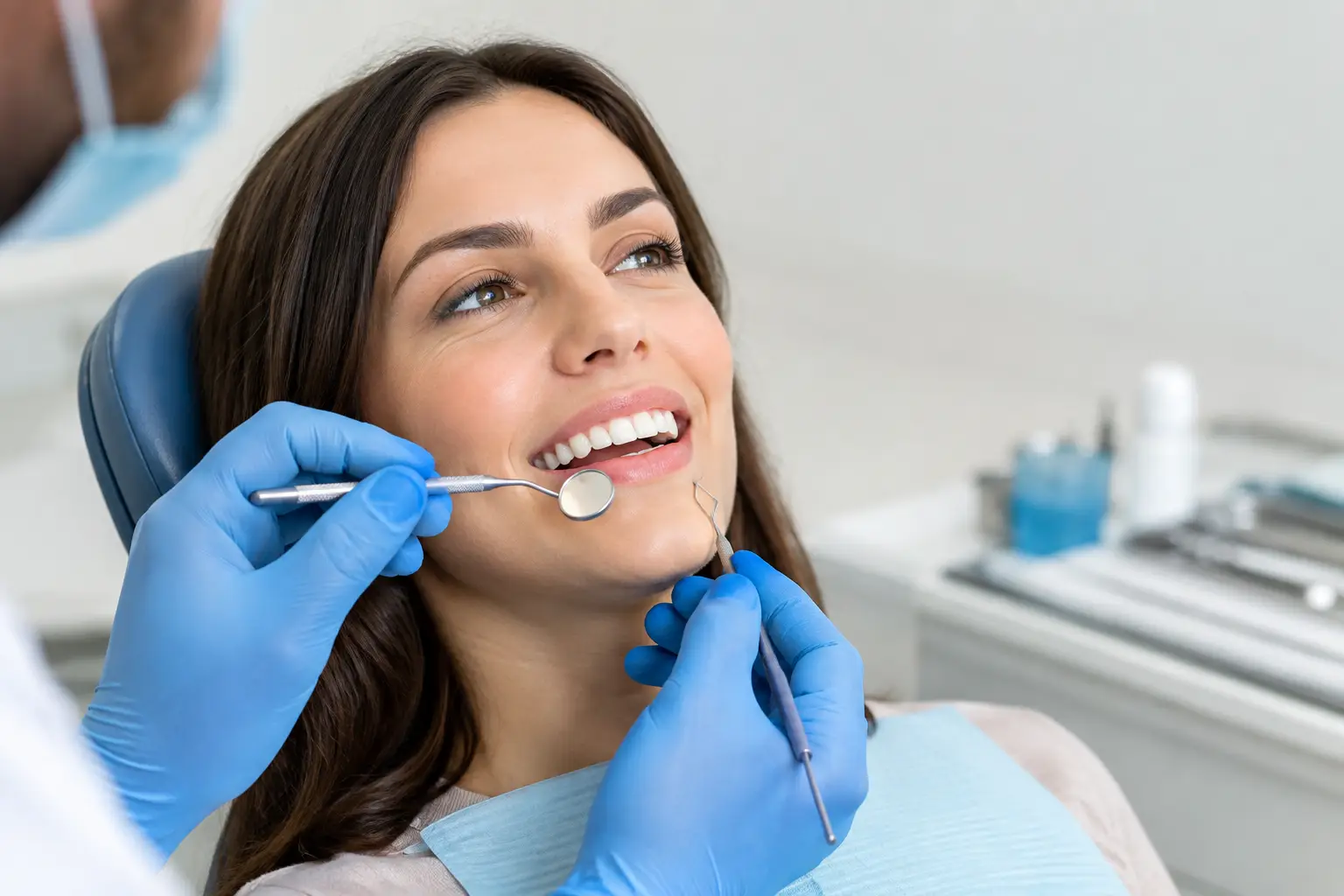
A chipped tooth can happen in a second – while biting a hard candy, taking a fall, or discovering that an old filling has weakened. Knowing how to treat chipped teeth starts with protecting the tooth and arranging a dental evaluation, even if there is no pain. A small chip may be mainly cosmetic, but a deeper break can expose sensitive tooth layers and become more complicated if it is left untreated.
How to Treat Chipped Teeth Right After It Happens
First, rinse your mouth gently with warm water to clear away any small pieces and check for bleeding. If you can find the broken fragment, place it in a clean container with milk or saline and bring it to your appointment. In some situations, the dentist may be able to use it as part of the repair.
Apply light pressure with clean gauze if the area is bleeding. A cold compress against the outside of the cheek can help limit swelling and discomfort. If the chipped edge feels sharp, cover it temporarily with dental wax or sugar-free gum so it does not cut your tongue, cheek, or lip.
Choose soft foods and chew on the other side of your mouth until the tooth is assessed. Avoid very hot, cold, sweet, or acidic foods if the tooth feels sensitive. An over-the-counter pain reliever may help when it is safe for you to take it, but do not place aspirin directly on the tooth or gums. This can irritate the soft tissues and will not repair the chip.
Do not try to file the tooth, glue a fragment back in place, or use a home repair kit as a long-term solution. Household adhesives are not safe for use in the mouth, and an uneven repair can trap bacteria or change the way your teeth meet when you bite.
When a Chipped Tooth Needs Urgent Care
A chipped tooth should be examined promptly, but certain symptoms call for same-day emergency dental care. Contact a dentist right away if the chip followed a blow to the face, the tooth is loose or visibly cracked, or you have severe or worsening pain. Ongoing bleeding, facial swelling, fever, or a bad taste in the mouth can also signal a more serious injury or infection.
A larger chip may expose dentin, the softer layer beneath enamel. This can make the tooth noticeably sensitive to air and temperature. If the dental pulp, which contains nerves and blood vessels, is affected, pain may be intense, spontaneous, or throbbing. Quick care can improve the chances of preserving the tooth and preventing infection.
If a tooth is completely knocked out rather than chipped, handle it only by the crown, not the root. Gently rinse off visible debris and seek immediate dental care. A completely displaced tooth is a different emergency and should not wait for a routine appointment.
Why the Size and Location of the Chip Matter
Not all chipped teeth need the same treatment. A tiny enamel chip on the edge of a front tooth may only need polishing or a small amount of reshaping. A break on a back tooth can be more concerning because molars absorb heavy chewing forces. Even a small fracture can worsen when the tooth continues to bear pressure.
Your dentist will look at the depth of the damage, the health of the surrounding tooth structure, and whether the chip affects your bite. Digital X-rays may be recommended when a crack, root injury, decay, or pulp involvement is suspected. This assessment matters because the most attractive repair is not always the most durable one, and the most durable repair should still blend naturally with your smile.
Dental Treatments for Chipped Teeth
For a minor chip, smoothing and polishing may be enough. The dentist carefully removes the sharp or irregular edge while preserving as much healthy enamel as possible. This is often a comfortable, conservative option when the missing area is very small.
Dental bonding is a common choice for visible front teeth. A tooth-colored composite resin is shaped directly onto the chipped area, then hardened and polished to match the surrounding enamel. Bonding can often be completed in one visit and is a practical option for patients who want a natural-looking improvement without extensive tooth preparation. The trade-off is that composite can stain or chip over time, particularly for people who bite their nails, chew ice, or grind their teeth.
A porcelain veneer may be considered when a front tooth has a larger cosmetic defect or when its shape and color need more comprehensive improvement. Veneers can create a highly natural finish and resist staining well. However, they are a more involved treatment than bonding and may require removal of a small amount of enamel. They are usually best considered after the dentist confirms that the tooth is healthy and stable.
A dental crown may be recommended when the chip is extensive, the tooth has a large existing filling, or the remaining structure is weak. A crown covers and protects the tooth, helping it withstand normal biting forces. Modern materials can be selected to balance strength with a natural appearance, especially in areas that show when you smile.
If the pulp is damaged or infected, root canal treatment may be needed before the tooth is restored with bonding or a crown. While this may sound intimidating, modern techniques and local anesthesia are designed to keep treatment comfortable. Addressing the problem early can relieve pain and allow the dentist to save the natural tooth.
Caring for Your Tooth While You Wait for Treatment
A chipped tooth is more vulnerable to additional damage, so small adjustments can make a meaningful difference. Brush gently with a soft-bristled toothbrush and use floss carefully around the tooth. Keep the area clean, but do not force floss down if it catches on a sharp edge.
Stay away from hard foods such as ice, popcorn kernels, nuts, and hard candy. It is also wise to avoid using your teeth to open packaging or hold objects. If you clench or grind at night, tell your dentist. A custom night guard may help protect a repaired tooth and the rest of your smile from repeated pressure.
If a temporary repair is placed, follow the specific eating and hygiene instructions you receive. Temporary materials are useful for protection, but they are not designed to last indefinitely. Keep your follow-up appointment so the final restoration can be completed as planned.
Chipped Teeth in Children and Teens
Children often chip front teeth during sports, playground falls, or everyday accidents. Even when a baby tooth is involved, an examination is worthwhile. The dentist can check for damage to the tooth, gums, bite, and developing permanent teeth.
For a permanent tooth, prompt care is especially valuable. Bring in any recovered fragment and explain how the injury occurred. Parents should also watch for tooth darkening, sensitivity, swelling, or changes in eating habits in the days after an injury, as these signs can appear after the initial incident.
A Comfortable Plan Starts With an Examination
A chipped tooth does not automatically mean extensive dental work. The right treatment depends on what has been damaged, how the tooth functions, and what will best support your long-term oral health. A personalized exam gives you clear options, from a simple polish to a more protective restoration, with time to discuss comfort needs, appearance goals, and insurance or payment questions.
At Yonge and Bloor Dental Care, the focus is on helping patients feel informed and at ease from the first assessment through the final repair. If a tooth feels sharp, sensitive, painful, or simply looks different after an accident, arranging care soon can protect more than your smile – it can protect the tooth you already have.