A permanent tooth on the ground after a fall, sports collision, or accident is a true dental emergency. Fast, calm action can make a meaningful difference. Knocked out tooth treatment is most successful when the tooth is handled correctly and a dentist sees you as soon as possible – ideally within 30 to 60 minutes.
The goal is not simply to stop the bleeding or manage discomfort. It is to protect the living cells on the tooth root so the tooth may be placed back into its socket and stabilized. That is why what happens in the first few minutes matters.
First, determine whether it is a baby tooth or permanent tooth
A knocked-out permanent tooth may be a candidate for replanting. A knocked-out baby tooth should generally not be put back into the socket. Replanting a primary tooth can damage the developing adult tooth beneath it.
If you are unsure which type of tooth has come out, treat the situation as urgent and contact a dental office right away. Do not force a tooth back into place if you believe it may be a baby tooth.
A permanent front tooth is the most common type of tooth to be knocked out, particularly in children, teens, and active adults. However, any permanent tooth that is completely out of its socket needs prompt professional attention.
What to do immediately after a tooth is knocked out
The person should be assessed for more serious injuries first. If there is loss of consciousness, vomiting, severe bleeding, suspected jaw fracture, trouble breathing, or a serious head injury, seek emergency medical care immediately.
If the person is otherwise stable, follow these steps:
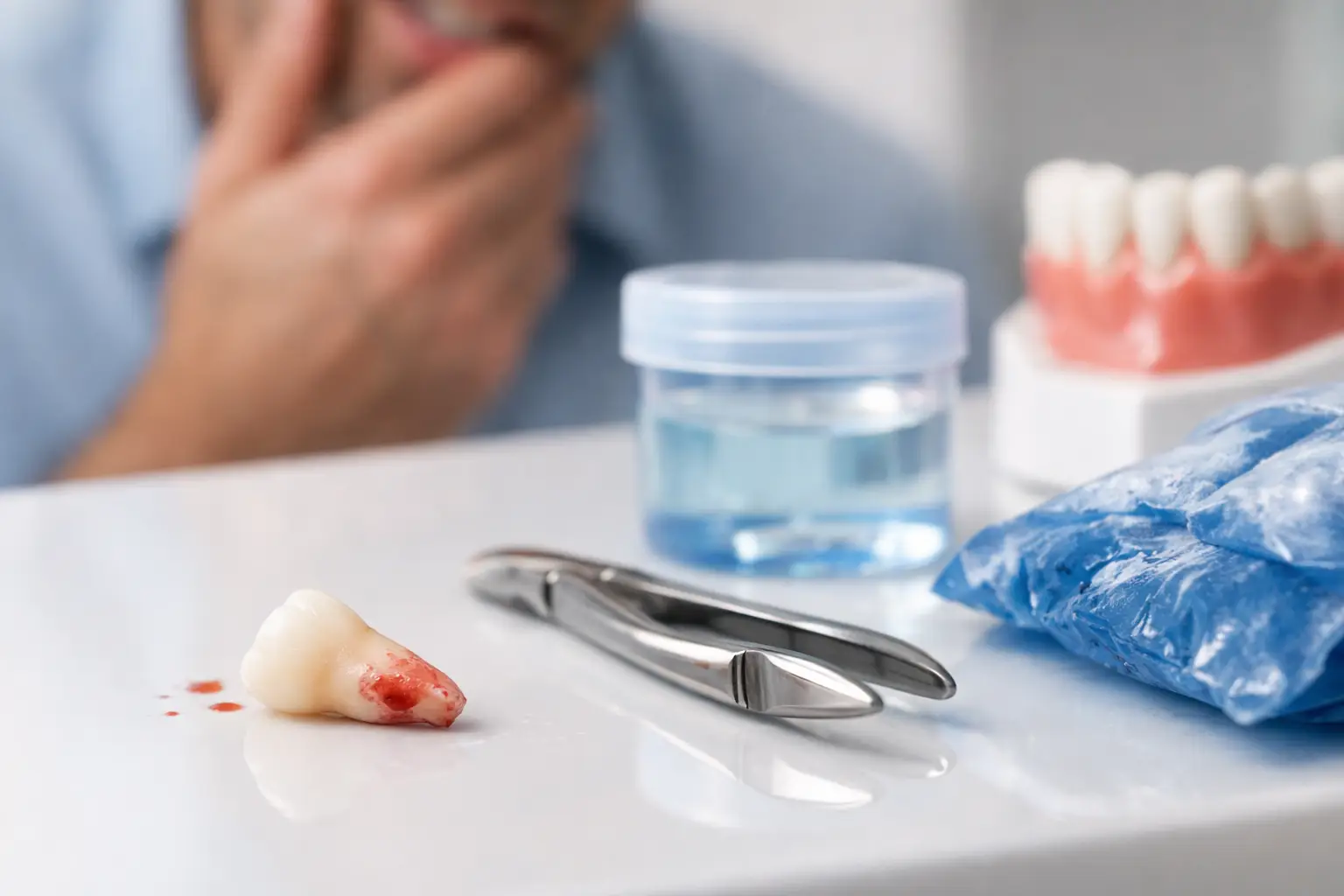
- Find the tooth and pick it up by the crown. The crown is the visible chewing portion, not the root. Avoid touching the root because its delicate surface cells are essential to successful healing.
- Rinse it gently if it is dirty. Use milk, saline solution, or a brief gentle rinse with clean water. Do not scrub the tooth, scrape it, use soap, or wrap it in tissue. Do not remove any tissue attached to the root.
- Try to place a permanent tooth back into the socket. Have the person gently bite on clean gauze or a soft cloth to keep it in position. Check that the tooth is facing the correct direction. If it does not slide in easily, do not force it.
- Keep the tooth moist if it cannot be replanted. The best practical option is often cold milk. A tooth-preservation kit, if available, is also designed for this purpose. An older child or adult who is alert can sometimes hold the tooth inside the cheek, but this is not appropriate for a young child or anyone who may swallow it.
- Call an emergency dentist and leave right away. Let the office know that a permanent tooth has been knocked out. This helps the team prepare for your arrival and provide guidance based on the injury.
Bleeding from the socket can look alarming, but it is often manageable with gentle pressure from gauze. A cold compress on the outside of the face can help reduce swelling. If pain medication is needed, follow the label instructions and consider the person’s health history. Avoid placing aspirin directly on the gums, as it can irritate the tissue.
What not to do
A few well-intended actions can lower the chances of saving the tooth. Do not let the tooth dry out. Do not store it in plain water for an extended period, and do not place it in alcohol, mouthwash, or a homemade cleaning solution.
Avoid scrubbing the root with a toothbrush or cloth. The root may look dirty, but vigorous cleaning removes the cells the dentist hopes to preserve. It is also best not to delay care while searching online for a perfect solution. Protect the tooth, contact a dental professional, and begin traveling to the office.
Why timing matters in knocked out tooth treatment
The outer root surface contains cells that help the tooth reconnect to the surrounding tissues after replanting. Once those cells dry out, the long-term outlook becomes less favorable. A tooth replanted within the first hour has the best chance of healing well, though treatment may still be worthwhile after more time has passed.
The outcome depends on more than timing. The patient’s age, the condition of the tooth and socket, how the tooth was stored, whether the root is fully developed, and the force of the original injury all matter. A dentist can evaluate these factors and explain what is realistically possible without making promises too early.
Even when a replanted tooth does not remain healthy for life, preserving it for a period of time can be valuable. It may support appearance, speech, and bone preservation while future restorative options are considered.
What your emergency dentist may do
At the appointment, the dental team will gently examine the area and take digital X-rays to assess the socket, surrounding bone, nearby teeth, and possible root fractures. If the tooth has not already been placed back in the socket, the dentist may carefully replant it.
A flexible splint is often used to attach the injured tooth to neighboring teeth for a short healing period. This holds the tooth steady while allowing a small amount of normal movement. Stitches may be needed if the gums are torn, and the dentist will check your bite to make sure the tooth is not being hit too heavily.
Depending on the injury, a root canal may be recommended later. This is common for many mature permanent teeth because the nerve inside the tooth can be damaged when it is knocked out. The timing varies, so follow-up visits are a key part of care, not an optional extra.
Your dentist may also discuss antibiotics, a tetanus update, or instructions for a soft-food diet. For the first few weeks, avoid biting directly into hard foods with the injured tooth. Keep the area clean as instructed, and attend every follow-up visit so healing can be monitored.
If the tooth cannot be saved
It is understandable to feel upset if a tooth cannot be replanted or does not heal as hoped. Modern dentistry offers effective ways to restore both function and appearance. The right option depends on your age, bite, bone support, overall oral health, and long-term goals.
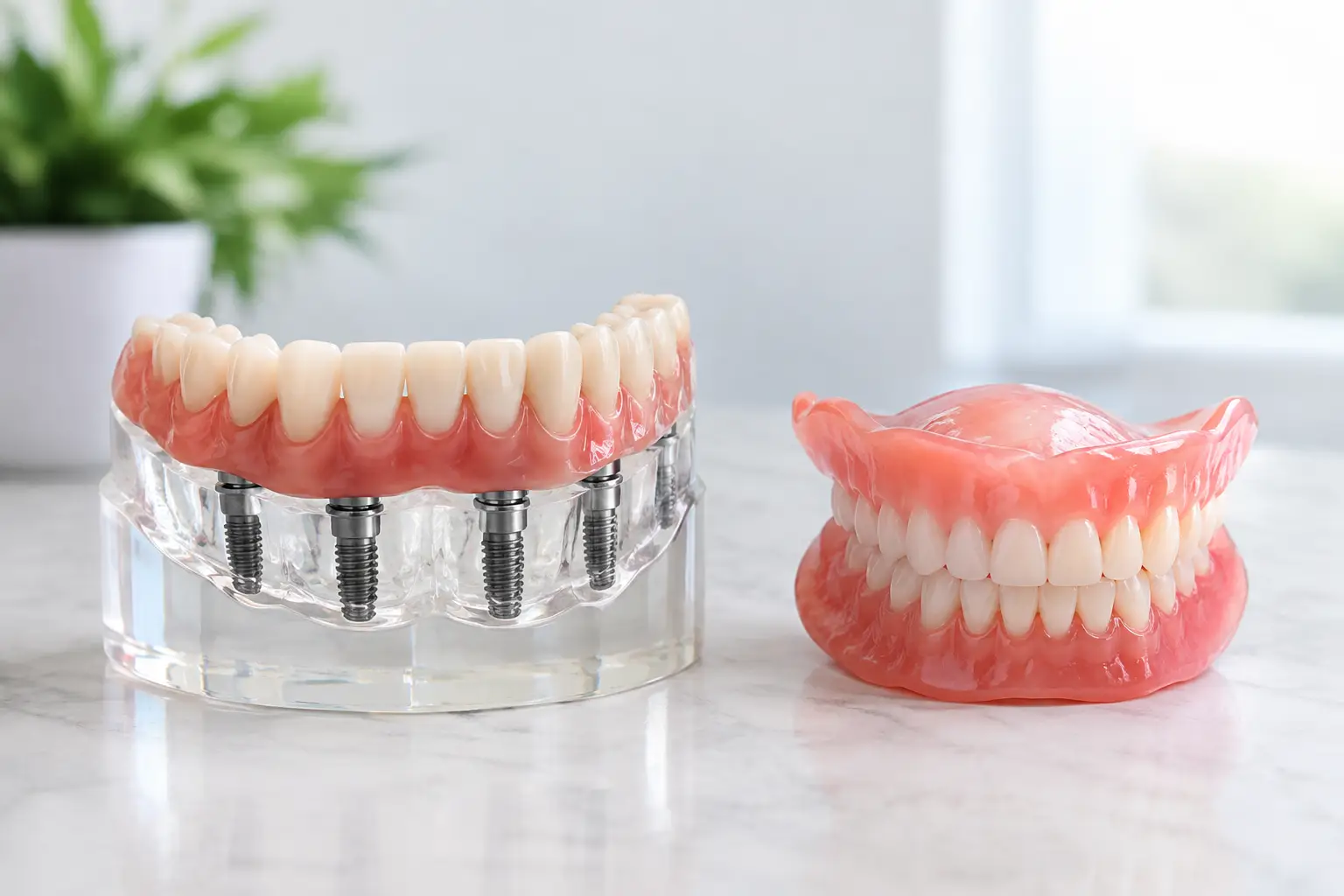
A temporary replacement may be used while the area heals. Longer-term solutions can include a dental implant, bridge, or other personalized restorative treatment. For younger patients whose jaws are still developing, a dentist may recommend a transitional option before an implant is considered later.
At Yonge and Bloor Dental Care, emergency treatment is approached with the same attention to comfort and personalized planning as routine care. The immediate priority is to manage the injury gently, protect your oral health, and give you clear next steps.
Preventing another dental injury
Not every accident is preventable, but a custom-fitted mouthguard can significantly reduce the risk of tooth injuries during contact sports, cycling, skating, and other activities with fall or collision risks. Store-bought guards can offer some protection, but a custom guard is generally more comfortable and stays in place more reliably.
If a tooth is loosened, chipped, or pushed out of position but has not fallen out, it still needs prompt assessment. These injuries can affect the tooth nerve and supporting bone even when pain seems mild. Early care gives your dentist more options to protect the tooth.
A knocked-out tooth is frightening, especially when it happens to a child or in the middle of a busy day. Focus on the next right step: handle the tooth by the crown, keep it moist, seek urgent dental care, and let a trained team guide the rest of the process.