
A missed cleaning can feel easy to explain away. A second missed appointment may bring worry about your teeth, embarrassment about the delay, and even more reluctance to return. If that cycle sounds familiar, learning to manage dental phobia starts with recognizing that fear is not a personal failure. It is a real barrier to care, and a patient-centered dental office should take it seriously.
Dental fear can be tied to a painful past experience, sensitivity to sounds or sensations, concern about gagging, a fear of needles, or simply feeling out of control in the chair. The goal is not to force yourself through an appointment. It is to create a care experience that feels predictable, respectful, and manageable.
Dental Phobia Is More Than Nervousness
Many people feel a little uneasy before a dental visit. Dental phobia is different. The fear may be intense enough to cause sleeplessness, panic symptoms, or repeated appointment cancellations. Some patients avoid care until pain, swelling, or a broken tooth leaves them no choice.
Avoidance can make future treatment more complicated, which is why an earlier, lower-pressure visit is often the kinder choice. A routine exam or cleaning may be all that is needed. If treatment is recommended, a clear plan gives you time to understand your options rather than making decisions in the middle of a dental emergency.
There is no single reason people develop dental phobia, and there is no single solution. What helps a working professional who needs a predictable lunch-hour appointment may differ from what helps someone whose fear began with a difficult childhood procedure. Good care begins with listening.
Start by Telling the Dental Team What You Need
You do not need to arrive calm or know how to explain everything perfectly. Even a simple note when booking, such as “I have significant dental anxiety,” gives the team useful information before you walk through the door.
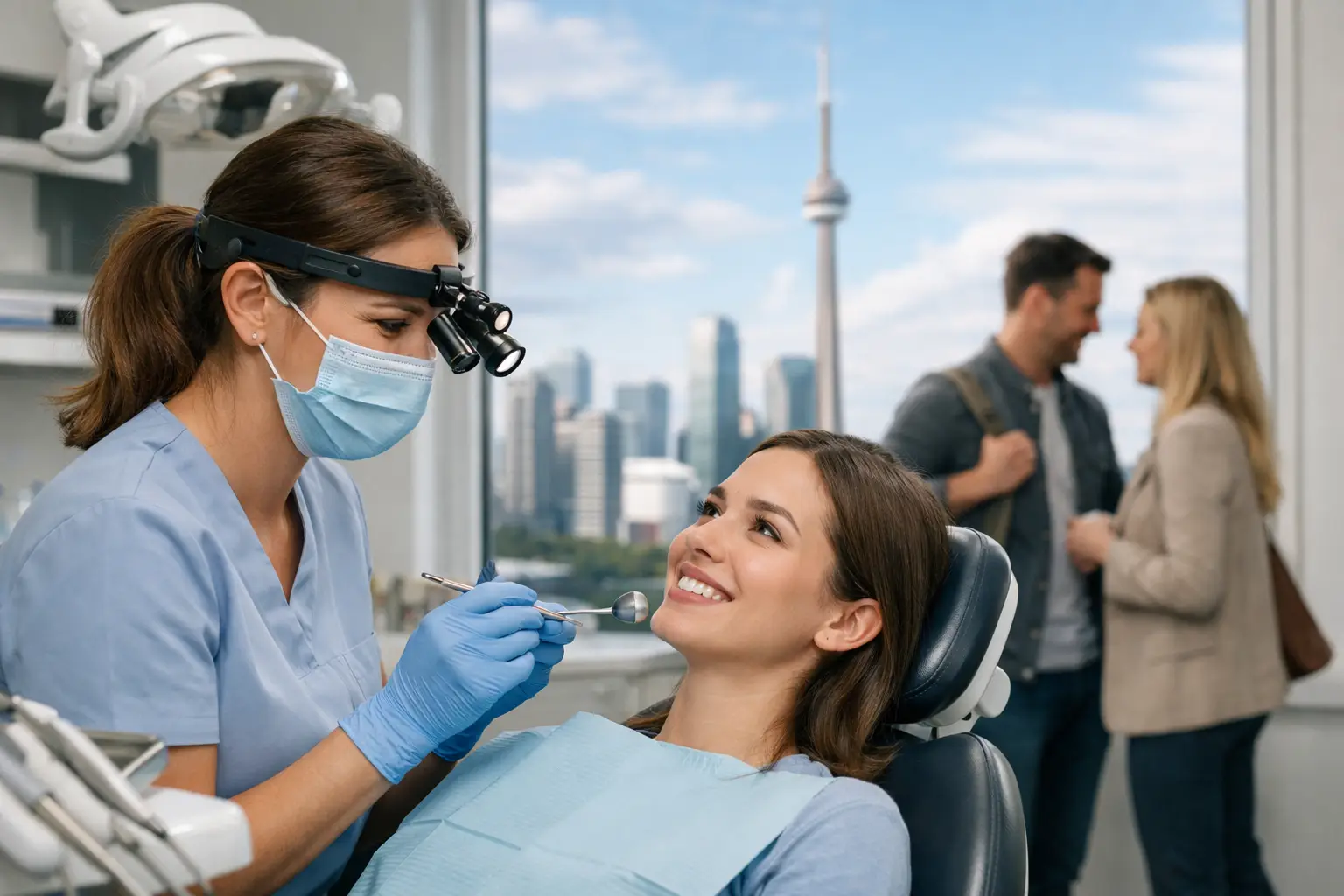
At the appointment, be specific about what worries you most. Is it the sound of the drill, the feeling of being unable to swallow, concern about pain, or a previous experience where you felt rushed? Those details allow the dentist and team to adapt the visit. They may explain each step before it happens, offer breaks, adjust your position, or arrange a shorter first appointment focused only on an exam and conversation.
It can also help to agree on a stop signal. Raising one hand is simple and effective. It tells the team you need a pause without requiring you to speak while treatment is underway. Knowing that you can stop at any point often makes the chair feel far less intimidating.
A supportive team will not shame you for delayed care, a strong gag reflex, or needing extra reassurance. Their role is to help you move forward from where you are now.
Build a Plan to Manage Dental Phobia Before Your Visit
Fear tends to grow in uncertainty. A few small choices made before the appointment can give you more control over the experience.
Consider scheduling at a time when you are not already under pressure. Some people prefer an early appointment, before they have spent all day anticipating it. Others feel more comfortable later in the day, after work or classes are finished. The best time is the one that leaves room to arrive without rushing.
Ask what the first visit will involve and how long it is expected to take. If a full cleaning feels like too much, it may be appropriate to begin with a consultation, exam, and digital imaging, then schedule treatment separately. This can be especially helpful after a long gap in dental care.
On the day of your visit, bring headphones if music helps you relax. Wear comfortable clothing, and avoid arriving overly caffeinated if caffeine makes your anxiety worse. Slow breathing can help too: breathe in gently through your nose, then make the exhale slightly longer than the inhale. This will not erase fear, but it can reduce the physical intensity of a stress response.
If you take medication for anxiety, discuss it with your dentist and prescribing clinician before the appointment. Do not change your normal medication routine or take a sedative on your own in preparation for dental care.
Ask for Comfort-Focused Treatment, Not Just Faster Treatment
For an anxious patient, a fast appointment is not always the same as a comfortable one. It is reasonable to ask how the dental team approaches numbing, sensitivity, and communication during treatment.
Modern dentistry offers tools that can make care more precise and less stressful. Digital imaging can reduce guesswork in diagnosis and help your dentist explain what they see. Intraoral images may also help you understand a cracked filling, gum inflammation, or decay without relying on confusing terminology. When you understand the reason for a recommendation, treatment often feels less frightening.
Comfort also comes from pacing. For a longer procedure, your dentist may recommend planned breaks. During a cleaning, they can check in before moving to a sensitive area. For restorative care, they can confirm that you are fully numb before beginning. You should never feel that you have to endure pain to finish an appointment.
That said, some treatment cannot be delayed indefinitely without increasing the risk of infection, tooth damage, or more extensive care later. Your dentist can explain what needs prompt attention and what can safely be staged over several visits. A personalized plan balances clinical needs with what you can realistically handle.
When Sedation Dentistry May Help
For some patients, reassurance and a slower pace are enough. For others, sedation dentistry may be a helpful part of the plan to manage dental phobia. Options can range from nitrous oxide, commonly called laughing gas, to oral sedation or other approaches depending on the procedure, your health history, and the dental office’s recommendations.
Sedation is not a shortcut around communication or consent. You should still understand the proposed treatment, expected benefits, possible risks, and aftercare requirements before proceeding. Your dentist will review your medical history, current medications, and any conditions that could affect whether sedation is appropriate.
There are practical trade-offs to consider. Some sedation options may require a responsible adult to take you home, and you may need to set aside the rest of the day rather than returning to work. Nitrous oxide can wear off more quickly for many patients, while other forms of sedation may have longer effects. The right option depends on your level of anxiety, the type and length of treatment, and your individual health needs.
If sedation is not necessary, that is still a positive outcome. A calm appointment built on trust can make future visits easier over time.
If You Have Avoided the Dentist for Years
The first step back does not need to be a major procedure. Request a judgment-free consultation and let the team know you would like to begin gradually. The initial focus can be understanding your oral health, addressing urgent concerns, and setting priorities together.
You may need treatment, but avoid assuming the worst before an exam. Dental problems vary widely. Some concerns can be addressed with preventive care or a small restoration, while others may need more involved treatment such as periodontal care, a root canal, or a crown. Clear digital records and a personalized treatment plan can help you see the path ahead one step at a time.
Financial uncertainty can intensify dental anxiety as well. Ask for an explanation of estimated costs, insurance coordination, and available payment information before beginning recommended treatment. Knowing what to expect clinically and financially can replace a vague sense of dread with practical decisions.
Helping a Family Member With Dental Fear
If you are supporting a partner, parent, or child with dental fear, resist the urge to minimize it. Phrases such as “It will be fine” can feel dismissive when someone is genuinely scared. Instead, ask what would help them feel more in control.
For children, avoid using dental visits as a threat or sharing frightening stories from your own past. For adults, offer practical support, such as helping them schedule a consultation, accompanying them to the office if permitted, or being available after a sedation appointment. Encouragement works best when it respects the person’s pace.
Dental fear does not have to determine the future of your oral health. At Yonge and Bloor Dental Care, a conversation about comfort can be the beginning of care that feels calmer, clearer, and more within your control.