A tooth can feel perfectly fine while a cavity is forming between teeth, gum inflammation is progressing below the gumline, or an old filling is beginning to leak. That is why preventive dentistry is not simply about getting a cleaning when it is convenient. It is a practical, personalized way to catch small concerns early, protect the work already in your mouth, and keep dental care more comfortable and manageable over time.
For busy professionals, students, parents, and seniors, preventive care creates a reliable routine around oral health. Instead of waiting for pain, a broken tooth, or an urgent infection to force an appointment, you have a dental team tracking changes and helping you make informed choices before problems become more involved.
What preventive dentistry includes
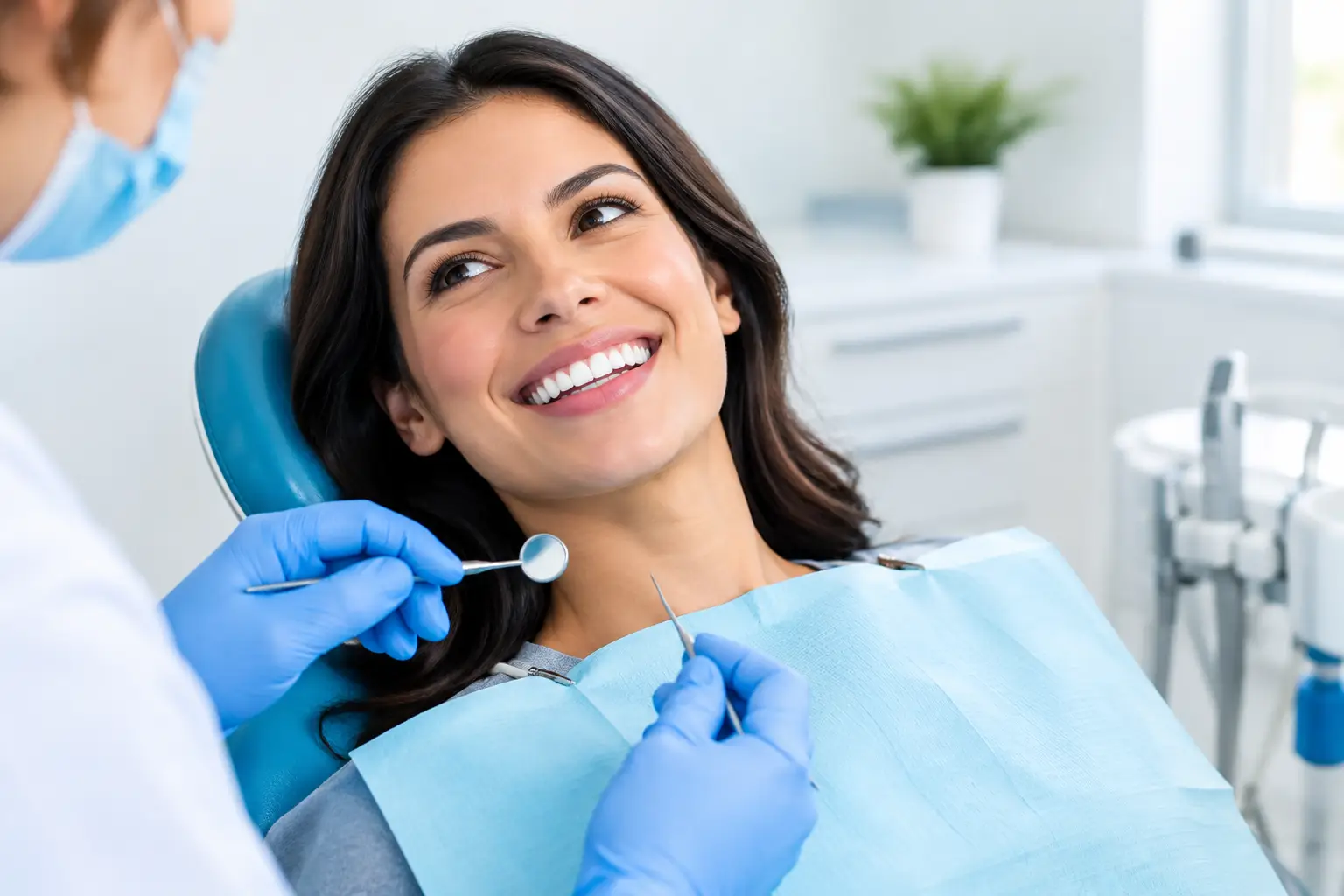
Preventive care begins with regular dental examinations and professional cleanings, but it extends beyond either service. At each visit, your dental team evaluates your teeth, gums, bite, existing restorations, and the tissues of the mouth. When appropriate, digital X-rays and other diagnostic technology can reveal concerns that cannot be seen during a visual exam alone, such as decay between teeth, infection near a tooth root, or changes beneath an older crown or filling.
A professional cleaning removes hardened buildup that cannot be brushed away at home. This buildup, often called tartar, can collect around and below the gumline and contribute to gum disease. Cleanings also give your hygienist an opportunity to identify the areas you may be missing with your toothbrush or floss and offer practical advice without judgment.
Preventive appointments may also include fluoride treatment, sealants for patients who may benefit from added protection, oral cancer screening, and monitoring for teeth grinding or jaw strain. The right approach depends on your age, health history, home-care habits, medications, diet, and current oral health. There is no one-size-fits-all schedule or treatment plan.
Why small dental problems deserve early attention
Many dental conditions develop quietly. Early tooth decay may not hurt. Gum disease can begin with bleeding while brushing and progress without dramatic symptoms. A tiny crack can worsen gradually until a tooth fractures during an ordinary meal. By the time discomfort becomes impossible to ignore, treatment may require more time and expense than it would have earlier.
Preventive dentistry changes that pattern. Finding a small cavity may mean a conservative filling rather than a root canal and crown. Identifying gum inflammation early may allow it to improve with a thorough cleaning and better daily care, rather than requiring more intensive periodontal treatment. Monitoring a worn filling or crown can help your dentist recommend replacement before it fails unexpectedly.
Early care is not about creating unnecessary treatment. It is about giving you clear information, showing you what is happening, and explaining the options before urgency limits your choices. A patient-centered dental office should make room for questions, priorities, and concerns about comfort and cost.
How often should you have a dental exam and cleaning?
For many patients, a checkup and cleaning every six months is a useful starting point. However, the best interval depends on your needs. Someone with healthy gums and a low risk of cavities may need a different schedule than someone with a history of gum disease, frequent decay, dry mouth, diabetes, pregnancy-related gum changes, or extensive restorative work.
More frequent cleanings are sometimes recommended for patients managing periodontal disease because plaque can re-form quickly in deeper gum pockets. Patients with dental implants, bridges, or crowns also benefit from regular monitoring. These restorations are designed to last, but the gums and natural tooth structure around them still require care.
If you have avoided appointments because of dental anxiety, it is especially helpful to start with a conversation rather than waiting for an emergency. Gentle care, clear explanations, and a comfort-focused pace can make routine visits feel far more manageable. Preventive care works best when it is something you can maintain, not something you dread.
Your daily routine matters between visits
No professional cleaning can replace daily plaque control at home. Brushing twice a day with fluoride toothpaste and cleaning between teeth once daily are the foundation. The tools can vary: traditional floss, floss picks, interdental brushes, or a water flosser may be appropriate depending on the spacing of your teeth, the presence of braces, implants, or bridges, and your ability to use each option consistently.
Technique matters as much as the tool. Brushing should be gentle and thorough, with attention paid to the gumline, back teeth, and the inside surfaces that are easy to rush. Brushing aggressively does not clean better and can contribute to gum recession or tooth sensitivity over time. A soft-bristled brush and a light touch are usually best.
Food and drink choices also shape cavity risk. Frequent sipping on sweetened coffee, juice, soda, sports drinks, or acidic beverages exposes teeth repeatedly throughout the day. The issue is often frequency, not just quantity. Enjoying a beverage with a meal, drinking water afterward, and avoiding prolonged sipping can be more protective than many people realize.
Dry mouth deserves attention as well. It can be caused by medications, medical conditions, mouth breathing, or dehydration, and it raises the risk of decay because saliva helps protect teeth. If your mouth often feels dry, mention it at your appointment. Simple adjustments and targeted preventive recommendations can make a meaningful difference.
Prevention protects more than natural teeth
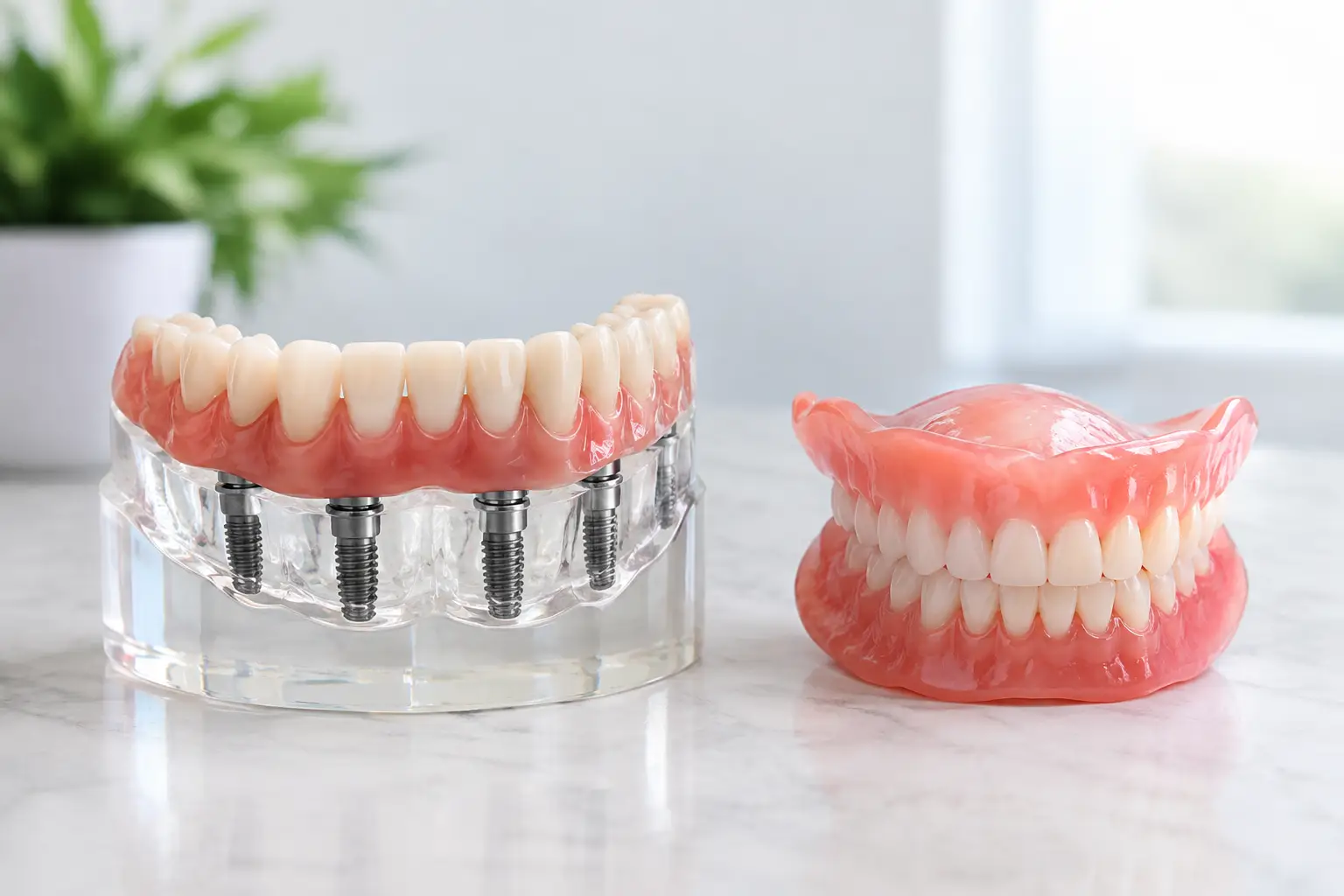
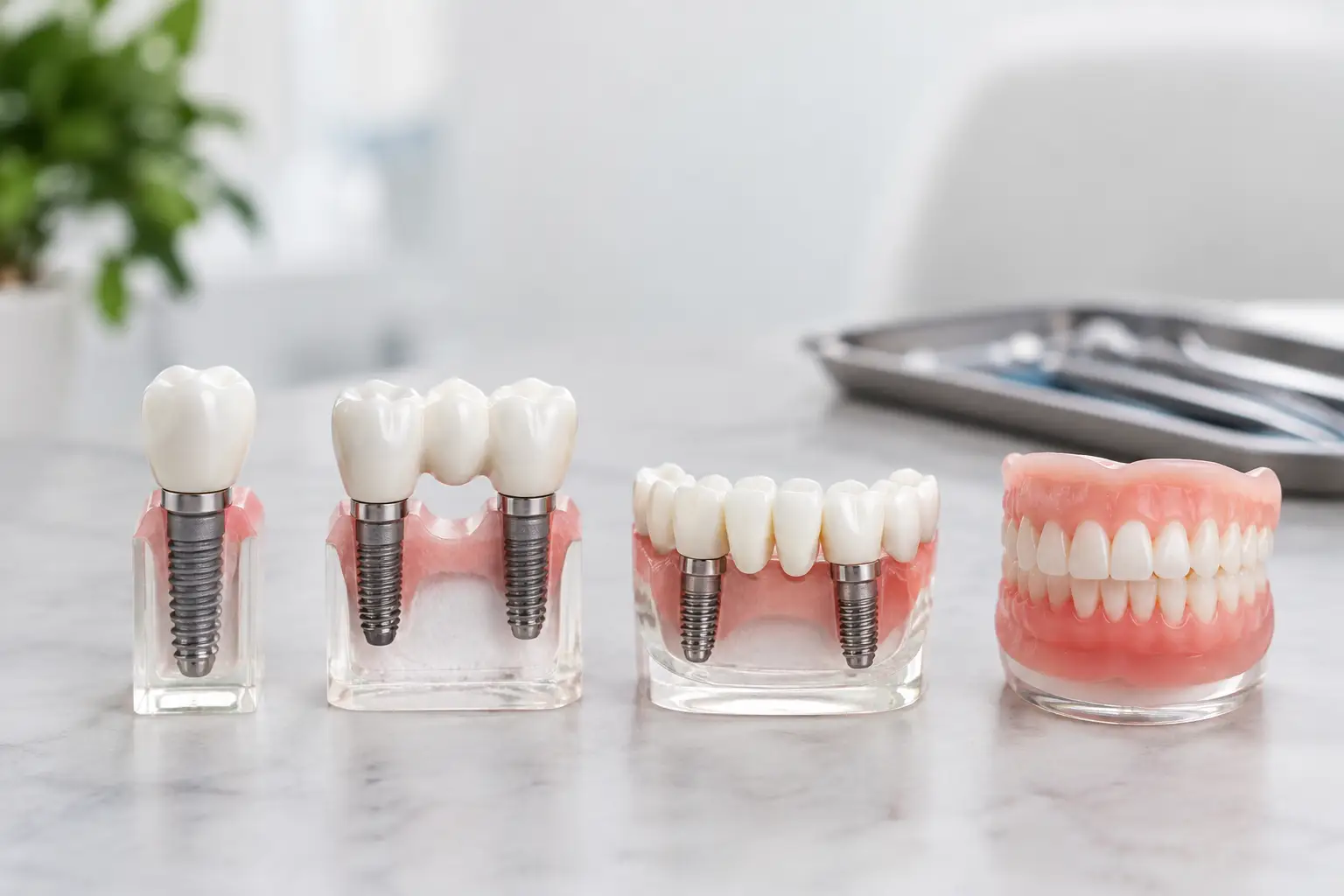
If you have had fillings, crowns, veneers, dental implants, a bridge, or a root canal, preventive visits remain essential. Restorative and cosmetic dentistry can improve comfort, function, and confidence, but long-lasting results depend on maintaining the surrounding teeth and gums.
For example, a crown protects a treated tooth, yet decay can still develop at its edges if plaque collects there. Dental implants do not get cavities, but the gum and bone around them can become inflamed without consistent care. Cosmetic treatments also benefit from regular cleanings and guidance on habits such as clenching, grinding, smoking, or using teeth to open packages.
This is where personalized care matters. A person with a single filling has different maintenance needs from someone with multiple implants or a history of advanced gum disease. Your dental plan should reflect what is actually in your mouth and what will help you preserve it.
When you should not wait for your next checkup
Preventive visits reduce the chance of surprises, but they do not eliminate the need for prompt care when something changes. Contact a dental office sooner if you have persistent tooth sensitivity, pain when biting, swollen or bleeding gums, a loose crown, a chipped or broken tooth, a mouth sore that does not heal, or sudden jaw discomfort.
A dental emergency may include severe tooth pain, facial swelling, uncontrolled bleeding, a knocked-out tooth, or signs of infection. In these situations, quick assessment can protect your health and may improve the chance of saving the tooth. Do not assume the problem will settle on its own simply because the pain comes and goes.
Making preventive care fit real life
The best dental routine is one you can keep. That may mean booking appointments around work or school, choosing a clinic that offers direct insurance billing, asking about available coverage, or planning care in stages when more treatment is needed. If finances are a concern, bring that up early. A good treatment discussion includes clinical priorities as well as practical options.
At Yonge and Bloor Dental Care, preventive appointments are designed to feel personal rather than rushed. Modern diagnostic tools, gentle treatment, and clear communication help patients understand their oral health and make decisions with confidence.
Your next cleaning is not just a task to cross off a list. It is a chance to protect your comfort, preserve your smile, and address small changes while they are still simple to manage.