
A toothache that wakes you at 2 a.m., a crown that comes loose before a presentation, or a chipped front tooth on the way to work can make the rest of the day feel impossible. A same day emergency dentist Toronto patients can access offers more than a quick appointment. The goal is to relieve pain, assess the cause, protect your oral health, and give you a clear path forward without added uncertainty.
At Yonge and Bloor Dental Care, urgent visits are approached with the same attention and personalized planning as routine care. Whether the issue is sudden, severe, or simply too uncomfortable to wait on, a prompt assessment can often prevent a smaller dental concern from becoming a more complex treatment.
What Counts as a Dental Emergency?
Not every dental problem requires treatment within hours, but it can be hard to tell the difference when you are in pain. In general, an emergency is any issue involving significant discomfort, bleeding, swelling, infection, trauma, or a damaged tooth that needs to be protected quickly.
Severe or persistent tooth pain is one of the clearest reasons to call. Pain may come from deep decay, a cracked tooth, an abscess, gum infection, or an irritated dental nerve. It may feel sharp when you bite, throb on its own, or worsen with hot and cold foods. Pain medication may temporarily take the edge off, but it does not resolve the cause.
A broken, fractured, or knocked-out tooth also needs prompt care. The sooner a dentist can examine the tooth, the better the chance of preserving its structure or, in some cases, saving it altogether. Lost fillings, loose crowns, broken bridges, and damaged dentures may not always cause severe pain, but they can expose sensitive areas, interfere with eating, and make further damage more likely.
Swelling of the gums, face, or jaw should never be ignored, especially when it occurs with pain, fever, a bad taste, or drainage. These symptoms can signal an infection that needs professional treatment. If swelling is affecting your breathing or swallowing, or if you have severe facial swelling, seek emergency medical care immediately.
When a Same Day Emergency Dentist in Toronto Is the Right Choice
A same-day appointment is often appropriate when waiting a few days could increase your pain, compromise the tooth, or allow an infection to spread. Downtown schedules can make it tempting to push through discomfort until a more convenient time. But dental conditions rarely improve because they are postponed.
You should contact a dental office as soon as possible for severe pain, a cracked or broken tooth, a tooth that has been knocked loose or out, uncontrolled bleeding after an extraction, swelling, or signs of infection. A sudden problem with a restoration is also worth a call, particularly if a sharp edge is cutting your tongue or cheek, the tooth beneath it is sensitive, or you cannot bite normally.
There are situations that may be urgent but not necessarily an emergency. Mild sensitivity, a small chip with no pain, or a lost filling that does not expose a painful area may be manageable with a near-term appointment. Still, it is better to let the dental team help you decide. A brief description of your symptoms can determine whether you should be seen immediately, scheduled soon, or directed to medical emergency care.
What to Do Before Your Emergency Visit
The right steps at home can improve comfort and help protect the affected tooth, but they should not replace an examination. Rinse gently with warm water to clear away food or debris. If there is swelling, place a cold compress against the outside of the cheek in short intervals. Avoid placing aspirin directly on a tooth or gums, as it can irritate soft tissue.
For a lost tooth, handle it by the crown, which is the visible chewing surface, rather than the root. If it is dirty, rinse it gently without scrubbing. If possible, place it back in the socket. If that is not possible, keep it moist in milk or saliva and seek care immediately. Time matters considerably with a knocked-out permanent tooth.
If a crown, filling, veneer, or piece of a tooth has come off, save it and bring it with you. Avoid chewing on that side of your mouth. Over-the-counter pain medication may be appropriate for many adults when used as directed, but personal health conditions and other medications can affect what is safe for you. When in doubt, ask your pharmacist or healthcare provider.
It also helps to avoid extreme temperatures and hard or sticky foods until you are evaluated. A cracked tooth can worsen with repeated pressure, and a numb or painful area is easy to accidentally injure while eating.
What Happens During an Emergency Dental Appointment?
An emergency appointment begins with listening. Your dentist will ask when the problem began, what makes it worse, whether you have experienced swelling or fever, and whether there was an injury. This information, along with an examination and digital imaging when needed, helps identify the source of the problem rather than simply masking symptoms.
Comfort is a priority, particularly when you are already anxious or in pain. Gentle techniques and local anesthetic can make urgent treatment more manageable. For patients with dental anxiety, discussing comfort options before treatment begins can make a meaningful difference.
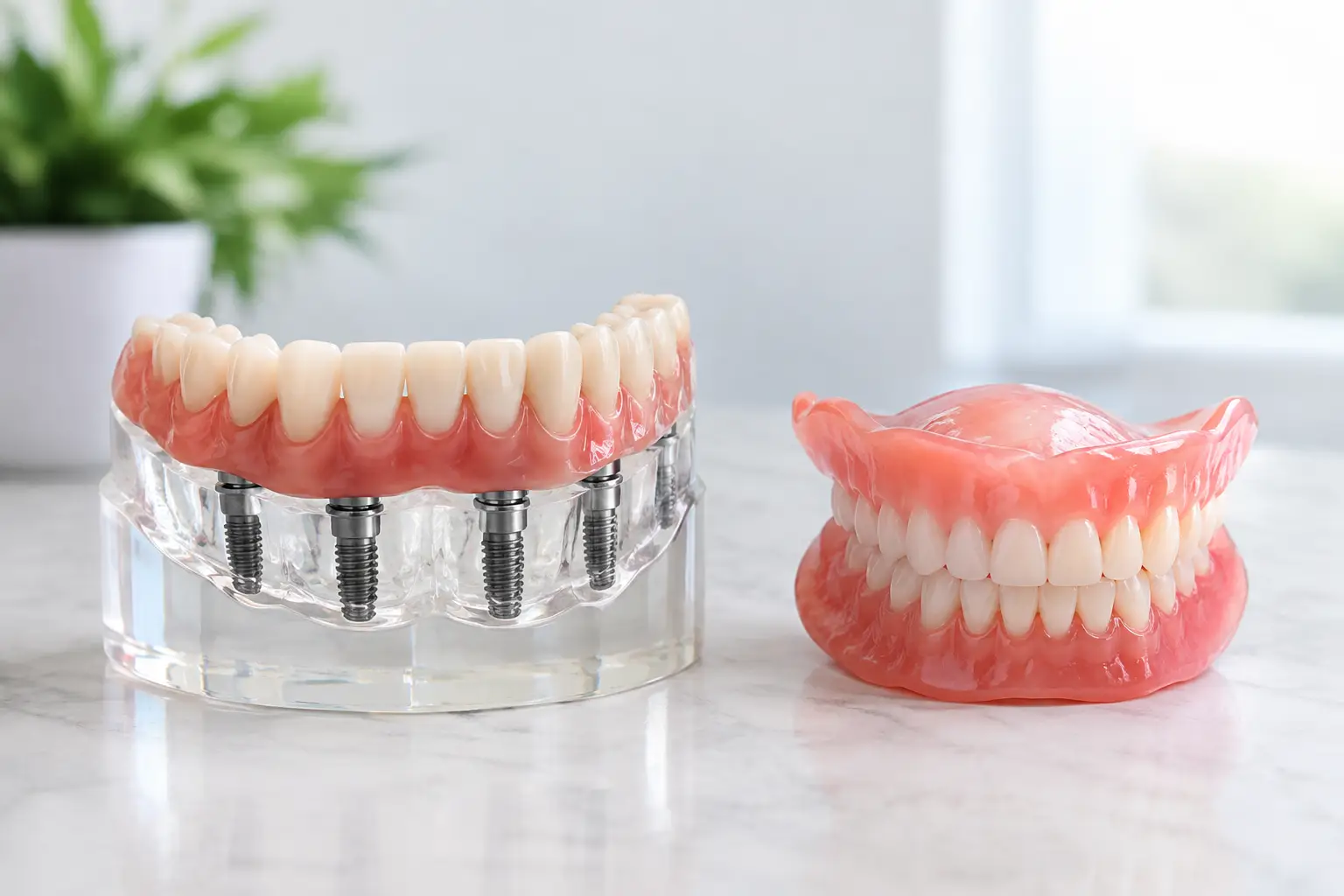
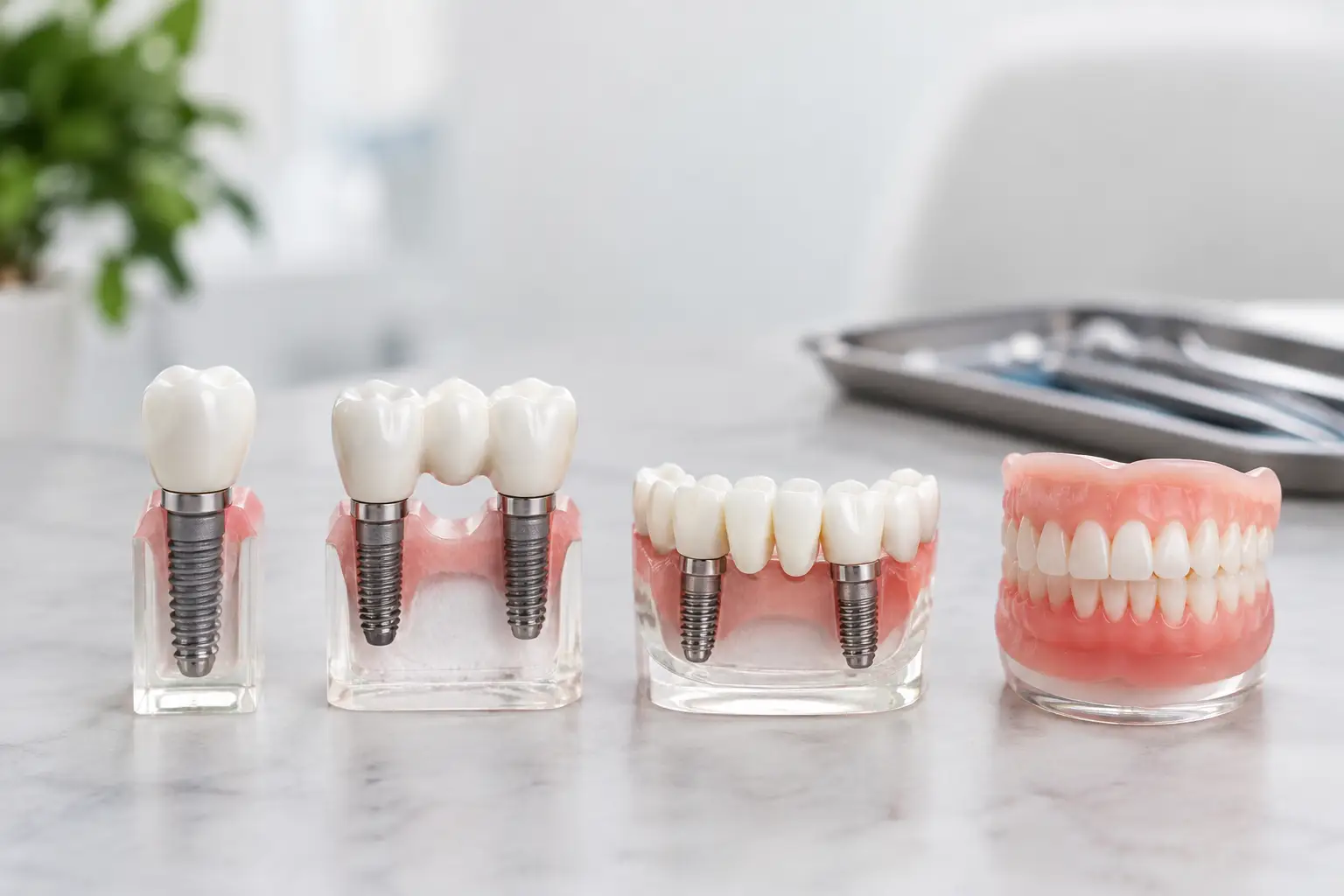
The first visit may focus on stabilizing the condition. For example, this could involve treating an infection, placing a temporary restoration, smoothing a sharp broken edge, re-cementing a crown, draining an abscess when clinically appropriate, or beginning root canal treatment to address a painful infected tooth. If a tooth cannot be predictably restored, extraction may be recommended, followed by a conversation about replacement options such as a dental implant or bridge.
The best treatment depends on the tooth, the extent of damage, your overall health, and your longer-term goals. A temporary solution can be the right first step in an urgent situation, but it should come with a plan for definitive treatment. Clear explanations matter because knowing what happens next can reduce much of the stress that accompanies a dental emergency.
Why Fast Care Can Protect More Than Your Smile
Prompt treatment is not only about getting through the day with less pain. Early care can preserve natural tooth structure, reduce the likelihood of infection spreading, and sometimes prevent the need for more extensive restorative treatment. A small crack may be protected with a restoration before it reaches the nerve. A deep cavity may be treated before it becomes an infection requiring root canal therapy.
That said, speed should not mean rushed decision-making. A quality emergency visit balances immediate relief with sound diagnosis. Advanced diagnostic technology can help the dentist see concerns that are not obvious during a visual examination, while personalized treatment planning keeps the recommendation connected to your needs, priorities, and budget.
For Toronto professionals, students, parents, and seniors, convenience matters too. A practice that can coordinate urgent care, follow-up treatment, preventive visits, and restorative options in one place reduces the burden of navigating multiple providers. Direct insurance billing and access to the Canadian Dental Care Plan, where applicable, can also help make necessary care feel more manageable.
Don’t Wait for Pain to Become the Decision-Maker
Dental emergencies are disruptive, but they do not need to leave you guessing about what to do next. Call when you notice severe pain, swelling, trauma, bleeding, or damage to a tooth or restoration. Describe your symptoms clearly, follow any instructions you are given, and bring any broken dental pieces with you if possible.
Even after the immediate issue is resolved, keep the follow-up appointment. That visit is where temporary relief becomes lasting protection for your smile. If something feels wrong in your mouth, acting early gives you more treatment options, more comfort, and more confidence about the road ahead.