A temporary crown is designed to protect a prepared tooth while your permanent crown is being made. It is not meant to feel indestructible, and a little extra care can make the time between appointments far more comfortable. If you are wondering how to care for a temporary crown, focus on three things: keeping it clean, avoiding pressure that can loosen it, and knowing when to call your dental office.
Temporary crowns are usually secured with a temporary cement so your dentist can remove them easily at your next visit. That makes them practical, but also more vulnerable to sticky foods, hard bites, and aggressive flossing. With a few sensible adjustments, most patients do very well.
What to expect after receiving a temporary crown
Your tooth and gums may feel mildly tender for a day or two, especially if the tooth was prepared for a crown after a large filling, fracture, or root canal. The temporary crown may also feel slightly different from your natural tooth. It should not feel painfully high when you bite, sharply rough, or loose.
Some sensitivity to cold, heat, or pressure can happen because the tooth has been recently treated. Choose lukewarm foods and drinks if temperature sensitivity is bothersome. An over-the-counter pain reliever may help when taken as directed, unless your physician has advised against it.
If your bite feels uneven or you cannot comfortably close your teeth together, contact your dentist. A small bite adjustment can prevent unnecessary discomfort and reduce the chance of damaging the temporary crown or the tooth underneath it.
How to care for a temporary crown at meals
The easiest way to protect a temporary crown is to chew on the opposite side of your mouth whenever possible. This is especially helpful during the first 24 hours, when the temporary cement is setting and the surrounding tissues may still be sensitive.
Choose softer foods for the first day, such as eggs, yogurt, pasta, soup that has cooled to a safe temperature, cooked vegetables, fish, or tender chicken. You do not need to eat an overly restricted diet for the entire time you have the crown, but thoughtful choices help.
Avoid foods that are hard, sticky, or chewy. Ice, hard candy, popcorn kernels, nuts, brittle crackers, and crusty bread can crack or dislodge a temporary. Caramels, taffy, gum, gummy candy, and chewy granola bars are common reasons temporary crowns come loose because they can pull on the restoration.
Be cautious when eating foods that require a strong front-tooth bite, such as whole apples, corn on the cob, or firm sandwiches. Cut food into smaller pieces instead. If your temporary crown is on a front tooth, this small change is particularly worthwhile.
Keep your temporary crown and gums clean
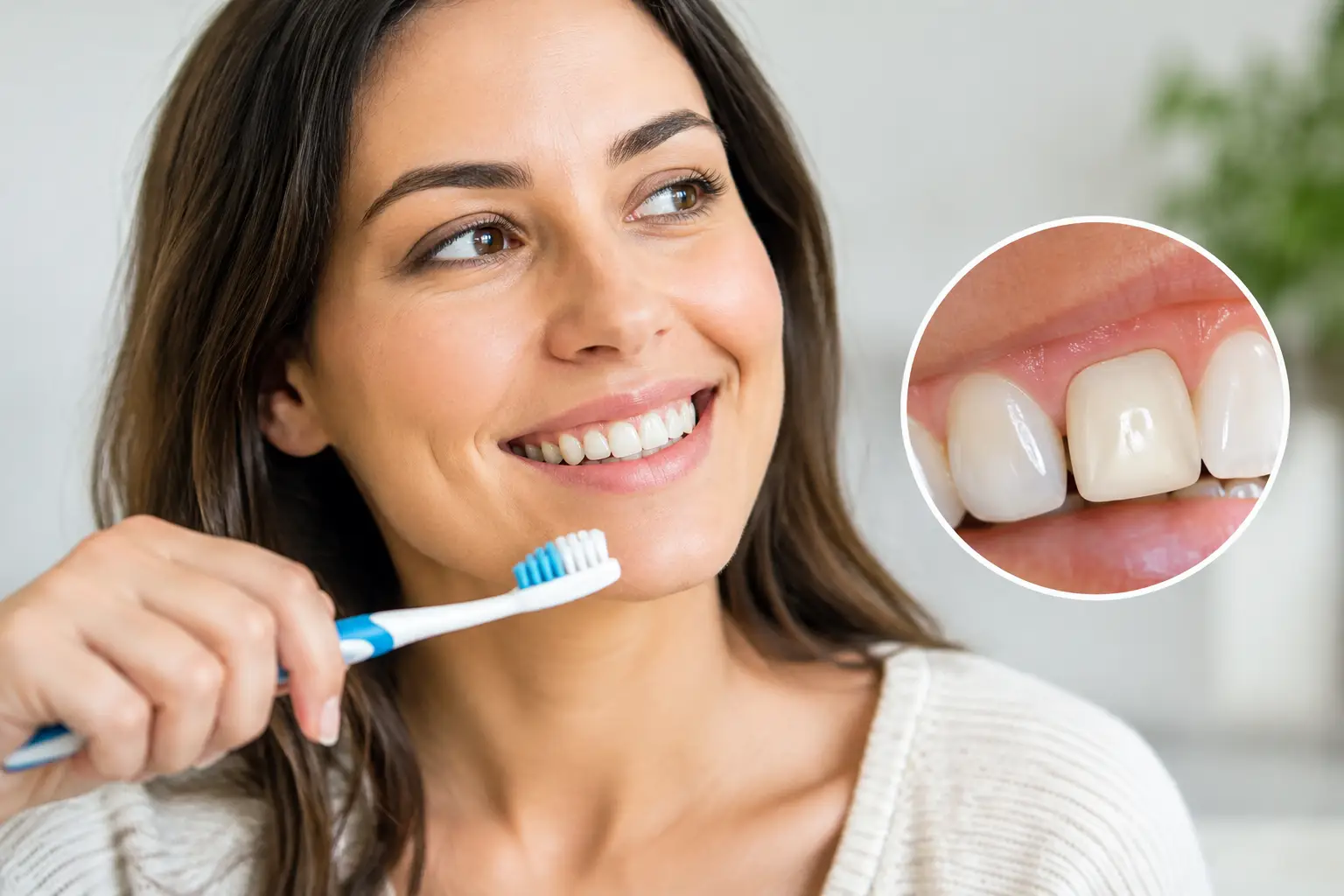
A temporary crown still needs regular brushing. Brush twice a day with a soft-bristled toothbrush and fluoride toothpaste, using gentle pressure at the gumline. Plaque can collect around the edges of the crown just as it can around a natural tooth, leading to gum irritation, odor, or sensitivity.
Flossing is also important, but technique matters. Slide the floss gently between the teeth, then pull it out through the side rather than lifting it straight back up. Pulling floss upward can catch the temporary crown and loosen it. If the contact between teeth feels too tight to floss comfortably, do not force it. Let your dental team know at your next visit, or sooner if food repeatedly gets trapped.
An alcohol-free mouth rinse can be a comfortable addition to your routine, particularly if the gums are tender. Rinsing with warm salt water may also soothe irritated gum tissue. Mix about half a teaspoon of salt into a cup of warm water, swish gently, and spit it out.
Be mindful of habits that can crack or loosen it
Temporary crowns are not built for habits like nail biting, chewing pens, opening packages with your teeth, or crunching ice. Even if the crown feels secure, these forces can chip the material, loosen the cement, or fracture the underlying tooth.
If you clench or grind your teeth, tell your dentist. Some people notice this habit more during stressful workdays or while sleeping. A temporary crown may be more likely to wear, crack, or come loose under repeated pressure. Your dentist can advise whether a night guard is appropriate during this stage of treatment.
It is also wise to avoid testing the crown with your tongue or fingers. It is natural to notice something new in your mouth, but repeatedly pushing on the temporary can weaken the seal.
What to do if a temporary crown comes off
A loose or missing temporary crown is usually not a reason to panic, but it does need timely attention. The tooth underneath may be sensitive and more exposed to food, bacteria, and temperature changes. Call your dental office as soon as you can so the team can advise you and arrange a visit if needed.
If the crown comes off, save it in a clean container and bring it with you. Do not use household glue, super glue, or adhesive intended for repairs. These products are not safe for use in the mouth and can make professional recementing more difficult.
Until you are seen, keep the area clean and chew on the other side. If the crown fits back over the tooth easily, your dentist may provide specific instructions about a temporary dental cement available from a pharmacy. Only use this approach if your dental office recommends it. Never force a crown into place, especially if it does not seat fully or your bite feels wrong.
If you accidentally swallow the temporary crown, contact your dentist for guidance. In most cases it passes without difficulty, but your dentist still needs to know so the exposed tooth can be protected.
When discomfort needs prompt dental attention
Mild tenderness can be expected. Worsening pain is not something to simply wait out. Contact your dentist promptly if you have severe or throbbing pain, swelling in the gum or face, fever, a bad taste that does not go away, or sensitivity that becomes intense rather than gradually improving.
You should also call if the temporary crown feels loose, broken, rough enough to cut your tongue or cheek, or too high when you bite. These concerns are often straightforward to correct, and addressing them early can help protect the final result.
For people with dental anxiety, an unexpected issue with a temporary crown can feel especially stressful. A patient-centered office should explain what is happening, offer clear options, and help you get comfortable before treatment begins. At Yonge and Bloor Dental Care, that thoughtful approach is part of helping patients feel cared for from the temporary restoration through placement of the final crown.
Make the final crown appointment a priority
Your temporary crown is a short-term solution, not a replacement for the final restoration. Keep your permanent crown appointment whenever possible. The final crown is designed for a precise fit, long-term function, and a natural appearance that is personalized to your smile.
If a scheduling conflict arises, call your dental office rather than delaying without a plan. The longer a temporary stays in place, the greater the chance of wear, leakage, shifting teeth, or a problem with the underlying tooth.
Treat your temporary crown as a protective bridge to a stronger, more lasting result. Gentle brushing, careful flossing, smarter food choices, and a quick call when something feels off can keep your treatment moving forward comfortably.