
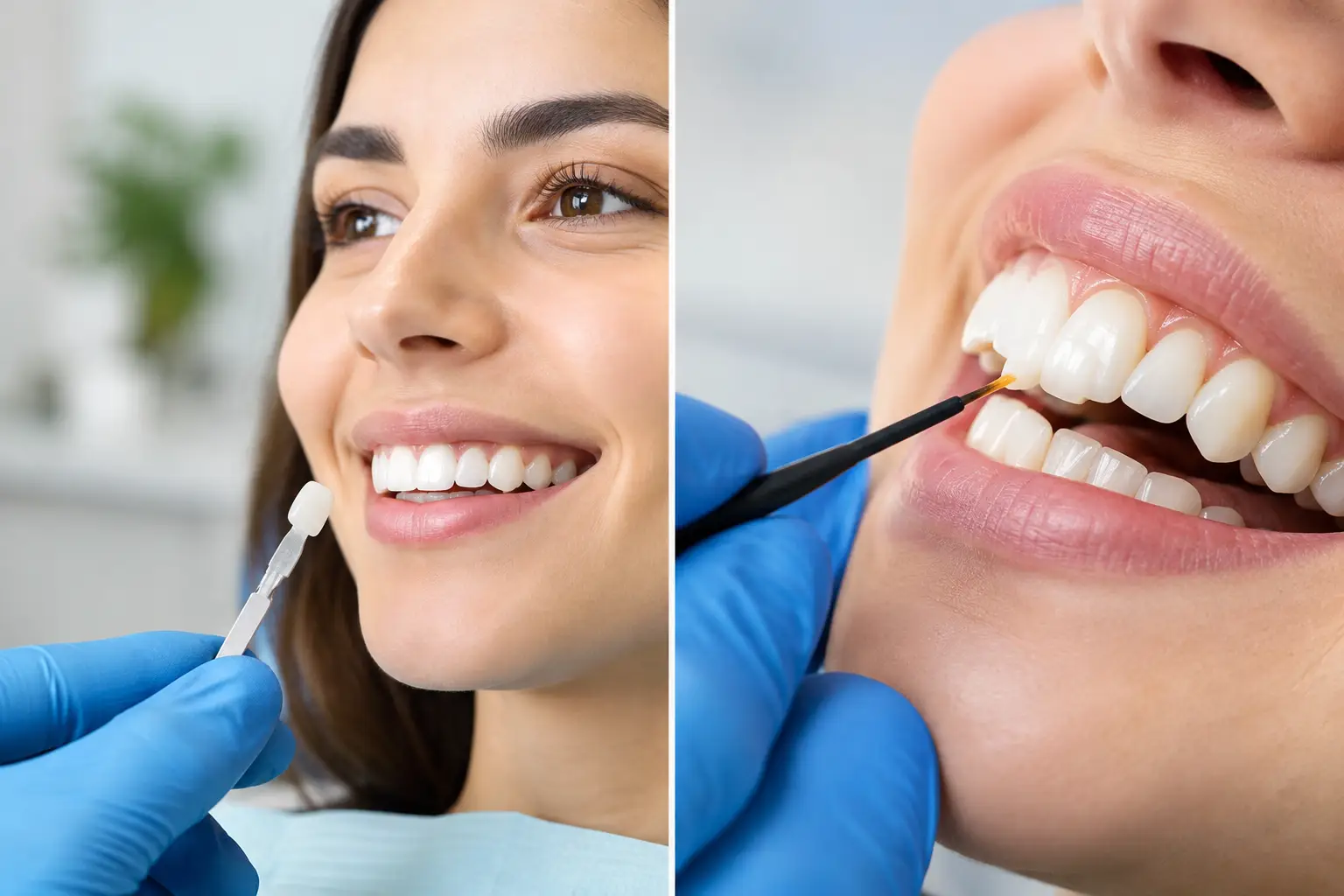
A small chip in a front tooth can feel far more noticeable than it looks to anyone else. The same is true of a gap, worn edges, stubborn discoloration, or teeth that look slightly uneven in photos. When patients compare veneers versus bonding, they are usually asking a practical question: what will improve my smile while protecting as much healthy tooth structure as possible?
Both treatments can create a meaningful cosmetic change, often in just a few appointments. They are not interchangeable, though. The right choice depends on the condition of your teeth, the changes you want to see, your bite, your timeline, and how you want to care for your new smile over time.
Veneers versus bonding: the core difference
Dental bonding uses a tooth-colored composite resin. Your dentist applies the material directly to the tooth, shapes it carefully, hardens it with a curing light, and polishes it to blend with surrounding enamel. It is often used to repair chips, close small gaps, reshape a tooth, or soften minor irregularities.
Veneers are thin, custom-made shells, most often created from porcelain, that cover the visible front surface of a tooth. Because they are designed in a dental lab or with advanced digital workflows, veneers can change color, shape, proportion, and surface texture with a high degree of precision. They are commonly chosen when several front teeth need a more comprehensive cosmetic update.
The distinction matters because bonding is usually a more conservative, direct treatment, while veneers are a more planned and durable restoration. Neither is automatically better. A single chipped tooth may be an excellent candidate for bonding, while several worn, discolored, or misshapen front teeth may be better served by veneers.
When dental bonding may be the better choice
Bonding is often a practical first option for a localized concern. If one tooth has a small chip, a slightly uneven edge, or a narrow space beside it, composite resin can make the correction without changing the rest of the smile. Treatment can frequently be completed in one visit, which is helpful for busy professionals, students, or anyone preparing for an upcoming event.
Because bonding generally requires little to no removal of enamel, it can be a conservative choice for patients who want to preserve their natural tooth structure. It is also easier to adjust or repair if a small area chips later. For younger adults whose smiles and dental needs may continue to change, that flexibility can be valuable.
Bonding does have limits. Composite can pick up stains over time, particularly with frequent coffee, tea, red wine, or tobacco use. It may also wear or chip sooner than porcelain, especially for people who bite their nails, chew ice, or clench and grind their teeth. A polished repair can often restore the appearance, but bonding may need maintenance or replacement sooner than veneers.
When veneers may be worth considering
Veneers are often recommended when the desired change is broader or more lasting. They can improve teeth that are deeply stained and do not respond well to whitening, as well as teeth with uneven shapes, visible wear, small gaps, or older bonding that no longer matches the smile.
Porcelain reflects light in a way that can look very close to natural enamel. It is also more stain-resistant than composite resin, which helps it maintain its color with normal care. With good oral hygiene, regular dental visits, and protection from excessive biting forces, porcelain veneers can provide a long-lasting cosmetic result.
The trade-off is preparation. Traditional veneers commonly require your dentist to remove a thin amount of enamel so the restoration can fit naturally rather than look bulky. Once enamel has been prepared for a veneer, that tooth will generally need to remain restored in the future. Some patients may be candidates for minimal-prep options, but these are not appropriate for every smile. Teeth that already project forward, for example, may need careful preparation to achieve a balanced result.
A thoughtful veneer plan should never be based on one standard shape or shade. At Yonge and Bloor Dental Care, digital smile design can help patients visualize the relationship between their teeth, facial features, and smile line before moving forward with a more extensive cosmetic treatment.
Appearance: subtle repair or a more complete change?
Bonding can look very natural when it is placed with skill and used for the right purpose. It is especially effective for small corrections because the dentist can match the resin to the color and translucency of the neighboring enamel. However, composite may not produce the same level of surface texture, brightness, or long-term color stability as porcelain when multiple teeth are being changed.
Veneers offer more control over the full appearance of the smile. A dentist can customize their length, width, shape, shade, and translucency. This can be useful when teeth appear short from wear, when several teeth have different shapes, or when a patient wants a more uniform result without making the smile look artificial.
Natural-looking cosmetic dentistry is not about making every tooth identical or choosing the brightest possible shade. It is about creating proportion and harmony. The best treatment plan respects your facial features, lip movement, bite, and the color of your natural teeth.
Durability, maintenance, and your bite
Porcelain veneers are generally more resistant to staining and wear than composite bonding. Many last for a decade or longer, although their lifespan varies with oral hygiene, bite forces, diet, and regular professional care. Veneers can still chip or fracture if exposed to enough pressure, so they are not indestructible.
Bonding may last several years before it needs polishing, repair, or replacement. A small bonded edge can be simple to touch up, while larger bonded areas may need more frequent attention. For some patients, that trade-off is perfectly reasonable because the initial treatment is more conservative.
Your bite is a central part of the decision. If you clench or grind your teeth, your dentist may recommend a custom night guard to protect veneers, bonding, or natural enamel. If a tooth has active decay, gum inflammation, a crack, or an unstable filling, those health concerns should be addressed before cosmetic work begins. A beautiful result needs a healthy foundation.
Cost and insurance considerations
Bonding usually has a lower upfront cost than veneers because it requires less laboratory work and can often be completed in one appointment. Veneers are typically a larger investment due to their custom design, materials, planning, and placement.
Cosmetic treatment is often not covered by dental insurance. There can be exceptions when a procedure restores a tooth damaged by trauma or decay, but coverage depends on the plan and the reason for treatment. Asking for a clear estimate before care begins can make the financial side feel more manageable. A personalized consultation can also help determine whether treating one or two teeth with bonding, rather than several teeth with veneers, will meet your goals.
Questions that lead to the right decision
Before choosing between veneers and bonding, consider what bothers you most when you smile. Is it one chip or a more widespread issue? Are you hoping for a subtle correction or a noticeable transformation? Would you prefer the most conservative approach, even if it may need maintenance sooner?
Your dentist should also evaluate the health of your gums, the thickness and condition of your enamel, your bite, and any signs of grinding. Photos, digital imaging, and a conversation about your expectations can turn a broad cosmetic idea into a treatment plan that feels specific and comfortable.
A confident smile does not require choosing the biggest treatment. Sometimes a careful bonding repair is all that is needed. Other times, veneers offer the predictability and polish that a more comprehensive change deserves. The most helpful next step is a calm, personalized conversation with a dentist who can show you what each option would mean for your own teeth.